Yemen’s electricity sector collapses under heatwave as aid fails to stabilise grid
Temperatures exceeding 40C and prolonged blackouts are exacerbating a humanitarian crisis, with residents in Aden, Mukalla, and Hodeidah reporting uninhabitable conditions and soaring costs.
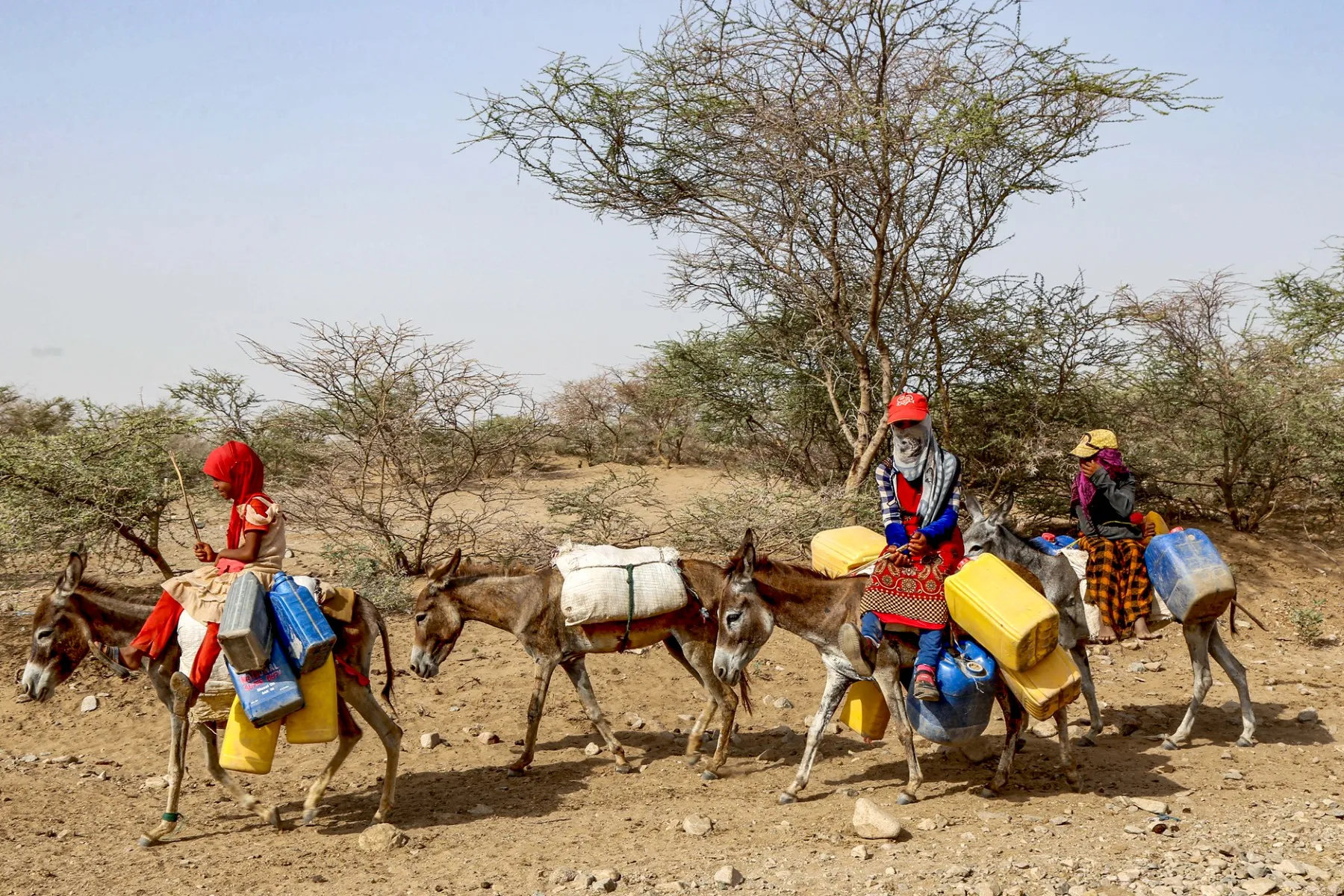
Millions of people in Yemen are enduring extreme heat above 40C (104F) compounded by prolonged power outages, worsening the humanitarian crisis in the war-torn nation. Residents in government-controlled cities such as Aden and Mukalla report homes becoming uninhabitable, businesses suffering losses, and health issues arising from lack of cooling. The electricity sector, devastated by over a decade of conflict, struggles with ageing infrastructure and maintenance delays. Although Saudi Arabia provided financial packages for fuel earlier this year, supplies have deteriorated as temperatures rose. In Houthi-controlled areas, residents face similar blackouts, relying on solar power while dealing with Israeli air attacks on infrastructure and sharply increased electricity bills.
The collapse of public services has reignited fears of unrest in a country still recovering from more than a decade of conflict. In Aden, residents describe their homes as ovens, with electricity available for only a few hours a day. Saddam Al-Jamlani, a resident of Aden, told Al Jazeera that power was cut for eight hours and restored for only two, noting that the situation remained unchanged during the Eid holiday. The lack of respite from heat and humidity has led to sleep deprivation and aggravated health problems, with many residents unable to escape the sweltering conditions.
Yemen’s newly appointed electricity minister, Adnan al-Kaf, cited ageing infrastructure, maintenance delays, high costs from private suppliers, and weak revenue collection as causes for the collapse in services. He told state television in April that the situation was disastrous and that residents should not expect a cool summer. The minister also pointed to delays in the arrival of critical spare parts and an inflated payroll as contributing factors to the sector's inability to meet demand.
Despite international intervention, the electricity situation has not improved significantly. Earlier this year, shortly after Yemeni forces backed by a Saudi-led coalition pushed the UAE-supported Southern Transitional Council out of several southern provinces, Riyadh announced an $81.2m financial package to buy fuel for power stations. This intervention helped keep many stations running during cooler months, but supplies deteriorated as summer temperatures rose. On May 27, Saudi Arabia announced a second support package worth $150m to buy fuel derivatives for government-controlled areas, though residents report no noticeable improvement.
In Houthi-controlled areas, residents face similar blackouts, relying on solar power while dealing with Israeli air attacks on infrastructure and sharply increased electricity bills. In Hodeidah, residents expressed outrage after receiving sharply higher electricity bills despite heavy reliance on solar power. Ali Omar, a resident of Hodeidah, posted a video complaining that his electricity bill had jumped from less than 3,000 riyals to 19,000 riyals, questioning how the calculation was made given his limited grid usage. The combination of infrastructure damage and rising costs has left many households without reliable power during the intense summer heat.
Businesses in both government-controlled and Houthi-held areas are struggling to cope with the power outages. In Mukalla, auto repair shops have suspended operations due to frequent equipment shutdowns, while fish sellers are spending significant amounts on ice to preserve their stock. Salah Mohammed, a resident of Mukalla, said he and his wife sleep less than five hours a day and suffer from skin conditions they blame on prolonged power cuts. The economic strain is further compounded by the disparity in the Yemeni riyal's value, which trades at about 533 to the US dollar in Houthi-controlled areas compared to about 1,500 to the dollar in government-controlled areas.
The ongoing crisis highlights the fragility of Yemen’s infrastructure and the limitations of external aid in addressing systemic failures. As temperatures continue to rise, the lack of reliable electricity poses a severe threat to public health and economic stability. The government’s inability to provide basic services, coupled with the humanitarian toll of the heatwave, underscores the deepening governance challenges facing the nation.