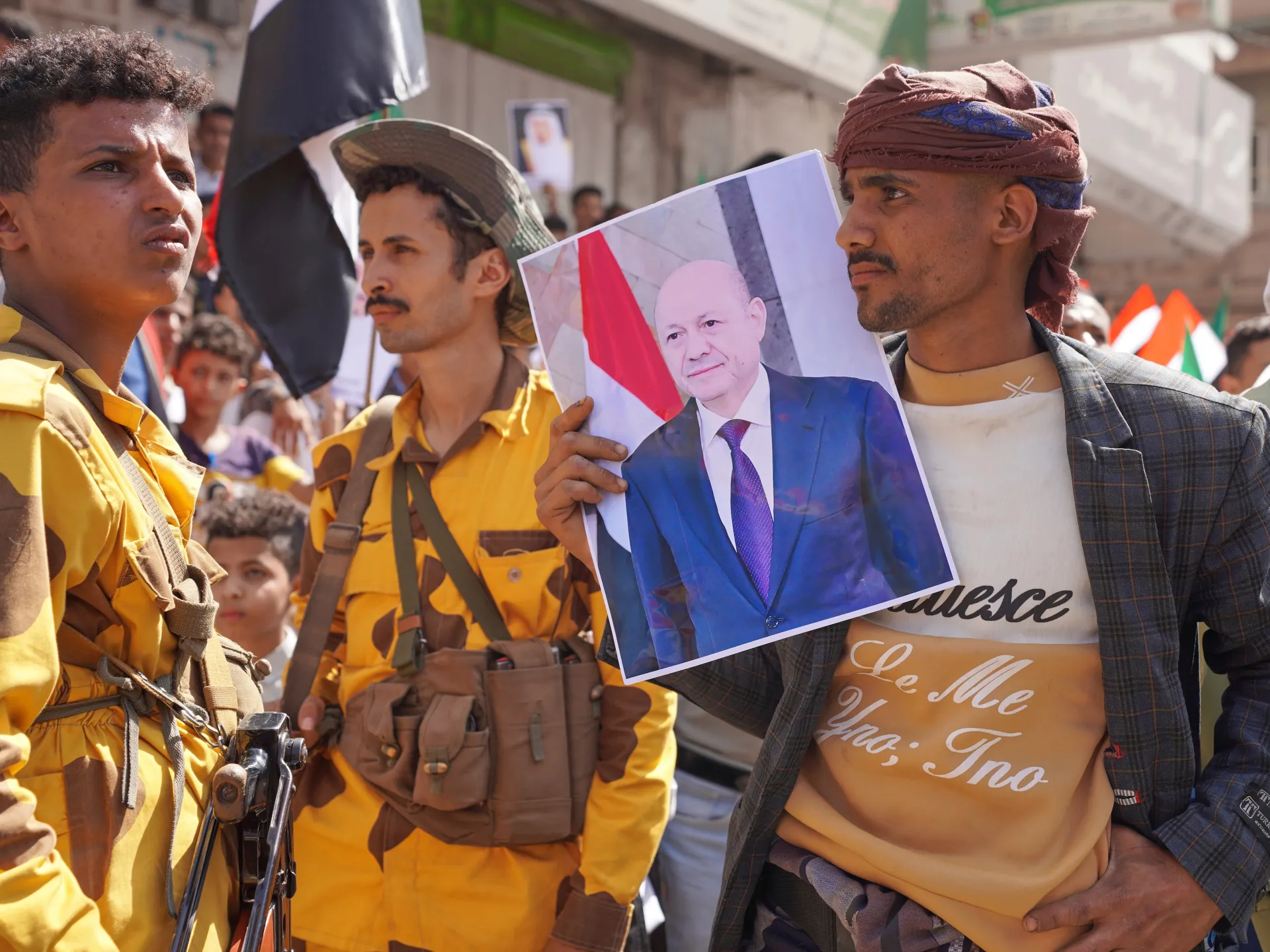
Yemeni FM warns Houthis seek to replicate Iran’s Strait of Hormuz control in Red Sea
Escalating clashes around Hodeidah and a decline in Red Sea shipping underscore the gravity of the foreign minister-designate’s warning in Riyadh.
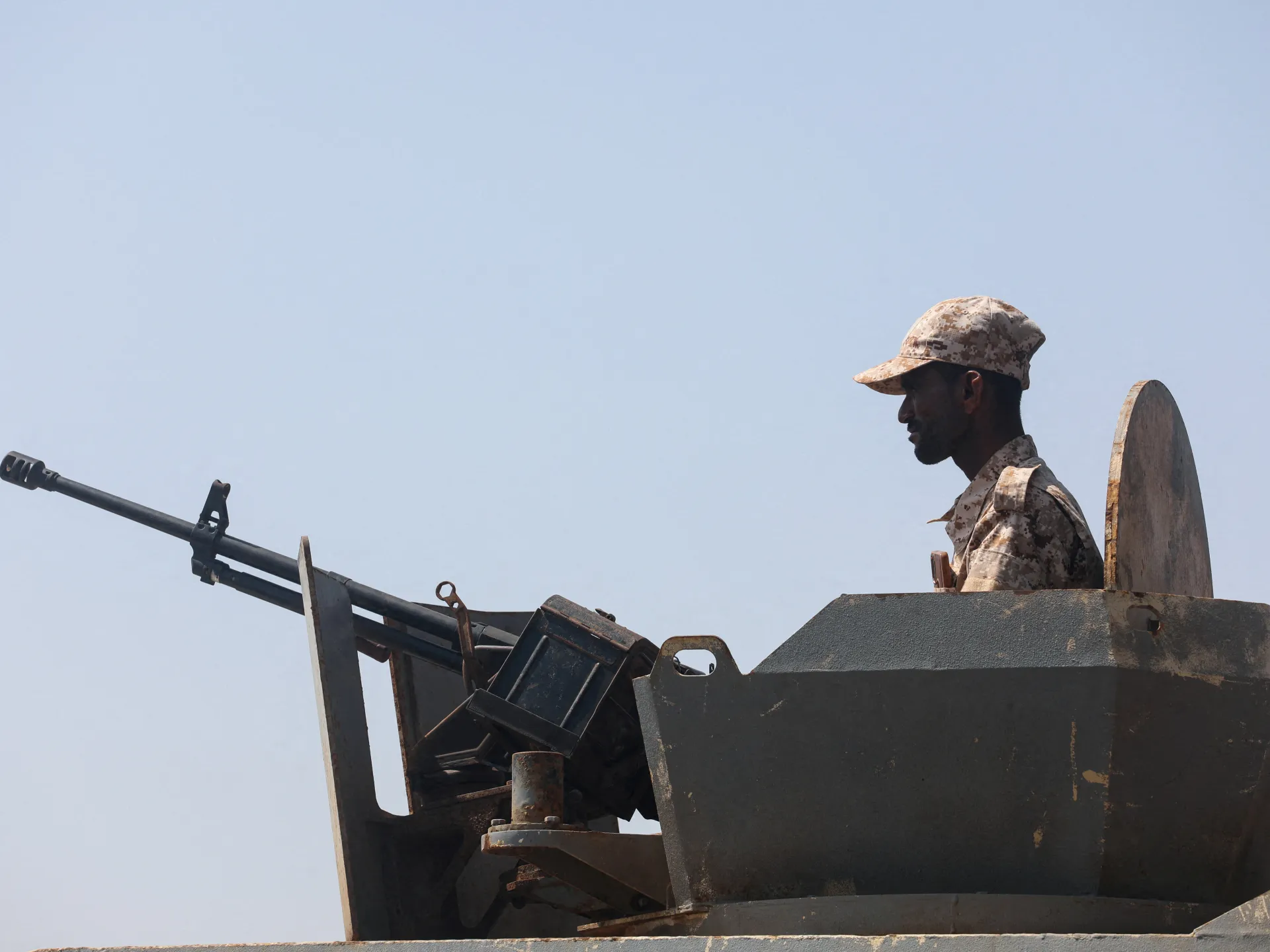
Afrah al-Zouba, the foreign minister-designate for Yemen’s internationally recognised government, has warned that the Houthi movement intends to replicate Iran’s strategy in the Strait of Hormuz by seizing control of shipping flows through the Bab al-Mandeb Strait. Speaking to journalists at the Yemeni embassy in Riyadh on Monday, al-Zouba stated that the Iran-backed group aims to shut down two critical maritime gateways: the Gulf’s primary artery and the Red Sea’s entry point.
The warning coincides with a significant deterioration in regional security, marked by a Houthi maritime siege on Saudi-bound shipping and subsequent Saudi air strikes on the Houthi-held port city of Hodeidah. Al-Zouba noted that global complacency has emboldened the group, citing an insufficient international response to their activities as a key factor in their growing assertiveness.
Data indicates that the threat is already impacting commercial activity, with shipping through the Red Sea declining sharply. On Sunday, only 11 commodity vessels passed through the waterway, a stark contrast to the volume required to support the approximately 30 percent of global container traffic and 12 to 15 percent of overall global trade that relies on the route.
Tensions have reached their highest level since a truce was agreed to in 2022. Earlier in July, the Houthis declared a maritime blockade on Saudi shipping and launched missiles and drones at the kingdom. In response, Riyadh has conducted air strikes on Hodeidah, while ground forces continue to exchange fire along the front lines where Houthi-controlled territory meets government-held areas.
Al-Zouba confirmed that Yemen’s government, backed by Saudi Arabia, is prepared for further escalation. However, she clarified that no offensive has been launched by government forces, despite the heavy casualties reported. Nearly 20 fighters from both sides died earlier in July during clashes around Hodeidah, adding to the estimated 377,000 civilians who have died in Yemen since the conflict intensified in 2015.
The situation is further complicated by geopolitical friction within the coalition supporting the Yemeni government. Riyadh has accused the United Arab Emirates of backing a southern separatist group in Yemen, a development that has influenced dynamics on the ground. As of 2026, the Houthis remain in power in the capital, Sanaa, and other parts of the country, maintaining their strategic position despite years of conflict.