Yemen Petroleum Company raises fuel prices as regional tensions drive transport costs
The Yemen Petroleum Company attributes the hike to shipping disruptions and insurance costs, warning that the measure is temporary pending the resolution of the Gulf crisis.
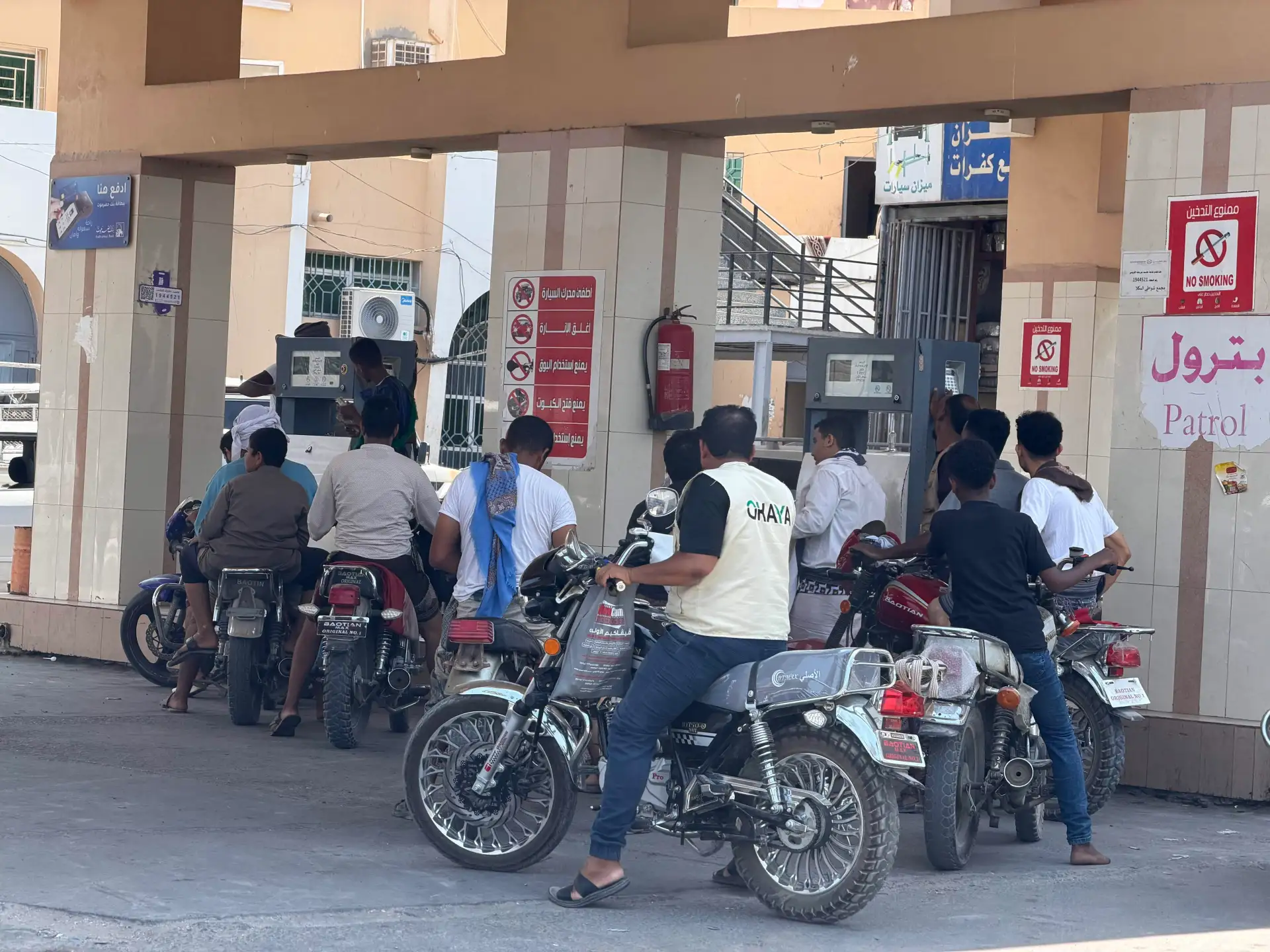
The Yemen Petroleum Company (YPC), operating under the internationally recognised government, has implemented a 24 per cent increase in petrol and diesel prices to 1,475 Yemeni riyals ($0.98) per litre. This decision, announced in areas under its administration, marks a sharp rise from the previous rate of 1,190 riyals ($0.79). The YPC attributes the adjustment to regional tensions, including the ongoing conflict involving Iran, alongside disruptions to shipping through the Strait of Hormuz and a surge in transport and insurance costs for fuel shipments.
While the company stated the increase is temporary and contingent on the resolution of the Gulf crisis and a return to normal conditions, the immediate impact has been felt by transport operators. Drivers in Mukalla and Aden have been forced to raise fares to cover the higher operational expenses. One driver in Mukalla reported increasing afternoon trip fares by 100 riyals ($0.06) and student fares by 3,000 riyals ($2). Consequently, bus fares in the city rose to 49,000 riyals ($32.60) by the end of April, an increase from less than 45,000 riyals ($30) the previous month.
The YPC clarified that fuel pricing is calculated in local currency based on the US dollar exchange rate at the time of purchase, plus transport and storage costs. This means prices remain tied to global refined product markets rather than crude oil costs alone. Despite occasional decreases in global oil prices amid hopes for a deal between the United States and Iran, the company maintained that the domestic price structure necessitates the hike due to the imported nature of the refined fuel supply.
Economists warn that the price adjustment will accelerate inflation and deepen economic hardship across the country. Mustafa Nasr, head of the Studies and Economic Media Center, noted that Yemen's fragile economy is particularly vulnerable to external shocks. He cautioned that economic activity could be affected across the board, with repercussions felt through rising prices of goods in markets and potential shortages of petroleum products.
Households are already resorting to extreme coping mechanisms to manage the rising costs. Um Fatemia, a university student in Mukalla, reported that her family has exhausted its savings and her mother has sold jewellery to help pay for her education. She described falling behind on bus payments, sometimes settling previous month's fees only halfway through the following month, as her father's teacher salary often arrives delayed or is insufficient to cover household expenses.
Although government officials appeared on state media meeting with transport union representatives to reassure the public that authorities would rein in unjustified fare increases, the financial strain remains acute. Unlike previous rounds of fuel price hikes that historically triggered violent protests, there has been little reported unrest in government-controlled areas so far. However, the combination of higher transport costs and the broader inflationary pressure continues to place significant stress on passengers and students alike.