Yemen conflict escalation tests new anti-Houthi coalition as US warns of ‘major military punishment’
Following four years of quasi-peace, renewed Houthi attacks on Saudi shipping and clashes in Dhale governorate signal a return to full-scale war, challenging the rebels against a more unified domestic front and heightened regional scrutiny.
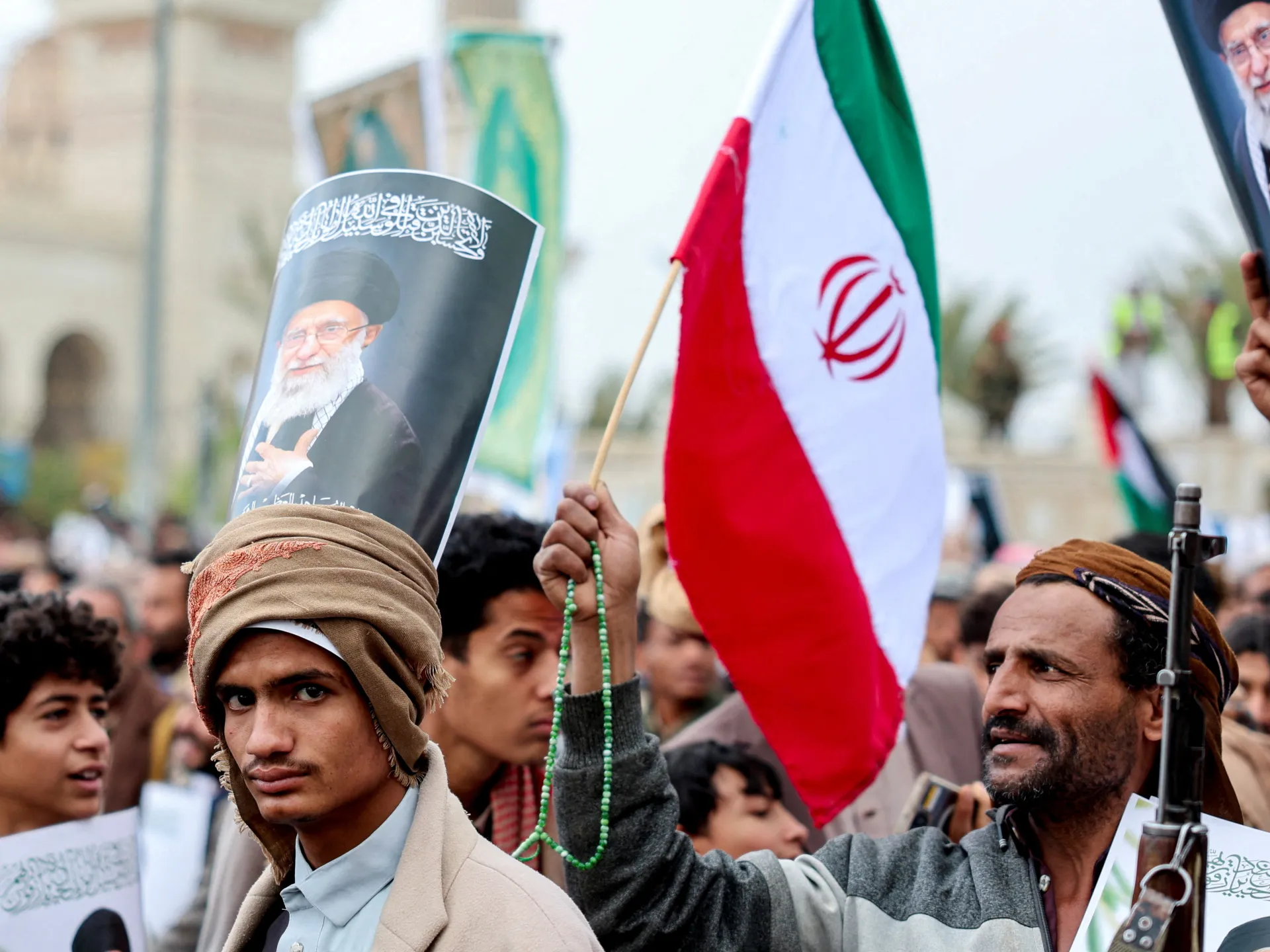
Yemen’s Houthi forces have resumed active military operations after a four-year period of relative calm, marking a significant escalation in the region’s protracted conflict. The group claimed responsibility for coordinated missile and drone strikes on two Saudi vessels in the Red Sea, alleging the ships had violated a blockade on Saudi ports. Simultaneously, heavy fighting erupted between Houthi fighters and government-affiliated forces in the southwestern governorate of Dhale, resulting in more than 30 casualties on both sides. These actions signal a transition from rhetorical posturing to kinetic engagement, with the Houthis seeking to assert military domination over opponents loyal to the internationally recognised Yemeni government.
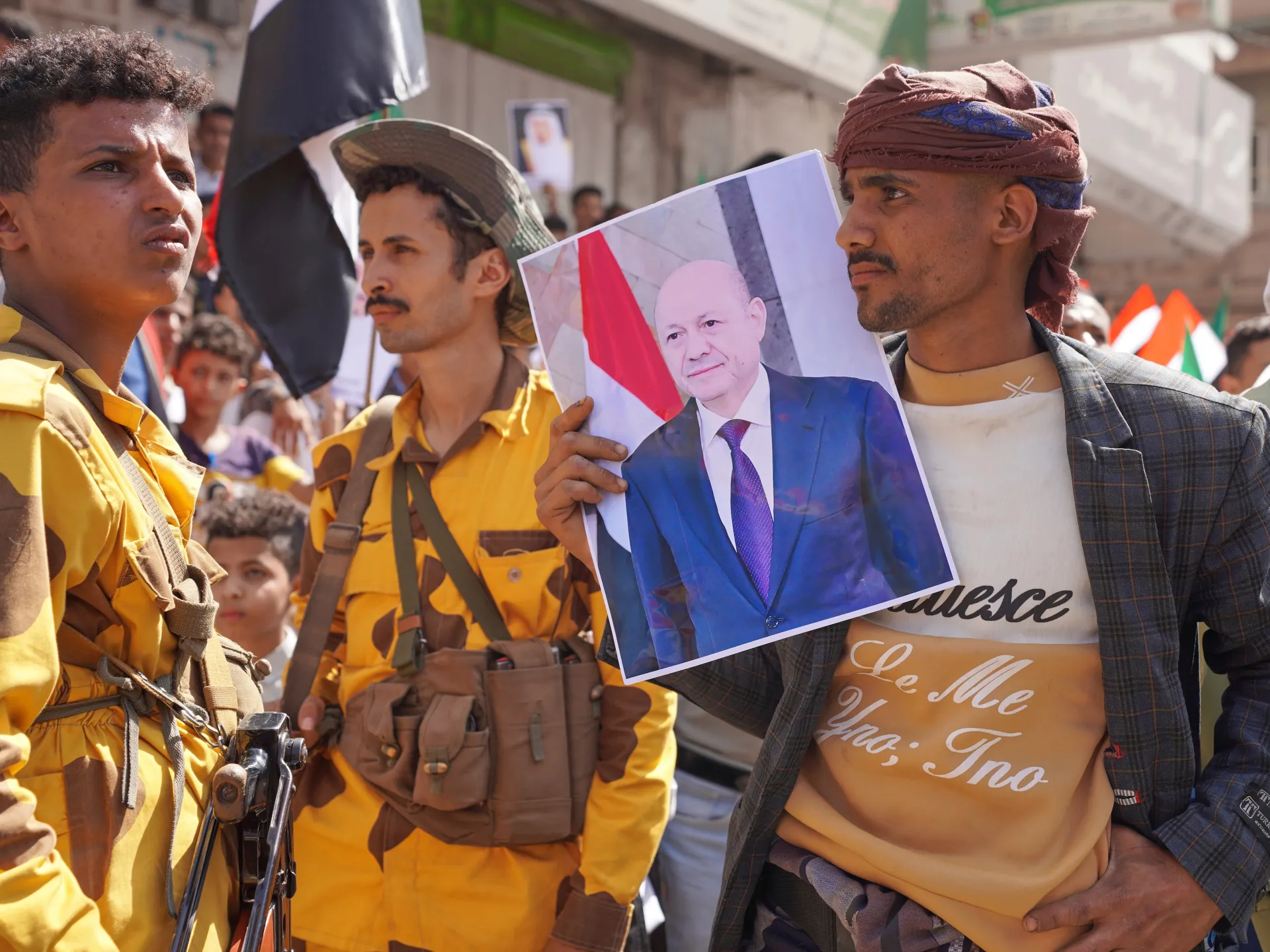
The strategic environment facing the rebels has shifted considerably since the 2022 truce. Experts note that the Yemeni government has moved away from the fragmentation that characterised earlier phases of the war. The Presidential Leadership Council is now described as less divided, with decision-making processes appearing more coordinated. This consolidation is partly driven by the government’s recent order to expel the United Arab Emirates from Yemen, while Saudi Arabia has stepped in to provide military support against the UAE-backed separatist Southern Transitional Council. Consequently, Saudi Arabia has emerged as the primary regional actor on the ground, working more closely with various anti-Houthi factions to counter rebel influence.
Beyond state-level coordination, a new anti-Houthi tribal alliance has formed in al-Jawf, northern Yemen. The group coalesced after tribal leader Hamad al-Hazmi was detained in Sanaa for 50 days and subsequently released in late June. Upon his return, al-Hazmi publicly condemned the treatment he endured, prompting thousands of tribesmen from various provinces to gather and denounce Houthi authorities. Analysts suggest this unity among tribes, which have suffered significant attrition over the past decade, could provide critical support for government military operations if the conflict expands further.
Despite these developments, the Houthis retain substantial military capabilities, commanding over 200,000 fighters according to official records in Sanaa, with the potential to mobilise additional loyalists. They continue to hold Yemen’s populous northwest, including the capital, Sanaa, and possess advanced missile and drone capabilities. However, analysts argue that their confidence may be misplaced given the strengthened position of anti-Houthi forces. Government troops have used the period of relative calm to rebuild, rearm, and fortify their positions, potentially altering the balance of power on the ground.
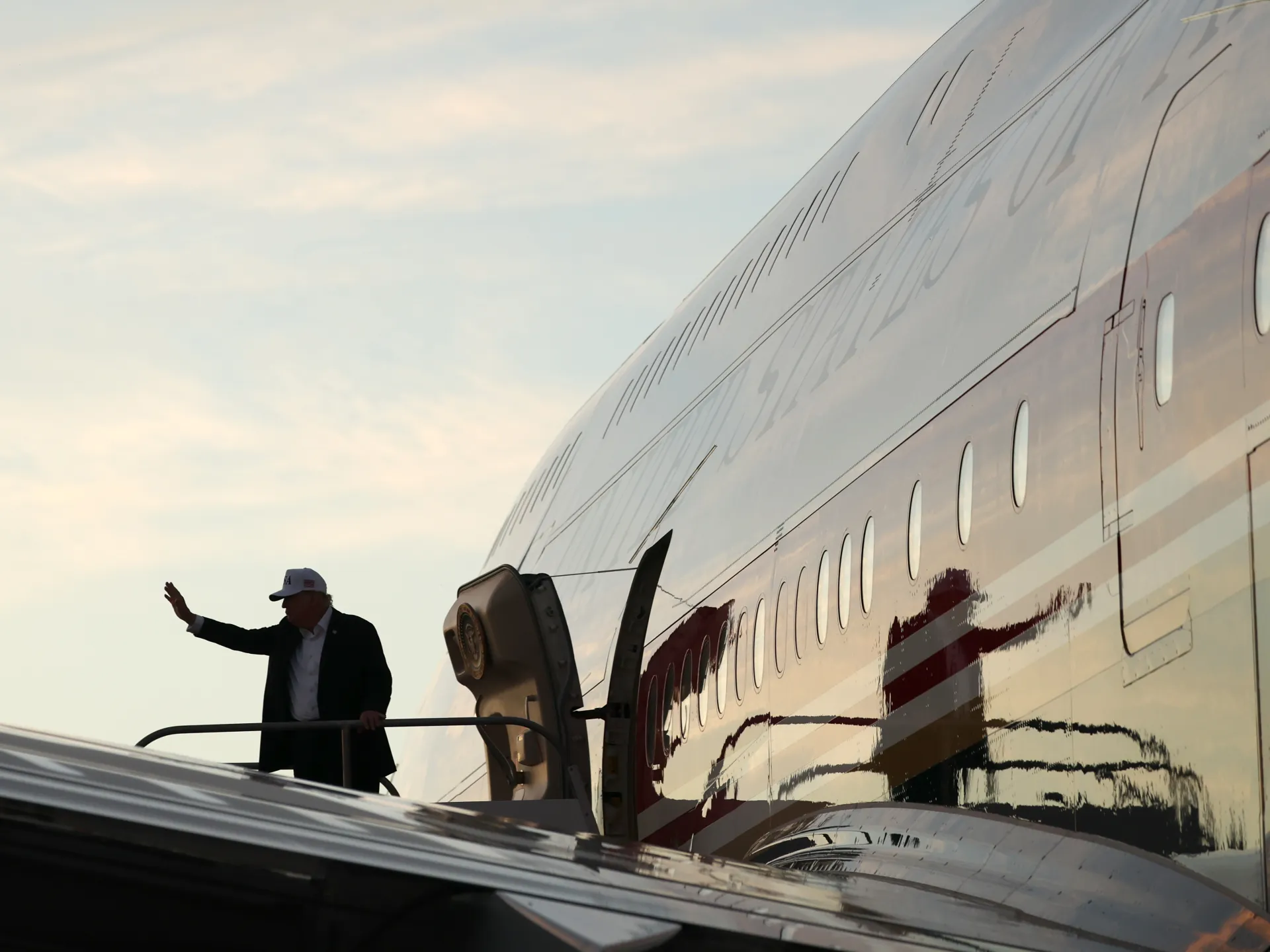
The international response has been swift and severe. US President Donald Trump warned of “major military punishment” for both Iran and the Houthis following the attacks on Saudi oil tankers. In a statement on his Truth Social platform, Trump asserted that the United States would hold Iran responsible for any further attacks, describing the Houthis as a “Surrogate and/or Proxy of Iran.” Meanwhile, advanced discussions are underway among regional states, with international support, to form new alliances aimed at protecting maritime traffic in the Red Sea, indicating a coordinated regional approach to the escalating crisis.