Yahoo Sports ranks England World Cup kits from 1950 to 2026
As England prepares for its 17th World Cup in North America, Yahoo Sports has published a comprehensive ranking of the men’s national team’s kits, spanning from the 1950 tournament to the 2026 edition.
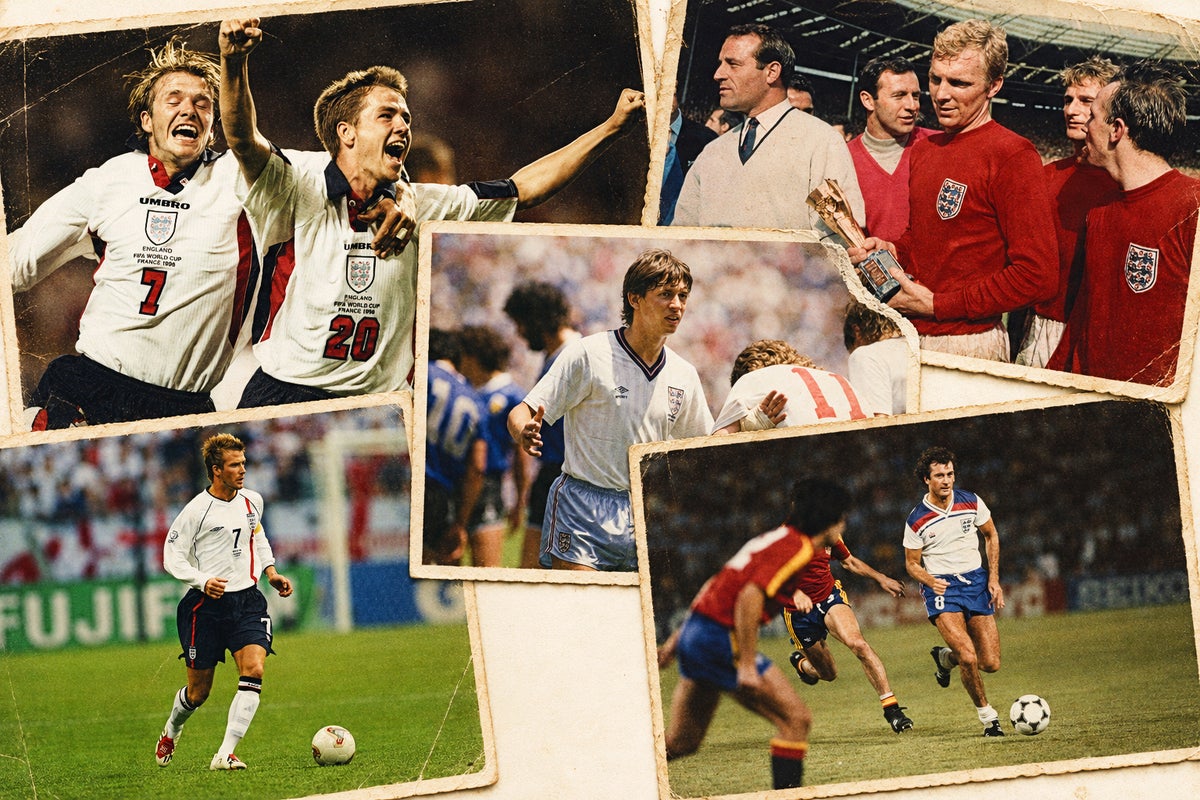
Yahoo Sports has released a detailed ranking of England’s men’s national football team kits, covering every tournament from the 1950 World Cup through to the upcoming 2026 competition in North America. The publication examines the design aesthetics and historical context of each shirt, providing a retrospective analysis as the team enters its 17th World Cup appearance.
The 1966 kit is singled out for its profound historical weight, marking the team’s sole World Cup triumph. The article notes the high neckline and long sleeves of the red version, describing it as having a "cosy, almost velvety look" during the moment of victory. This stands in contrast to earlier designs, such as the 1950 and 1954 kits, which are characterised by a clean aesthetic, wide necks, and large crests, reflecting simpler times in the sport’s history.
In reviewing more recent editions, the ranking offers a critical assessment of the team’s sartorial choices alongside their on-field performance. The 2010 South Africa kit is described as bland, complementing a round-of-16 exit to Germany, while the 2022 Qatar kit’s electric blue fade is viewed less favourably in hindsight following a quarter-final loss to France. Similarly, the 2014 Brazil kit is noted for its simplicity and elegance, despite the team finishing bottom of their group.
Certain designs are elevated by specific historical moments or stylistic shifts. The 1998 kit is regarded as an elite edition, associated with Michael Owen’s goal against Argentina, while the 1982 Spain kit is recognised as the first to feature bold colour, despite the team’s exit in the second group stage. The 1990 Italy kit is also highlighted as a classic, coinciding with England’s fourth-place finish.
The 2026 kit is described as having more intrigue than some recent editions, though its ultimate fate remains undetermined. The ranking serves as a cultural record of the team’s evolution, juxtaposing the nostalgic value of past designs against the ongoing narrative of England’s tournament campaigns.