Xi pledges 5,000 AI training slots to developing nations amid US-China summit
Beijing positions itself as a partner for the Global South while US stocks rise on trade and technology developments.
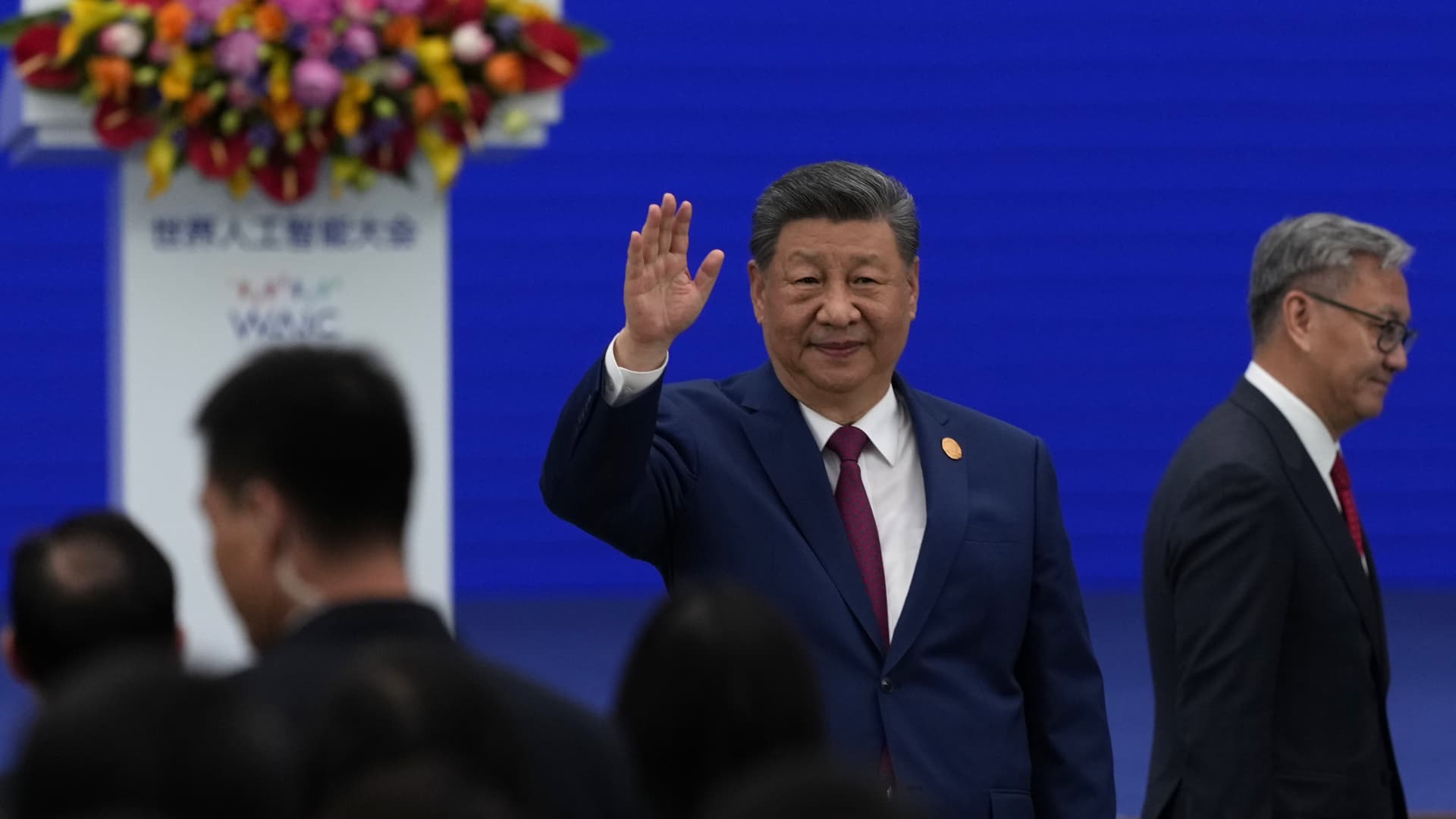
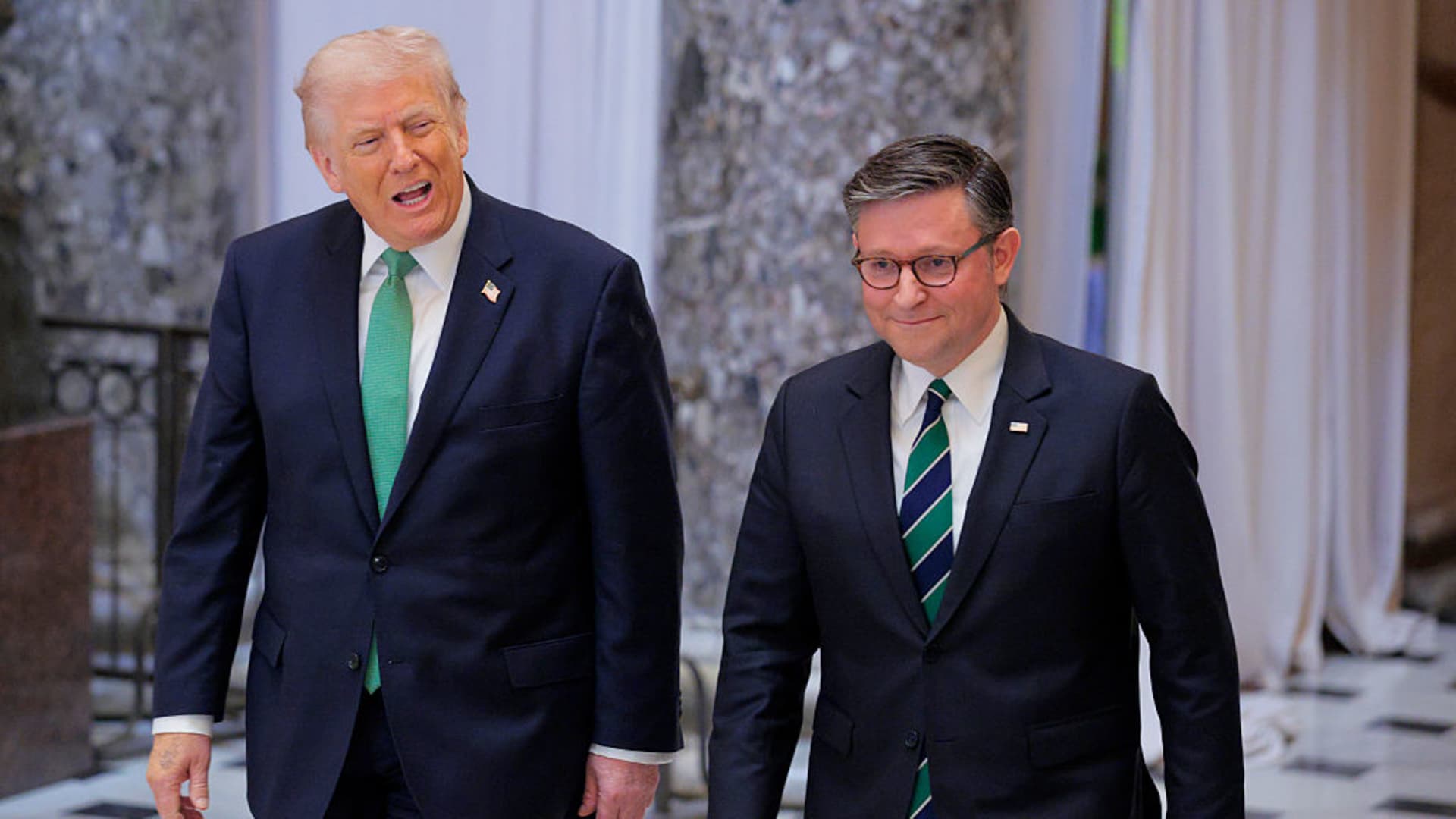
Chinese President Xi Jinping has positioned China as a key artificial intelligence partner for developing nations, announcing a commitment to provide 5,000 opportunities in AI training and seminar programs. The pledge was made during a two-day summit in Beijing with US President Donald Trump, which commenced on Thursday, 14 May 2026. Xi also outlined plans to develop AI cooperation with various blocs, framing the initiative as part of a broader strategy to engage the Global South.
During the summit, Xi warned against the dominance of any single nation in AI governance and cautioned against the overextension of national security concepts within the sector. He described AI development as a "symphony of international cooperation" rather than a solo performance, echoing previous calls for multilateral frameworks. This stance aligns with historical positions taken by Xi, including remarks made at the World Artificial Intelligence Conference in Shanghai, where he similarly highlighted the risks of unilateral control.
The announcement coincided with positive movements in US financial markets. At the start of the summit, the Dow Jones Industrial Average gained 0.8%, the S&P 500 rose 0.3%, and the Nasdaq Composite climbed 0.2%. Nvidia shares also surged more than 2% following news that the US had approved H200 chip sales to Chinese firms, signalling a potential easing of restrictions in the semiconductor sector.
The summit agenda covers a range of critical issues, including trade, artificial intelligence, and tensions regarding Iran. President Trump arrived in Beijing accompanied by a delegation of major technology executives, underscoring the commercial and strategic importance of the discussions. The meeting represents a significant diplomatic engagement between the two largest economies, with technology policy serving as a central pillar of the dialogue.
While the specific timeline for the delivery of the 5,000 training opportunities was not detailed, the commitment marks a tangible step in China’s efforts to expand its influence in the AI sector. The initiative aims to build capacity in developing countries while offering an alternative to Western-led technological frameworks. As the summit continues, investors and policymakers will be watching closely for further developments on trade and regulatory cooperation.