Xi holds leverage as Trump arrives in Beijing for high-stakes trade summit
With US imports from China down 25 percent and approval ratings at historic lows, President Donald Trump seeks a diplomatic win ahead of the midterms, while Beijing pursues technology access and strategic concessions.
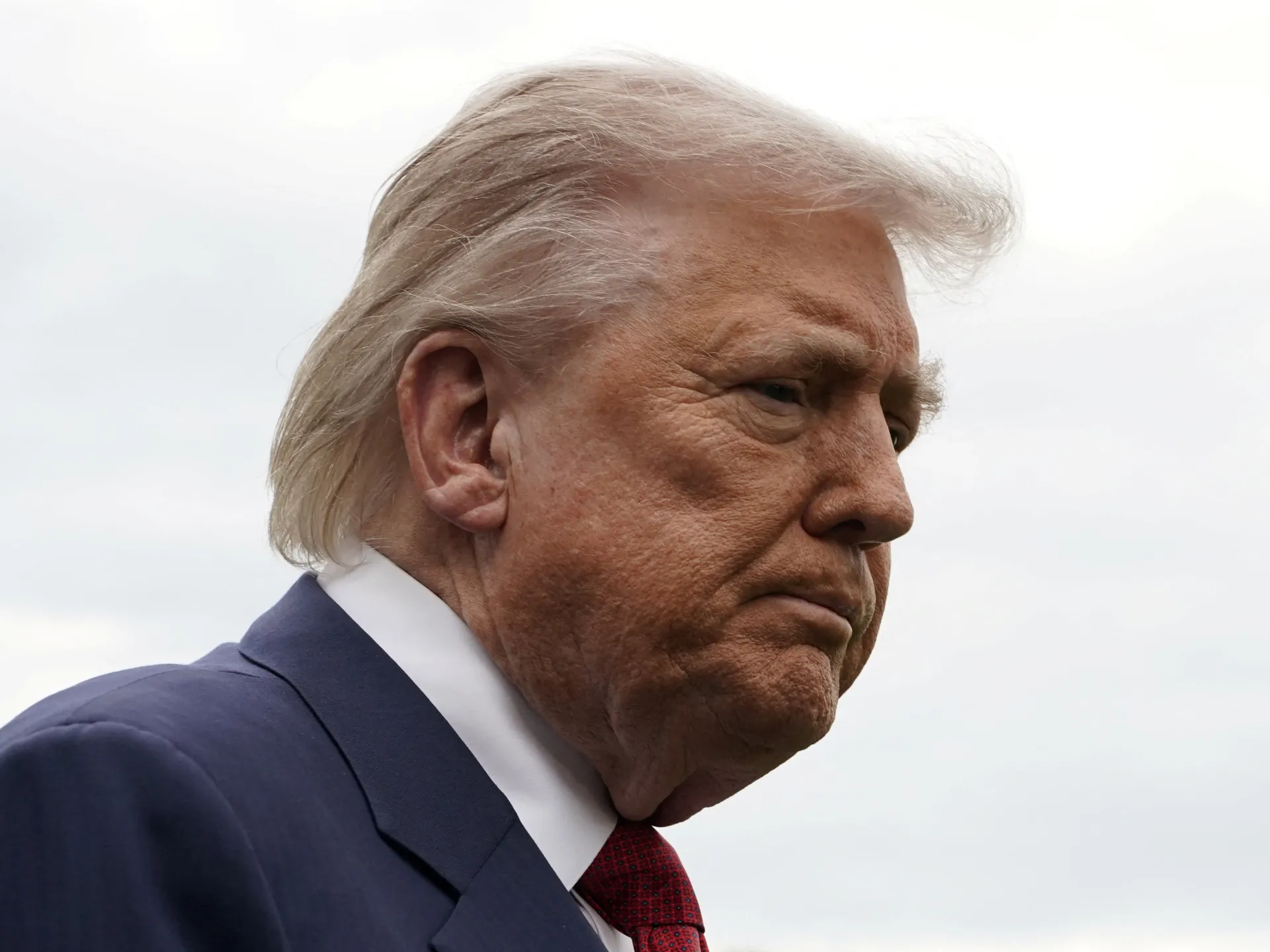
President Donald Trump has arrived in Beijing for talks with President Xi Jinping, marking his first visit to China since 2017. The summit, scheduled for Thursday and Friday, takes place against a backdrop of severely deteriorated bilateral trade relations and intense domestic political pressure on the US administration. Experts suggest that the current geopolitical landscape provides Beijing with a distinct negotiating advantage, as Washington grapples with low approval ratings and ongoing military engagements in the Middle East.
Trade between the two nations has contracted sharply since Trump imposed high tariffs, including rates reaching 145 percent at one point. Chad Bown, a senior fellow at the Peterson Institute of International Economics, noted that US imports from China fell by more than 25 percent in a single year, while exports to China dropped by a similar margin. Bown estimated that without these trade measures, US exports to China would have been nearly 60 percent higher in 2025, representing approximately $90 billion annually.
Despite the decline in direct trade with the US, China’s economy has adapted by diversifying its export markets. The country’s trade surplus hit a record high of nearly $1.2 trillion last year as it increased business with other regions, reducing its reliance on the American market. Dexter Tiff Roberts of the Atlantic Council observed that China has successfully moved away from its previous dependence on the US, while American businesses have shifted supply chains to countries such as Mexico, Vietnam, and Taiwan.
Domestic political considerations are driving Trump’s urgency to secure a diplomatic agreement. A recent Reuters/Ipsos poll indicated that only 34 percent of Americans approve of Trump’s performance, a decline from 47 percent when he took office in January 2025. Wei Liang, a professor at the Middlebury Institute of International Studies, stated that Trump is desperate for a win ahead of the US midterm elections in November, whereas Xi faces no comparable domestic pressure.
China’s objectives for the summit include securing regular access to high-technology chips and obtaining concessions on Taiwan. In return, the US is expected to seek Chinese assistance in stabilising the Strait of Hormuz and committing to significant purchases of American goods, including soybeans, Boeing aircraft, and energy supplies. The meeting occurs as global markets react to inflation fears and rising energy costs linked to tensions in the Iran ceasefire.