Xi and Trump conclude Beijing visit with rare Zhongnanhai tour amid policy ambiguity
While the White House confirms a consensus on the Strait of Hormuz, Beijing sidesteps questions on agricultural and aviation deals as leaders depart for a September meeting in Washington.
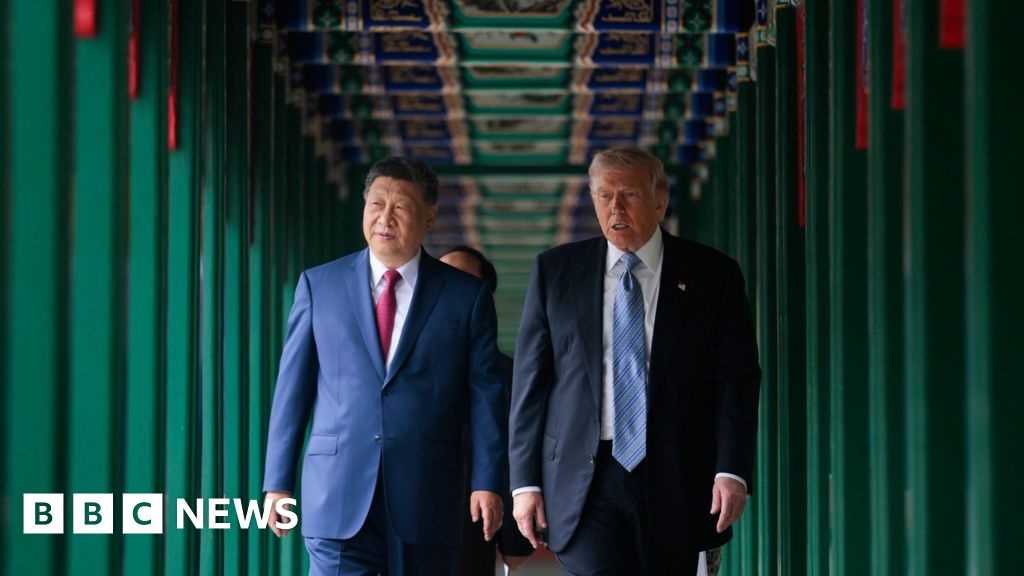
US President Donald Trump and Chinese President Xi Jinping concluded their two-day summit in Beijing with a tour of Zhongnanhai, the heavily guarded compound that serves as the seat of power for China’s Communist government. The visit to the 14th-century estate, located approximately 20km east of Tiananmen Square, was characterised by diplomatic pageantry rather than immediate policy disclosure, with Xi describing the engagement as the establishment of a "new bilateral relationship."
During the tour, which featured a stroll through manicured gardens containing trees estimated to be up to 400 years old, Xi presented Trump with seeds of Chinese roses. The invitation to Zhongnanhai is considered a rare honour for foreign dignitaries, with previous US presidents including Richard Nixon, George W Bush, and Barack Obama having visited the site since it became the centre of Chinese political power in 1949.
Despite the ceremonial nature of the final day, Trump claimed in a pre-recorded interview with Fox News that significant diplomatic progress had been made. He stated that Xi pledged not to supply Iran with military weapons and that China had agreed to purchase US oil, 200 Boeing jets, and agricultural products. Trump also noted that Xi expressed a desire for the Strait of Hormuz to remain open, a sentiment subsequently confirmed by the White House as a consensus aimed at stabilising global energy markets amid tensions surrounding the conflict in Iran.
China’s foreign ministry later sidestepped specific questions regarding the agricultural and aviation deals, releasing a statement that Beijing had been working to help end the conflict in Iran but offering no details on the commercial agreements. This ambiguity contrasts with Trump’s assertion that trade talks had gone "better than last time" and that the business leaders accompanying him were there to secure jobs and make deals.
The summit marks the first visit by a US president to China since 2017, occurring against a backdrop of trade tensions and Beijing’s efforts to expand economic ties with nations beyond the US to mitigate the impact of American tariffs. Following the conclusion of the Beijing trip, Trump invited Xi to the White House, with a second summit scheduled for September in Washington.