Xi and Putin cement ‘unyielding’ ties amid Middle East energy tensions
Chinese President Xi Jinping and Russian President Vladimir Putin reaffirm bilateral cooperation, with Moscow reporting a 35% surge in oil exports to China in the first quarter of 2026.
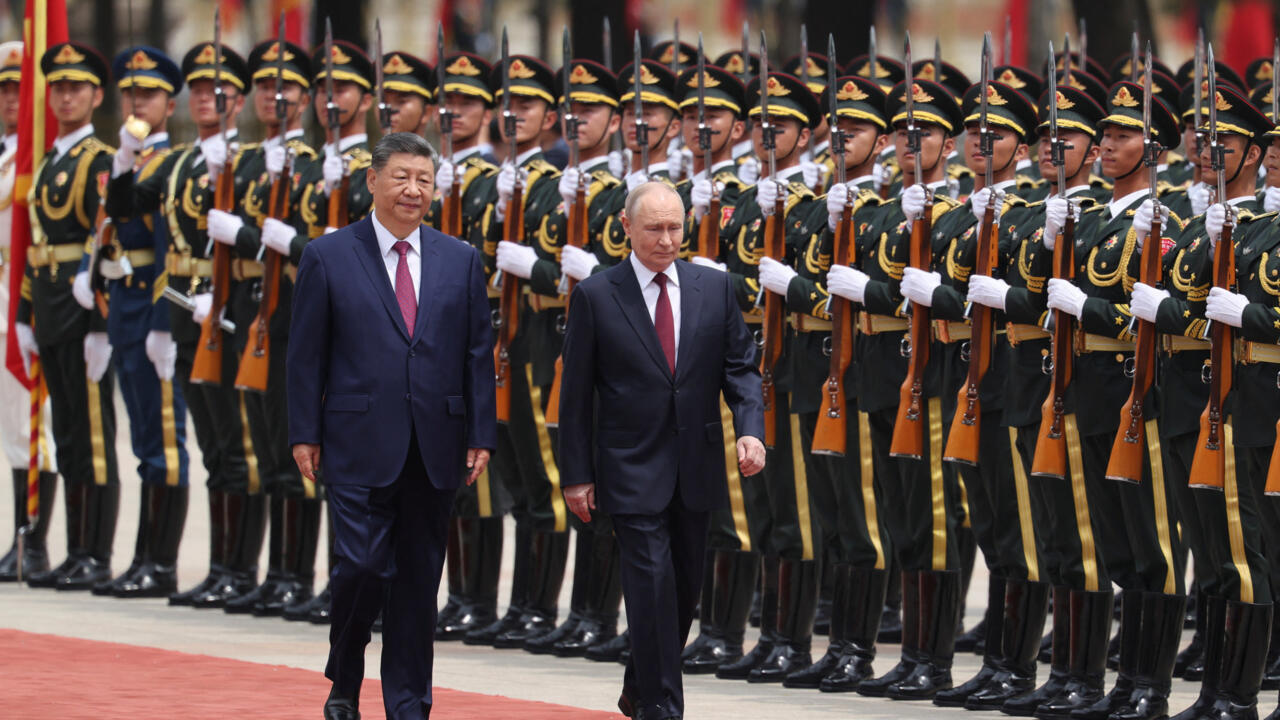
Chinese President Xi Jinping and Russian President Vladimir Putin convened at the Great Hall of the People on Wednesday for high-level talks focused on strategic cooperation and energy security. The summit, marking the second face-to-face meeting between the leaders in less than a year, saw Xi describe the bilateral relationship as "unyielding" while Putin praised the "unprecedentedly high level" of cooperation despite unfavourable external factors.
The diplomatic engagement followed the arrival of Putin in Beijing on May 19 and occurred in the immediate aftermath of US President Donald Trump’s recent two-day visit to the Chinese capital. Xi welcomed his Russian counterpart with an honour guard and a gun salute, with children waving national flags, before the leaders held formal discussions and an intimate meeting over tea. Xi referred to Putin as an "old friend", a designation not extended to Trump during his recent visit, underscoring the distinct nature of Beijing’s diplomatic calculus.
Central to the talks was the resilience of energy supplies amidst rising geopolitical instability. Putin emphasised Russia’s role as a reliable energy supplier amid disruptions in the Middle East. According to Russian presidential aide Yuri Ushakov, Russia’s oil exports to China grew by 35% in the first quarter of 2026. Ushakov described China as a "responsible consumer" while Moscow seeks to capitalise on global market shifts, including the closure of the Strait of Hormuz.
While Moscow looks to deepen energy ties, Beijing has signalled a preference for de-escalation in the region. Xi called for a "comprehensive ceasefire" in the Middle East, stating that resuming hostilities was "inadvisable" and that maintaining negotiations was "particularly important". This stance reflects China’s reliance on the freedom of major waterways to sustain its economic activities, contrasting with Russia’s potential benefit from elevated energy prices driven by regional conflict.
Observers note that the Xi-Putin relationship is viewed as structurally stronger and more stable than ties with the United States, requiring less performative reassurance. As China seeks to maintain stable energy supplies and Russia aims to offset Western sanctions, the summit reinforces a bilateral partnership that continues to deepen despite international pressure and diverging priorities regarding the Middle East conflict.