World Cup opens in shadow of geopolitical fracture and logistical strain
The 2026 FIFA World Cup commenced on Thursday with Mexico facing South Africa at Azteca Stadium, but the event is defined by administrative controversy, environmental risks and diplomatic friction rather than sporting anticipation.
The 2026 FIFA World Cup officially commenced on Thursday with a record 48 teams competing across the United States, Canada and Mexico. The opening match saw hosts Mexico face South Africa at Mexico City’s Azteca Stadium, a venue that previously hosted World Cup matches in 1970 and 1986. Despite the historic setting, the tournament’s launch has been overshadowed by significant administrative, environmental and geopolitical controversies that have cast a pall over the quadrennial event.
FIFA President Gianni Infantino has defended the scale of the tournament, describing it as the biggest and most inclusive World Cup ever, with projections of 7 million stadium attendees and 6 billion global viewers. However, the reality on the ground has diverged sharply from these assertions. An IPSOS poll indicated that only 26 per cent of Americans reported being at least somewhat excited about the event, while hotel bookings in US host cities have been lighter than expected. The expansion to 48 teams has also drawn criticism for potentially diluting the quality of competition, with the group stage retaining 16 teams while only 16 advance to the knockout rounds.
The most immediate friction has arisen from US immigration policies, which have barred several key figures from participating in the tournament. Somali referee Omar Artan was dropped from the competition after being denied entry to the United States. Iraqi striker Aymen Hussein was held for seven hours at Chicago airport, and team photographer Talah Salah was denied entry entirely. Squads from Senegal and Uzbekistan also faced extensive searches upon arrival, highlighting the administrative barriers imposed by the Trump administration’s immigration enforcement.
Geopolitical tensions related to the ongoing war in Iran have further complicated the tournament’s logistics. The Iranian national team relocated its training base from Tucson, Arizona, to Tijuana, Mexico, citing visa hassles and the revocation of tickets. Iranian players arrived in Mexico wearing lapel pins highlighting victims of a missile strike on an elementary school at the start of the conflict. This relocation underscores the broader diplomatic instability affecting the event, with escalating tensions in the Middle East contributing to rising oil prices and regional destabilisation.
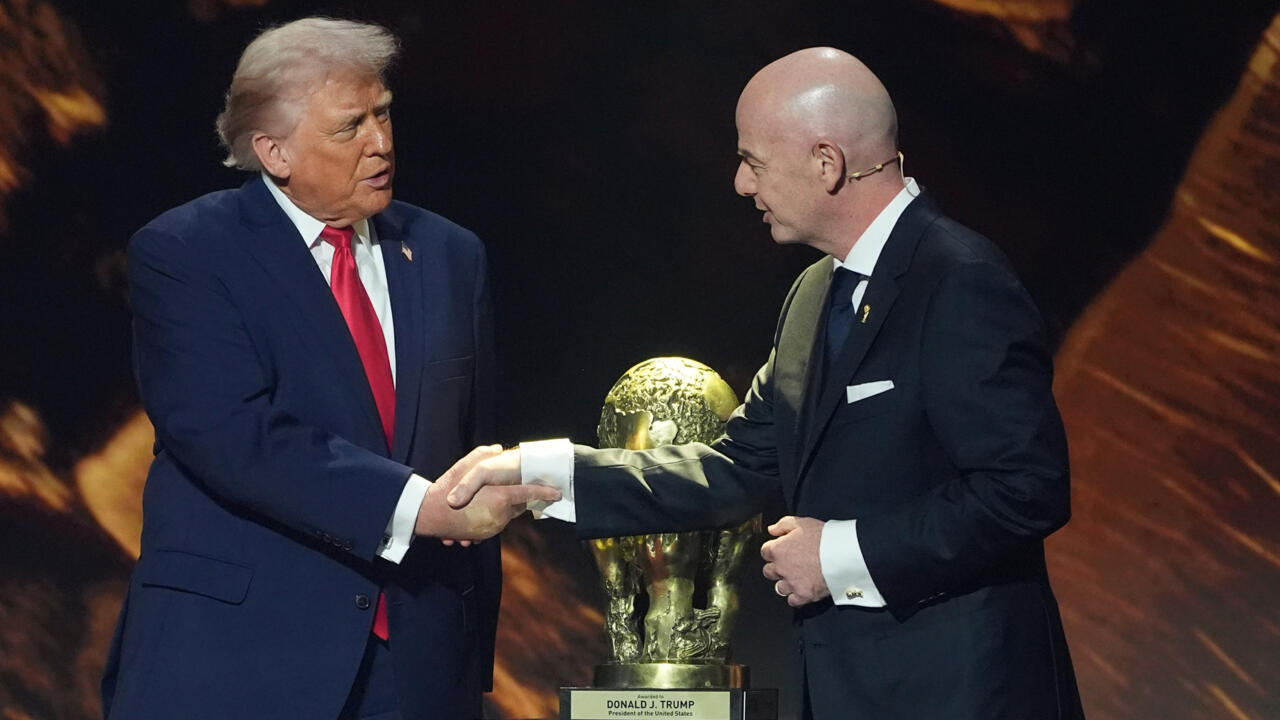
Social unrest in Mexico has also necessitated a massive security response. On the eve of the opening ceremony, protesters blocked access to the main plaza in Mexico City, prompting President Claudia Sheinbaum to deploy over 100,000 security personnel across host cities. Infantino has sought to maintain strong relations with US political figures, including awarding President Donald Trump the inaugural FIFA Peace Prize last year, yet the tournament’s inclusivity has been widely questioned.
Financial accessibility remains a point of fierce contention. FIFA has faced criticism for ticket prices ranging from $140 to $8,680 initially, with resale prices for the final reaching up to $32,970. FIFA takes a 30 per cent commission on resale tickets, and fans have accused the governing body of a monumental betrayal. Infantino has defended the pricing strategy, citing demand equivalent to 1,000 years of World Cups, but the cost of attendance, including high parking and transport fees, has alienated many supporters.
Environmental and logistical challenges are also mounting. The three-country format has raised concerns about ballooning carbon emissions, with some observers noting that the 2022 Qatar edition may appear greener in comparison. Extreme heat is expected in host cities such as Dallas and Houston, where temperatures could exceed 32 degrees Celsius. FIFA has introduced hydration breaks for players and lifted a ban on refillable water bottles to mitigate these risks.
As the tournament progresses, the focus will shift to on-field performance, with major nations such as Brazil, England and the United States seeking to overcome historical disappointments. Brazil has appointed Carlo Ancelotti as coach in an attempt to end a 20-year title drought, while England has turned to Thomas Tuchel. The United States, led by Mauricio Pochettino and captain Tim Ream, aims to capitalise on home advantage. However, the administrative and political controversies that have marked the opening days are likely to remain a defining feature of the 2026 World Cup.