World Cup opens in Mexico City as African representation peaks amid regional unrest
The 2026 FIFA World Cup commenced on Thursday with the opening match between co-hosts Mexico and South Africa, highlighting a historic surge in African participation while concurrent anti-immigrant violence in South Africa has led to the repatriation of hundreds of Nigerians.
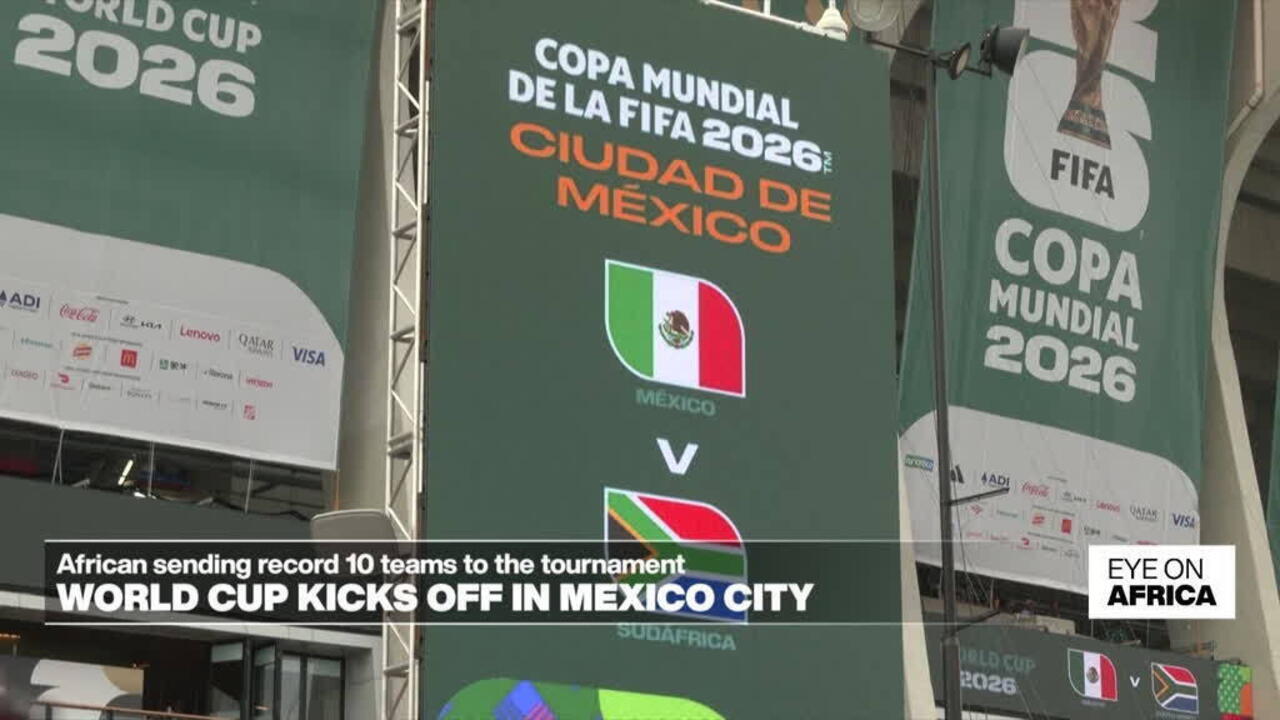
The 2026 FIFA World Cup officially commenced on Thursday, 11 June 2026, with the opening fixture between co-hosts Mexico and South Africa at the Estadio Azteca in Mexico City. The match was attended by approximately 80,000 spectators, marking the start of the first tournament to be jointly hosted by Canada, Mexico, and the United States. This edition features an expanded field of 48 teams, increasing the total number of matches to 104 over a 39-day schedule that concludes with the final at MetLife Stadium in New Jersey on 19 July 2026.
This tournament records the highest number of African teams ever to participate in the competition. The increased representation underscores the growing geopolitical and administrative complexities of hosting a global sporting event across multiple jurisdictions, with the schedule spanning the entirety of June and July. The Estadio Azteca, a venue that has previously hosted World Cup finals, served as the primary location for the opening ceremony and match.
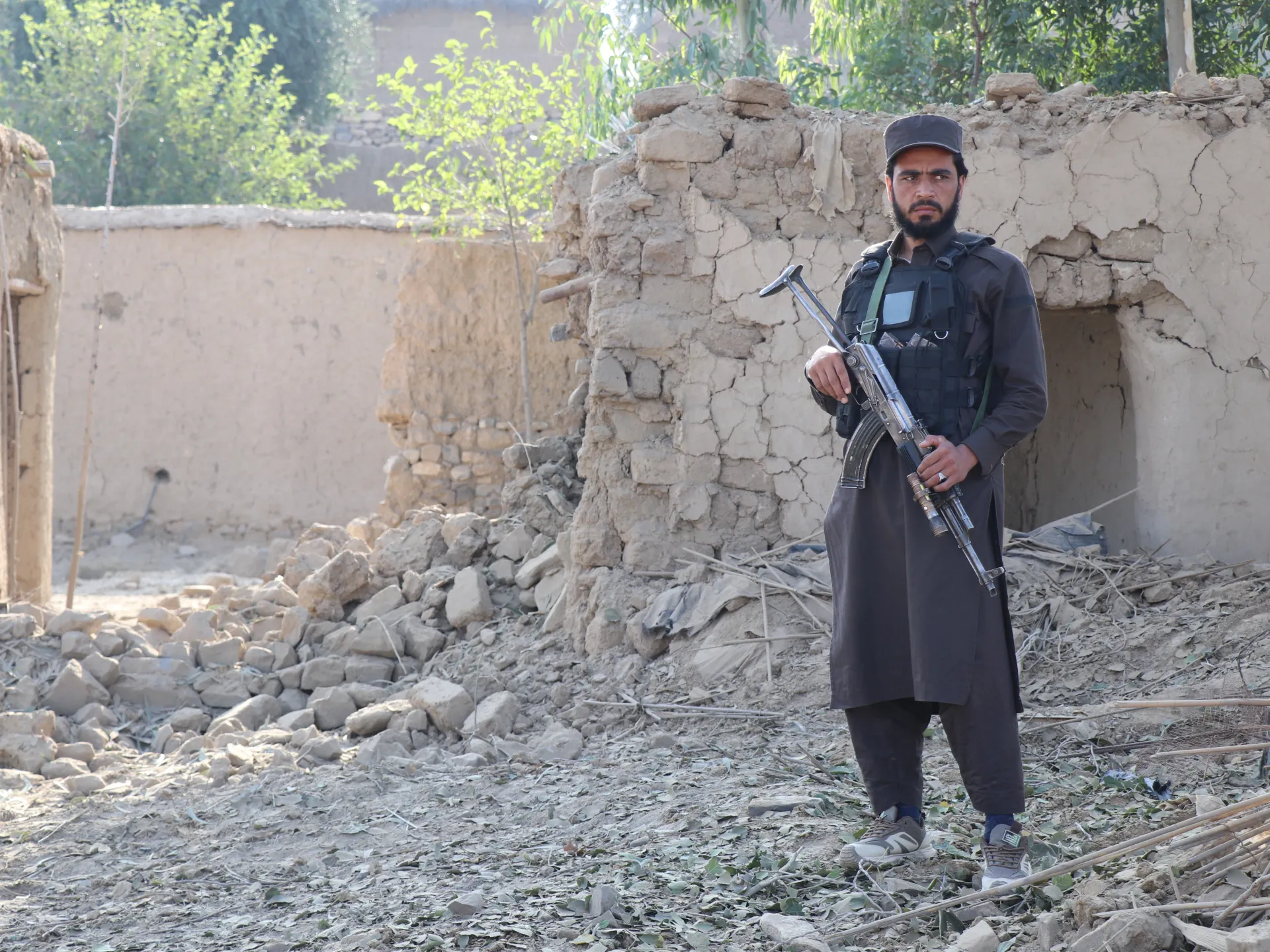
Concurrently, the tournament has drawn attention to broader regional security issues. Reports indicate that hundreds of Nigerians have been repatriated from South Africa due to escalating anti-immigrant unrest in the country. While the exact number of repatriated individuals is not specified, the disruption highlights the social tensions affecting the host nation of one of the opening teams. The specific impact of this unrest on broader tournament logistics or security protocols has not been detailed in available reports.
As the competition begins, Japan has also entered the field with stated championship ambitions under manager Hajime Moriyasu. The presence of such diverse strategic objectives across the expanded 48-team bracket illustrates the heightened competitive landscape of this World Cup. The event brings together nations from across the globe, with the administrative coordination between the three North American host nations remaining a significant operational factor.
The 39-day competition will see 104 matches played across the three host countries, culminating in the final on 19 July. The opening match between Mexico and South Africa sets the tone for a tournament defined by both its expanded scale and the complex social and political contexts surrounding the participating nations.