World Cup opener held amid protests over drug war disappearances in Mexico City
Teachers and families of the missing mobilise in the capital, seeking international attention for their demands as Mexico hosts South Africa at the Estadio Azteca.
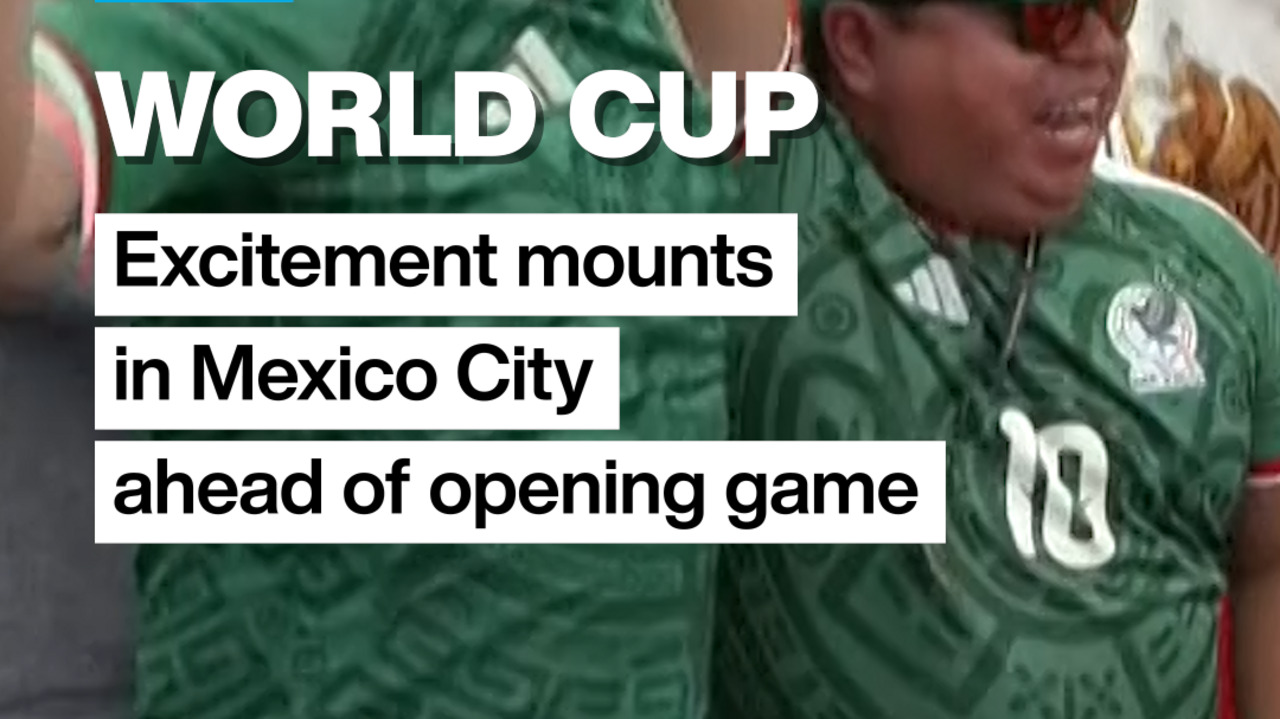
The 2026 FIFA World Cup officially commenced on Thursday, 11 June 2026, with the opening fixture between Mexico and South Africa at the Estadio Azteca in Mexico City. The match marked the beginning of the first tournament to be jointly hosted by Canada, Mexico, and the United States, featuring an expanded field of 48 teams competing over a 39-day period.
Large crowds of Mexican and South African supporters gathered at the stadium ahead of the kickoff, creating a significant atmosphere of anticipation for the inaugural game of the expanded tournament. The event drew international attention to the capital city as the sporting festivities began.
However, the opening match took place against a backdrop of civil unrest in Mexico City. Reports from France 24 International indicate that protests occurred in the city surrounding the sporting event, highlighting the complex social and political landscape in which the tournament is being held.
The demonstrations involved teachers and families of individuals who have gone missing in the context of the drug war. These groups are seeking to draw international attention to their specific demands, using the global platform of the World Cup to amplify their voices and highlight ongoing security and governance concerns.
While the specific nature of the protesters' demands and the precise scale of the demonstrations were not detailed in the source material, the presence of these groups underscores the intersection of high-profile international events and domestic civil society mobilisation in Mexico.
The 2026 World Cup represents a significant logistical and diplomatic undertaking for the three North American host nations. As the tournament proceeds, the juxtaposition of fan enthusiasm at the Estadio Azteca with the protests in the city centre provides a stark view of the competing narratives shaping the event's reception.