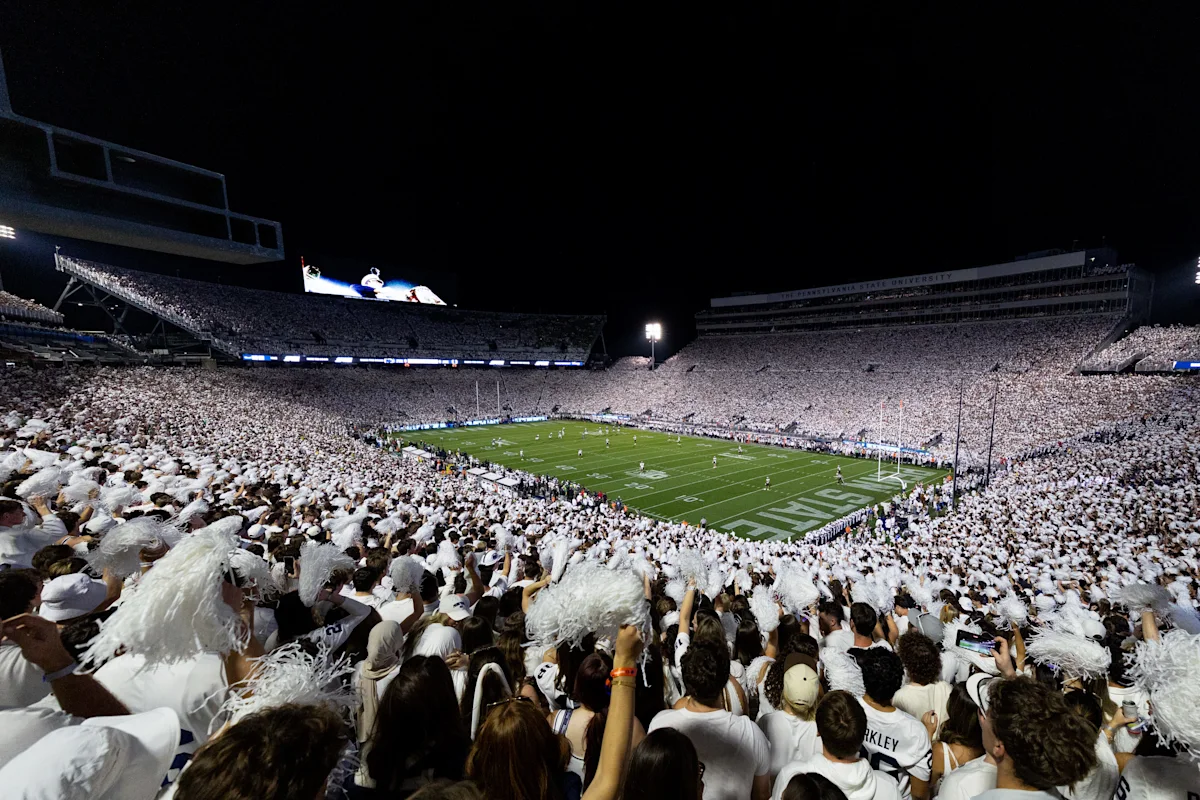
World Cup format changes spark fairness debate as 'dead rubbers' multiply
Eight teams have been mathematically eliminated or qualified after just two matches, raising concerns about competitive integrity and potential collusion as the 2026 tournament approaches its group stage conclusion.
The integrity of the 2026 FIFA World Cup group stage is under scrutiny following the implementation of two significant format changes: the prioritisation of head-to-head records over goal difference for tiebreaking, and the introduction of a third-placed table for knockout qualification. These adjustments have resulted in eight teams being eliminated or qualified after only two matches, creating "dead rubber" fixtures where outcomes no longer impact progression. Critics argue the system creates competitive imbalances, particularly for teams like Scotland, which must play its final group match before the conclusion of other fixtures, leaving it uncertain of the points threshold required to qualify via the third-placed table.
Eight teams are confirmed to have nothing to play for in their final group matches: Argentina, Mexico, USA, and Germany (group winners); Haiti, Turkey, Tunisia, and Jordan (eliminated). Argentina has secured top spot in Group J, rendering their final match against Jordan a dead rubber. Jordan has been eliminated, making their final match against Argentina a dead rubber. The use of head-to-head as the primary tiebreaker means teams can either win a group or be eliminated after two games, a scenario that would not have occurred if goal difference were used first.
Scotland (Group J) plays Brazil on Wednesday (23:00 BST) with no knowledge of the points threshold required to qualify via the third-placed table, unlike teams playing later in the week. Scotland is guaranteed a finish of no lower than third but faces uncertainty regarding goal difference; a heavy defeat could eliminate them, requiring an anxious wait until approximately 05:00 BST on Sunday. The impact for third-placed teams is greater in this truncated tournament, with no rest days before the knockout rounds begin.
Potential for "convenient draws" in Group J (Algeria vs Austria) and Group D (Australia vs Paraguay), where both teams on three points could qualify with a specific result. This raises concerns about potential collusion, reminiscent of the 1982 "Disgrace of Gijon," where a 1-0 win for West Germany over Austria sent both teams through at the expense of Algeria. The format also raises concerns about the strategic resting of key players by group winners ahead of the knockout rounds.
Lionel Messi (Argentina) has scored five goals in two games and may be rested for the final group match, though he is leading the Golden Boot race. Germany may field a weakened side against Ecuador, who must win to qualify, mirroring Portugal’s approach at Euro 2024. This strategic rotation could disadvantage opponents and teams hoping to take a third-place slot, further fueling debates over the fairness of the new system.