World Cup economic bonanza stalls as visa barriers and soaring costs dampen demand
With hotel bookings lagging and ticket prices drawing legal scrutiny, US and Canadian municipalities are pivoting from expected windfalls to infrastructure acceleration and public access initiatives.
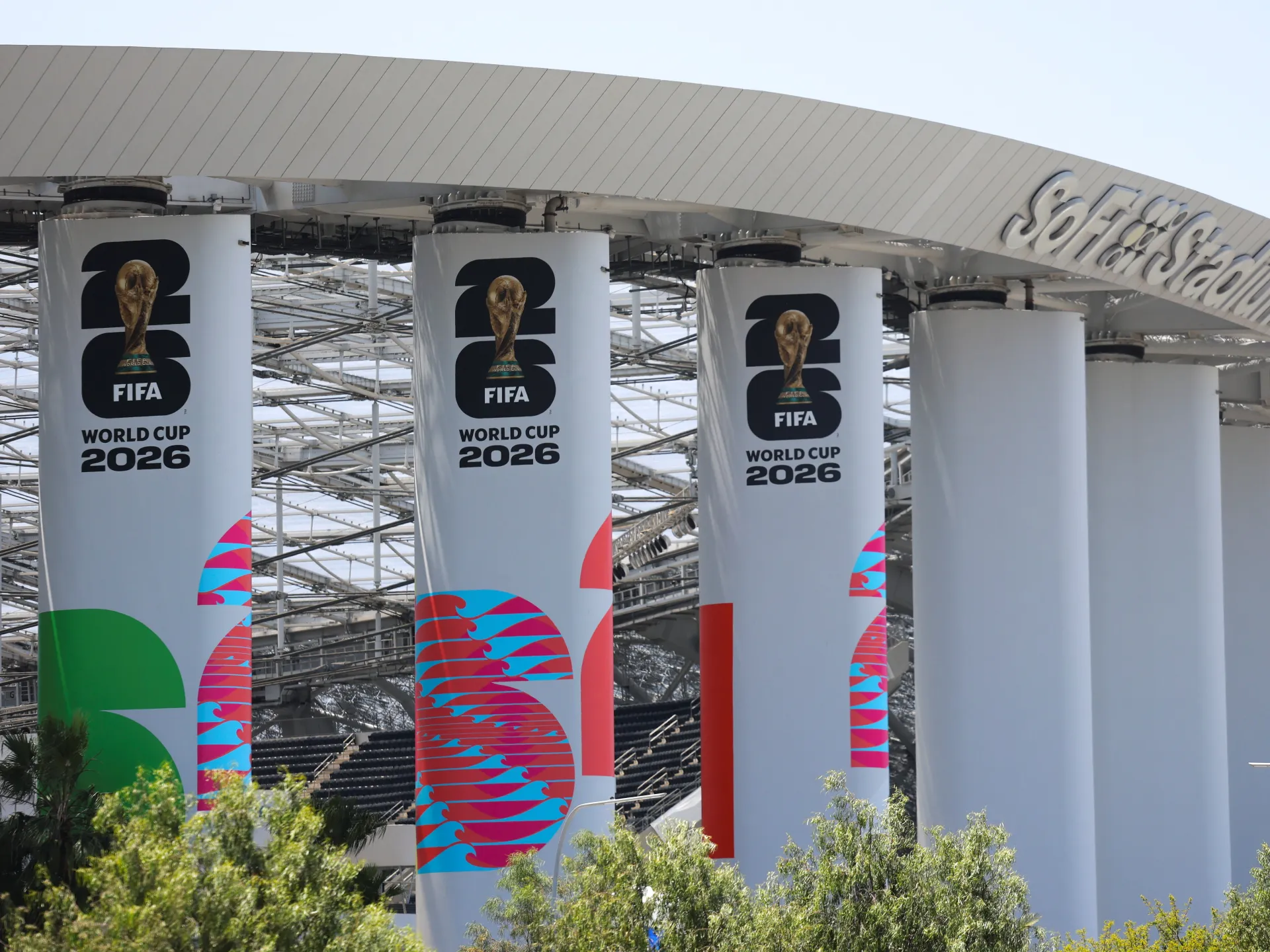
Host cities across the United States and Canada are confronting a significant shortfall in anticipated economic benefits for the 2026 FIFA World Cup, as lower-than-expected hotel occupancy and prohibitive ticket costs deter both international and domestic travellers. The American Hotel and Lodging Association reports that 80 per cent of hotel bookings are below expectations, with New York City, Seattle, and Vancouver recording rates as low as 65 per cent of projected summer levels. This decline raises serious questions about the viability of the economic projections that originally justified the tournament’s hosting fees.
The primary deterrents for international attendance appear to be regulatory and geopolitical. Although the Trump administration waived the $15,000 visa bond programme for ticket holders in May, visa processing delays persist, creating uncertainty for foreign visitors. The American Civil Liberties Union has issued warnings regarding the political climate, while the American Hotel and Lodging Association notes that 70 per cent of respondents cited visa barriers and geopolitical turmoil as major factors in their decision not to travel. Consequently, foreign travellers now account for a negligible portion of flight bookings, with domestic tourists comprising nearly 70 per cent of air travel to host cities.
Domestic demand is similarly constrained by inflationary pressures and stagnant wages. The American Automobile Association reports that gas prices have risen to $4.16 per gallon, up from $2.98 in late February, squeezing discretionary spending for local fans. Despite these headwinds, some industry leaders remain optimistic about short-lead domestic bookings. Airbnb CEO Brian Chesky stated that the company expects more bookings for the tournament than for any event in its history, although listings near MetLife Stadium for the July 19 final are priced at over $5,600 for two nights.
The pricing strategy employed by FIFA has drawn intense scrutiny from state authorities and consumer advocates. Resale ticket prices have dropped 11 per cent in the last month, prompting inquiries from the Attorneys General of New York and New Jersey into potential market manipulation. While FIFA President Gianni Infantino defended dynamic pricing as a reflection of market rates, the cost has excluded many local residents. In response, New York Mayor Zohran Mamdani and Governor Kathy Hochul announced a partnership with Global Citizen to host a free watch party for 50,000 people in Central Park for the final, aiming to provide equitable access to the event.
Amidst the economic uncertainty, city officials are leveraging the tournament to accelerate long-term infrastructure projects. Houston has launched the Green Corridor, a network of transit and cycling routes, while Kansas City has opened a new streetcar extension and increased bus services. However, these developments are not without controversy; Kansas City Mayor Quinton Lucas faces criticism over a proposal to open a jail as part of broader infrastructure efforts, which critics allege targets the unhoused population. As the games approach, the focus for many municipalities has shifted from immediate tourism revenue to testing sustainable transit models and managing social equity.