World Cup 2026: High ticket costs and NBA dominance stifle US public enthusiasm
Despite high-profile promotions featuring Lionel Messi, the 2026 FIFA World Cup faces a subdued reception in the United States, overshadowed by the NBA Finals and prohibitive ticket prices.
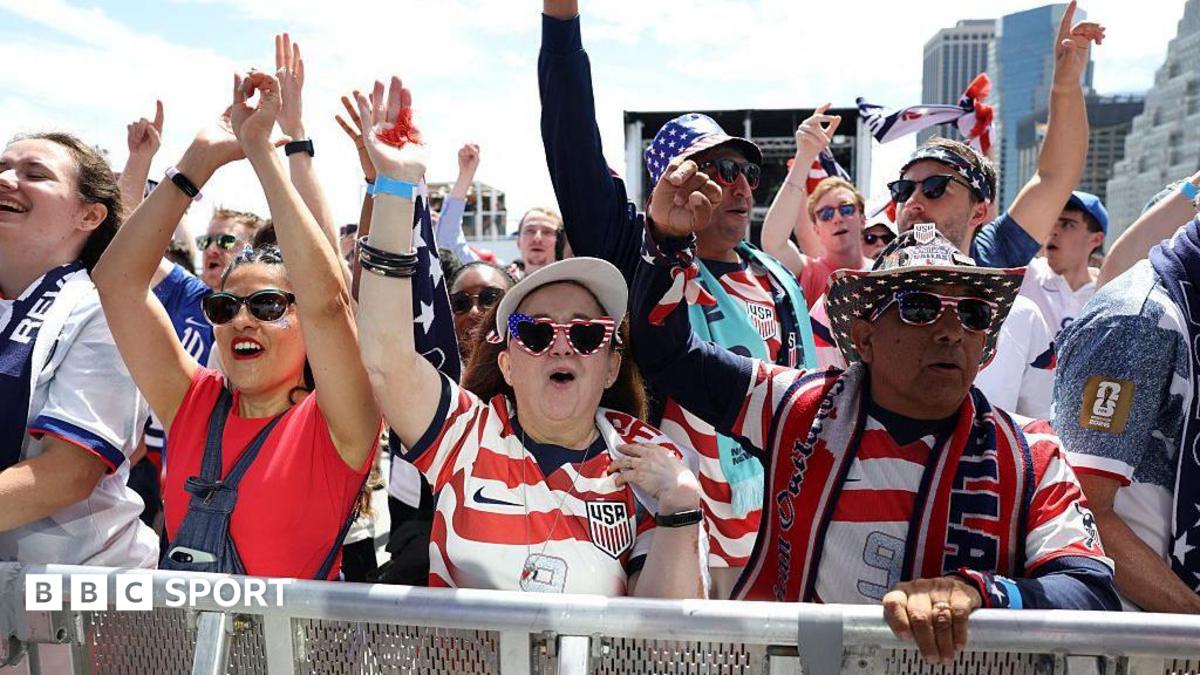
As the 2026 FIFA World Cup commences in the United States, public enthusiasm remains notably subdued compared to the concurrent excitement surrounding the NBA Finals. Recent polling indicates that approximately half of Americans surveyed are indifferent to the tournament, a sentiment that contrasts sharply with the wild celebrations witnessed in New York City for the New York Knicks’ historic comeback against the San Antonio Spurs. While basketball dominates the cultural conversation, football has yet to secure a comparable foothold in the American sporting psyche.
In New York, where the tournament’s presence is marked by subway trains in national team colours and giant billboards featuring Lionel Messi, local focus remains firmly on the Knicks, who lead the series 3-1. Many residents interviewed by BBC Sport admitted to having little interest in the World Cup, with one fan stating they had not kept up with the tournament because the basketball series had taken over the city. This apathy extends to other major host cities; in Los Angeles, despite visible branding and a large mural of Messi, a taxi driver expressed surprise that the event was even underway.
The financial barrier to entry has further limited grassroots engagement. Tickets for the USA’s opening match against Paraguay in Inglewood, California, were reported at $1,120 for the cheapest seats, pricing out many families and general fans. In downtown Los Angeles, several local families expressed excitement for the tournament but confirmed they would watch from home due to the prohibitive costs and limited availability. Organisers acknowledge that while the build-up has been slow, they anticipate a surge in engagement as the tournament progresses.
Interest appears to be growing among specific demographics, particularly the younger generation who did not experience the 1994 World Cup. A 30-minute training session for the US team recently saw 30,000 fans register interest for only 5,000 available tickets, suggesting a latent demand. Additionally, US players have engaged in unconventional marketing strategies, such as Malik Tillman appearing on a fashion magazine cover, to broaden the sport’s appeal beyond traditional football supporters.
The long-term impact on American football culture may depend heavily on the national team’s performance. The 1994 tournament is credited with boosting the sport’s popularity and paving the way for Major League Soccer, and organisers hope a strong run by the US squad will replicate that success. However, for now, the tournament begins with a significant awareness gap, with some international fans in Boston reporting that locals were unaware of the World Cup’s existence despite the presence of visiting supporters.