World Cup 2026: Geopolitical Friction and Domestic Unrest Overshadow Tournament Launch
From ticket revocations for Iranian supporters to protests in Mexico City and referee entry denials, the build-up to the June 11 kickoff is defined by institutional and logistical challenges rather than sporting anticipation.
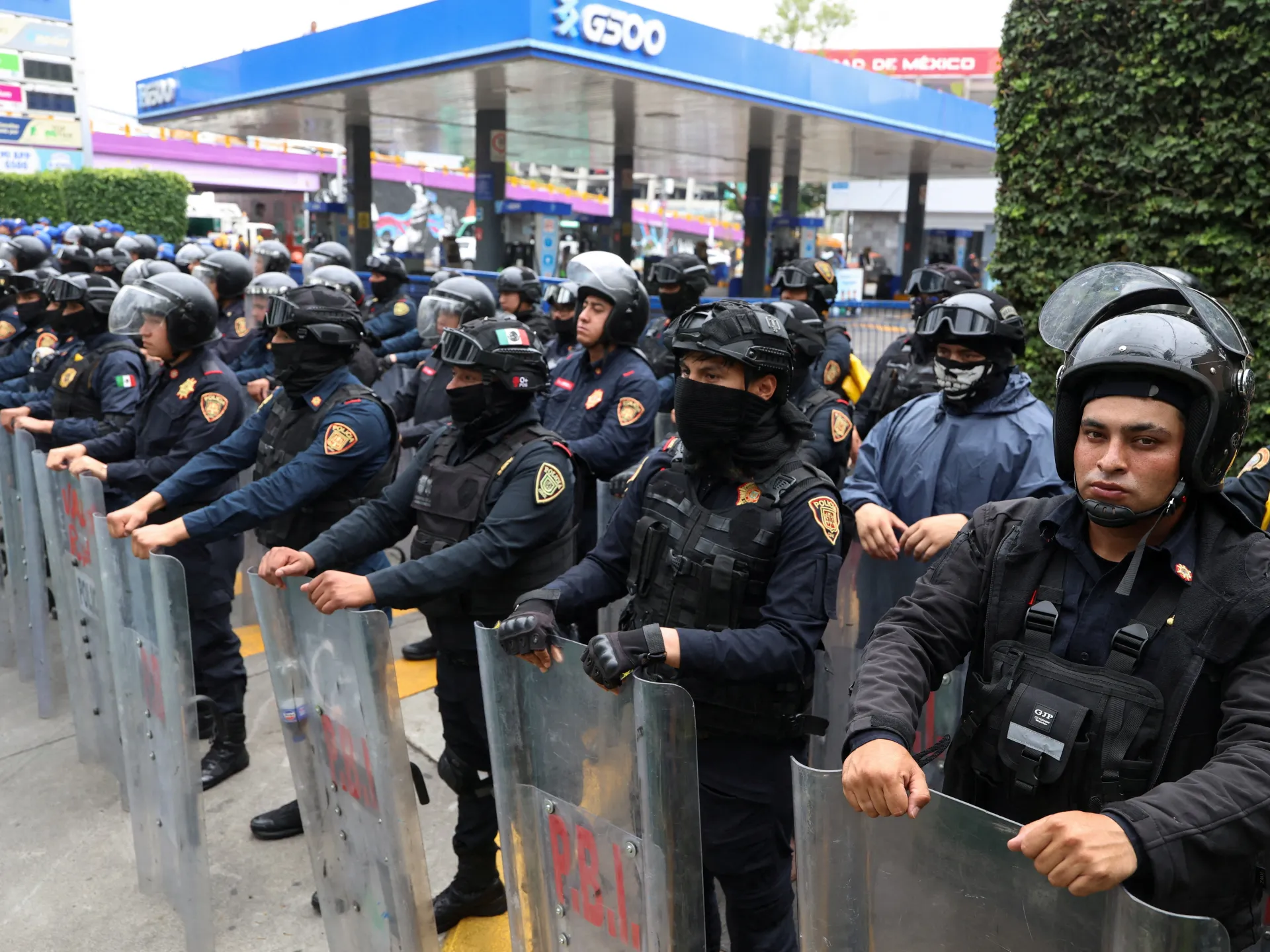
The expanded 48-team FIFA World Cup, co-hosted by the United States, Canada, and Mexico, is set to commence on June 11 with the opening match between Mexico and South Africa at Estadio Azteca in Mexico City. However, the final 24-hour build-up has been dominated by political tensions, logistical disputes, and fitness concerns rather than sporting anticipation. Key issues include the Iranian Football Federation’s accusation that the US has revoked ticket allocations for its supporters amid ongoing geopolitical tensions following US-Israeli attacks on Iran. In Mexico City, heightened security measures are in place due to threats of road closures by the National Coordinating Body of Education Workers (CNTE) and demonstrations by families of missing persons. Additionally, Somali referee Omar Artan was denied entry to the US by the Trump administration over alleged links to terror organisations, while England coach Thomas Tuchel confirmed that winger Bukayo Saka is still recovering from an Achilles injury.
The Iranian Football Federation (FFIRI) has formally accused the US of withdrawing its allocated tickets for group stage games, citing bureaucratic hurdles and visa refusals for support staff. FFIRI stated that under the current circumstances, it is unable to provide even a single ticket to supporters. The federation attributes these obstructions to the ongoing conflict following US-Israeli attacks on Iran on February 28, noting that the two countries have effectively remained at war since that date. Neither FIFA nor US organisers have publicly commented on these accusations, leaving the dispute unresolved as the tournament approaches.
Security has been significantly increased in Mexico City ahead of the opening match, following threats from the National Coordinating Body of Education Workers (CNTE). The union has been on strike since last week, demanding salary raises and the reversal of a pension law that the government deems unfeasible. CNTE members are threatening road closures around Estadio Azteca, with demonstrations also expected to include families of over 130,000 missing persons who allege involvement by authorities or criminal gangs. President Claudia Sheinbaum has assured the public that the game will proceed despite the unrest.
In a separate diplomatic incident, Somali referee Omar Artan was denied entry to the US by the Trump administration, with officials citing links to "suspected members of terror organisations." Artan returned to Somalia, describing the decision as "fate" and thanking FIFA for its support. FIFA stated that it is not responsible for visa processes in host countries, distancing the governing body from the administrative decision that has barred the referee from officiating at the tournament.
On the pitch, England coach Thomas Tuchel confirmed that winger Bukayo Saka is still recovering from an Achilles injury sustained in March. Saka is not at 100% fitness but is being carefully managed in training ahead of England’s final friendly against Costa Rica in Orlando on Wednesday. Meanwhile, other teams are finalising their preparations, with Portugal scheduled to play Nigeria before departing for North America, and Algeria set to face Bolivia in a behind-closed-doors fixture.