WNBA officiating under scrutiny after controversial call against Caitlin Clark
Fans and commentators question the consistency of officiating as the league navigates heightened physical play and social tensions.
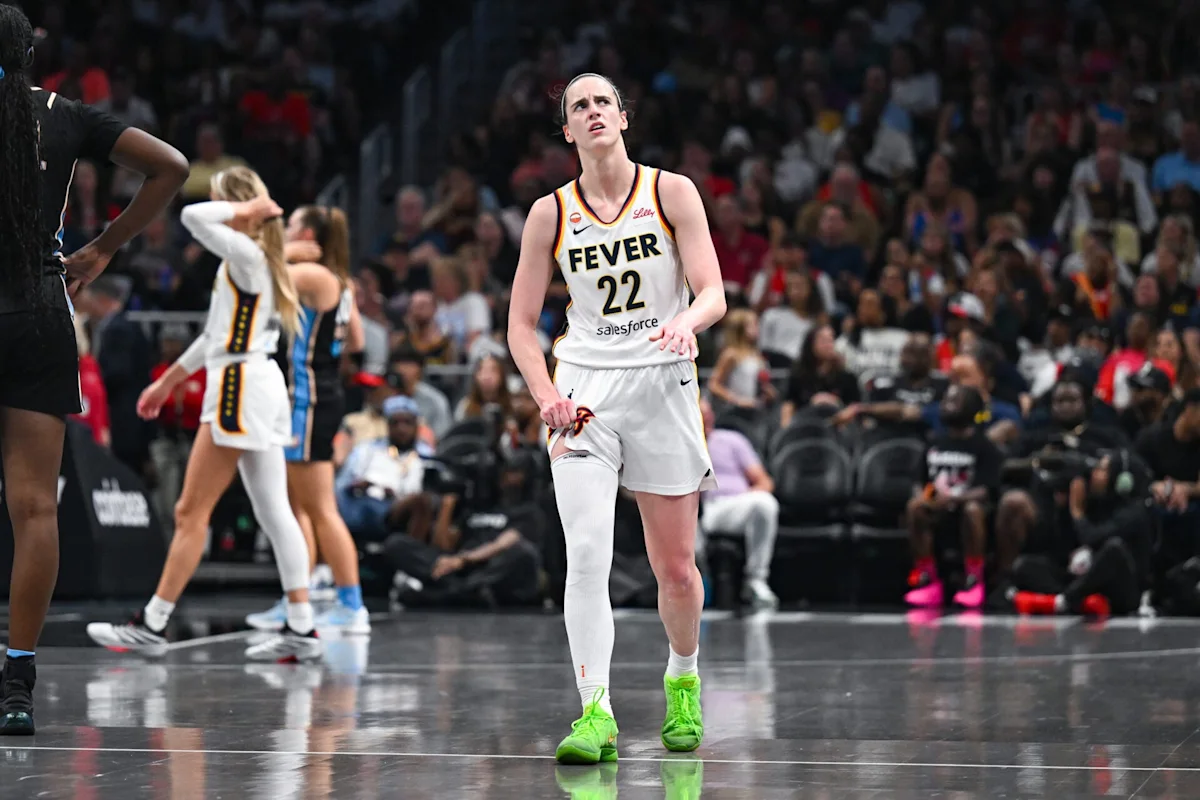
The WNBA’s officiating standards have come under renewed scrutiny following a controversial foul call against Indiana Fever guard Caitlin Clark during the team’s victory over the Atlanta Dream. The incident has reignited broader debates regarding rookie treatment, physical play, and the consistency of rule enforcement within the league.
During the match, Clark was penalised for contact with Rhyne Howard during a three-point attempt. The decision stood after an official review, despite immediate challenges from the Fever. The call has drawn widespread criticism on social media, with fans expressing disbelief at the outcome and questioning the officiating protocols.
The friction surrounding Clark is often attributed to a combination of rookie initiation, intense media spotlight, and the physical nature of the game. Supporters have pointed to previous instances of hard contact, such as an away-from-the-ball shoulder block by Chennedy Carter and heated battles with college rival Angel Reese, as evidence of unfair targeting.
While some argue that referees are failing to protect the star guard, WNBA veterans maintain that rough defence and hard fouls are standard elements of the "welcome-to-the-league" experience for rookies. However, the specific call against Clark has been described by an ESPN commentator as so severe that they would be "shocked" if it were not overturned.
Despite the controversy, Clark recorded 26 points, nine assists, and three rebounds in 41 minutes of action. The incident adds to a complex backdrop for the league, which has recently navigated discussions around player safety and social tensions, including previous ejections involving Flagrant 2 fouls.
The exact reasoning behind the referees’ decision to uphold the call remains unclear, as no official explanation was provided. The controversy highlights ongoing challenges for the WNBA in balancing consistent officiating with the physical demands of the sport and the heightened attention on its most prominent players.