WNBA governance under scrutiny as All-Star festivities overshadowed by safety and conduct controversies
Toronto Tempo coach Sandy Brondello and Phoenix Mercury forward Alyssa Thomas received one-game suspensions, while Commissioner Cathy Engelbert convenes with player committees to address escalating social media harassment and broader institutional tensions.
The WNBA’s All-Star festivities have been eclipsed by a series of governance and conduct controversies, intensifying scrutiny on league leadership regarding player safety and institutional oversight. Toronto Tempo coach Sandy Brondello was suspended for one game after referring to Atlanta Dream forward Angel Reese as a “protected species.” While the phrase is a common expression of frustration in Australian sports, it was deemed derogatory in the United States context, prompting the league’s retroactive disciplinary action. Brondello issued an apology, which Reese accepted, highlighting the cultural friction inherent in the league’s expanding international footprint.
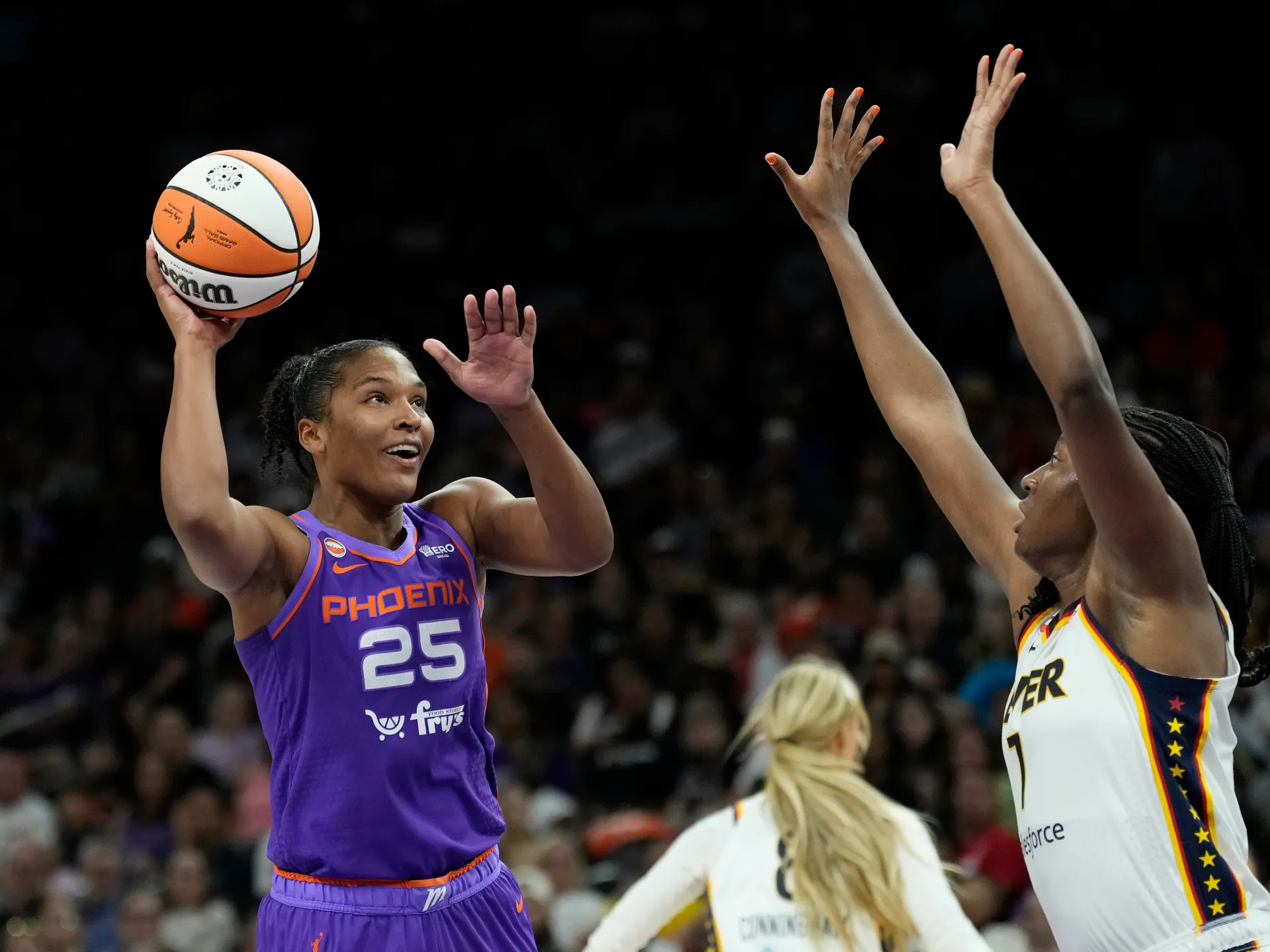
Concurrently, Phoenix Mercury forward Alyssa Thomas was suspended for one game following a flagrant foul assessment against Indiana Fever guard Caitlin Clark. Thomas described the contact with Clark’s throat as accidental, yet the league’s decision has ignited broader debates regarding officiating consistency and the physicality of the game. The incident has drawn commentary from coaches, pundits, and lawmakers, reflecting the heightened stakes surrounding high-profile players in the current competitive landscape.
Beyond on-court conduct, players have expressed significant frustration with the league’s response to online harassment. Commissioner Cathy Engelbert met with player committees this week to discuss enhanced protections against social media abuse. The urgency of these discussions is underscored by reports of death threats and racial slurs directed at players, including a recent post by Las Vegas Aces guard Chelsea Gray containing a racial slur. The WNBA’s increased visibility has amplified these incidents, creating a volatile digital environment that leadership is now compelled to address formally.
Tensions regarding gender and representation have also permeated the discourse. Indiana forward Sophie Cunningham faced backlash for comments regarding transgender athletes, stating a desire to protect young girls in sport. This exchange was further complicated by revelations from Las Vegas Aces guard Brianna Turner, who disclosed that the Indiana Fever fired a male employee for sexual harassment last season and encouraged players not to discuss the matter. Turner subsequently defended transgender athletes, illustrating the complex interplay of workplace safety and social issues within the league.
Sports economist David Berri noted that the heightened scrutiny is a direct result of the league’s increased media coverage and financial growth. He argued that such attention is an inevitable byproduct of success, citing the NFL’s Rooney Rule as a precedent for how major sports leagues navigate public discourse. Despite the turmoil, the league continues to expand, with landmark collective bargaining agreements and skyrocketing player recognition defining this transformative period.
However, the volume of external commentary has taken a toll on the athletes. Caitlin Clark described the media attention as “emotionally exhausting,” noting that conversations often prioritise controversy over basketball. Ketra Armstrong, a sport management professor at the University of Michigan, observed that while the league’s progress is celebratory, the perils of race and representation remain persistent challenges. The current disarray suggests that the WNBA must now balance its commercial growth with robust institutional safeguards for its players.