WNBA eligibility crisis deepens as political pressure mounts over draft rules
League commissioner Cathy Engelbert signals upcoming policy review as the WNBA navigates a dispute that has drawn support from the White House and condemnation from the players’ union.
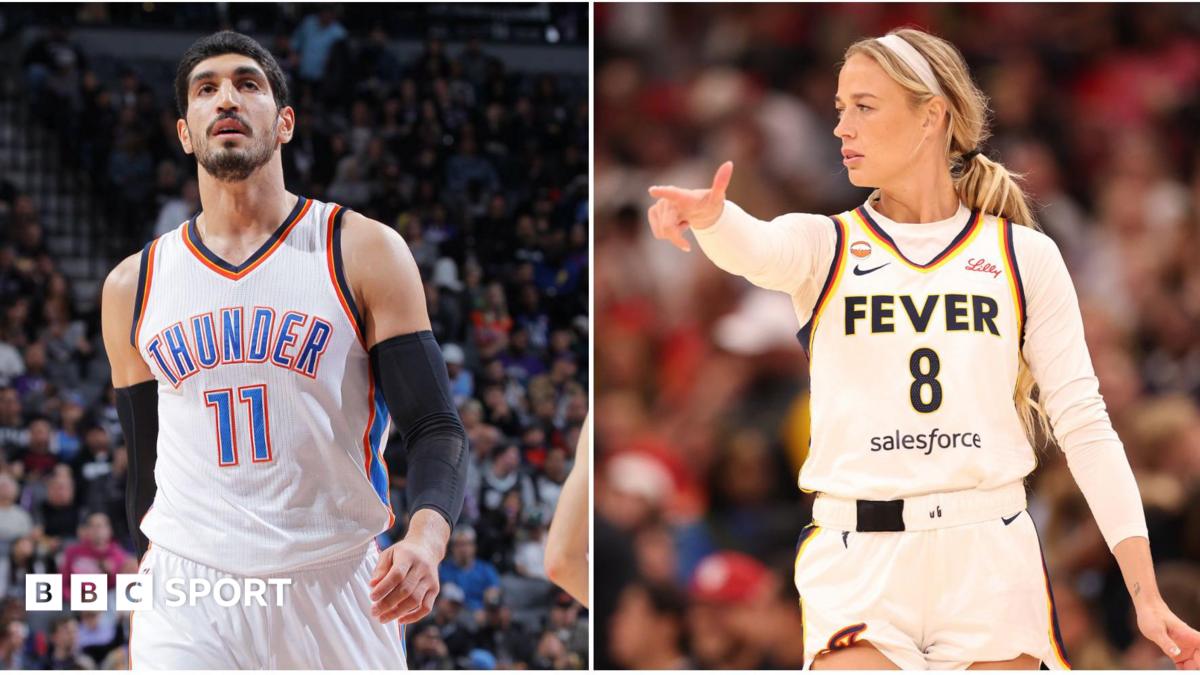
The WNBA’s 2026 season has been overshadowed by a governance dispute regarding player eligibility, intensified by comments from Indiana Fever guard Sophie Cunningham and subsequent declarations by former male NBA players. Cunningham, one of the league’s most prominent athletes, stated it was "common sense" to ban transgender women from women’s sports, arguing for the protection of young girls in competitive environments. Her remarks have escalated into a broader political and institutional conflict, drawing direct support from US President Donald Trump and Vice-President JD Vance, while triggering a strong response from the WNBA Players Association (WNBPA).
The controversy has taken a procedural turn with former NBA players Enes Kanter Freedom and Royce White declaring their intention to enter the 2027 WNBA Draft. Both athletes cited the league’s collective bargaining agreement (CBA), which defines eligibility solely by gender, as the basis for their claims. Kanter Freedom argued that if self-declaration is the primary requirement, he meets the criteria to compete. White, a former NBA player and Republican Senate candidate, stated he identifies "as sometimes identifying as a woman for purpose of basketball." Their actions have exposed the ambiguity in the CBA’s eligibility language, prompting questions about whether the current framework is a deliberate design or an oversight requiring tightening.
In response to the growing unrest, WNBA Commissioner Cathy Engelbert has indicated that eligibility rules will be a central topic at an upcoming meeting with team presidents. In a memo circulated to teams, Engelbert emphasised that the league would approach the issue "thoughtfully, respectfully, and in alignment with the longstanding values of our league." She noted that player eligibility rules are collectively bargained and that preserving the integrity of the game and ensuring fair competition remain the league’s highest priorities. The WNBA has not issued a broader public statement on the specific declarations, leaving the interpretation of the CBA to be resolved through internal governance channels.
The dispute has fractured the league’s culture, with significant divergence between player leadership, team officials, and political figures. The WNBPA issued a statement denouncing "hate abuse and demonisation of the transgender community," reaffirming its commitment to diversity and inclusion. Minnesota Lynx head coach Cheryl Reeve publicly challenged the narrative that transgender athletes are the primary issue in women’s sports, wearing a "Trans Kids Belong" T-shirt during a recent match. Conversely, Seattle Storm co-owner Celeste Keaton was suspended for five home games after confronting fans displaying signs thanking Cunningham, an incident for which the Storm organisation has since apologised.
As the debate extends beyond the court, the WNBA faces increasing pressure to clarify its stance amidst a shifting global sporting landscape. Several international governing bodies, including those for athletics and aquatics, have moved toward restricting transgender women’s participation, and the International Olympic Committee has announced that the women’s category at the 2028 Los Angeles Games will be limited to biological females. While Cunningham has expressed a desire to return the focus to basketball, the institutional and political ramifications of the eligibility row suggest the WNBA must address these structural questions before the 2027 Draft season begins.