WMO warns wildfires and heatwaves are eroding air-quality gains
The World Meteorological Organisation says worsening fires and heatwaves are increasing exposure to PM2.5 pollution and ground-level ozone, with consequences for health and ecosystems.
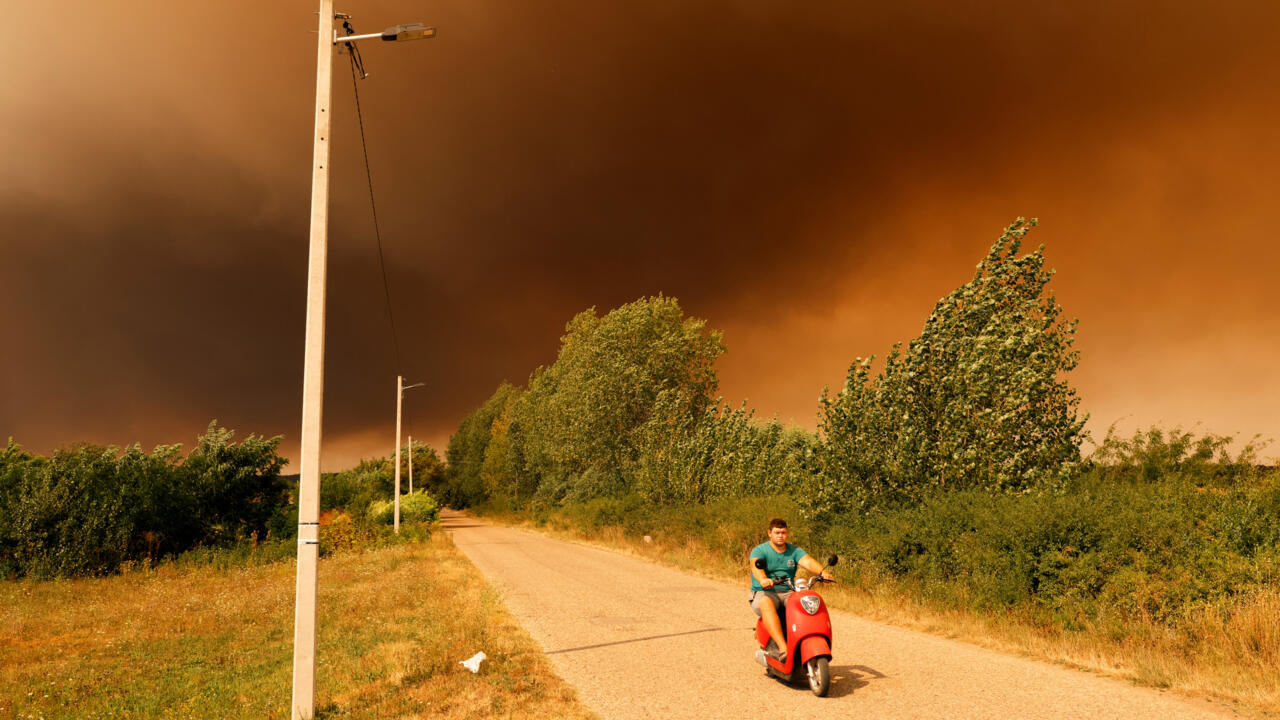
Increasingly severe wildfires and heatwaves are threatening global efforts to improve air quality and protect human health, the World Meteorological Organisation has warned.
The United Nations weather and climate agency said exposure to fire-related PM2.5 pollution had increased in Europe and North America despite reductions in industrial and transport emissions. PM2.5 particles, smaller than 2.5 micrometres, can penetrate the lungs and bloodstream.
The WMO said conventional risk models may underestimate wildfire-attributable mortality by up to 93 per cent. A study cited in its Air Quality and Climate Bulletin estimated that extreme fire-smoke events had tripled globally since the 1990s and contributed to nearly 100,000 additional deaths annually between 2010 and 2018. The figures are estimates and may be understated.
Heatwaves can also increase exposure to ground-level ozone when temperatures rise, atmospheric conditions stagnate and solar radiation is intense. The WMO said this could potentially lead to tens of thousands of additional premature deaths, particularly from respiratory diseases.
Smoke and ozone can travel far from their sources, affecting people, wildlife and ecosystems. The agency also warned that black carbon deposited on snow and ice can reduce reflectivity and accelerate melting.
The WMO called for coordinated climate and air-quality policies, arguing the issues cannot be addressed separately, as well as improved monitoring of aerosols, fine particles, ozone and airborne microplastics.