WMO warns erratic water cycle raises global drought and flood risks
The World Meteorological Organization reports that 2025 marked one of the driest years for global rivers in over three decades, driven by climate change and rising consumption.
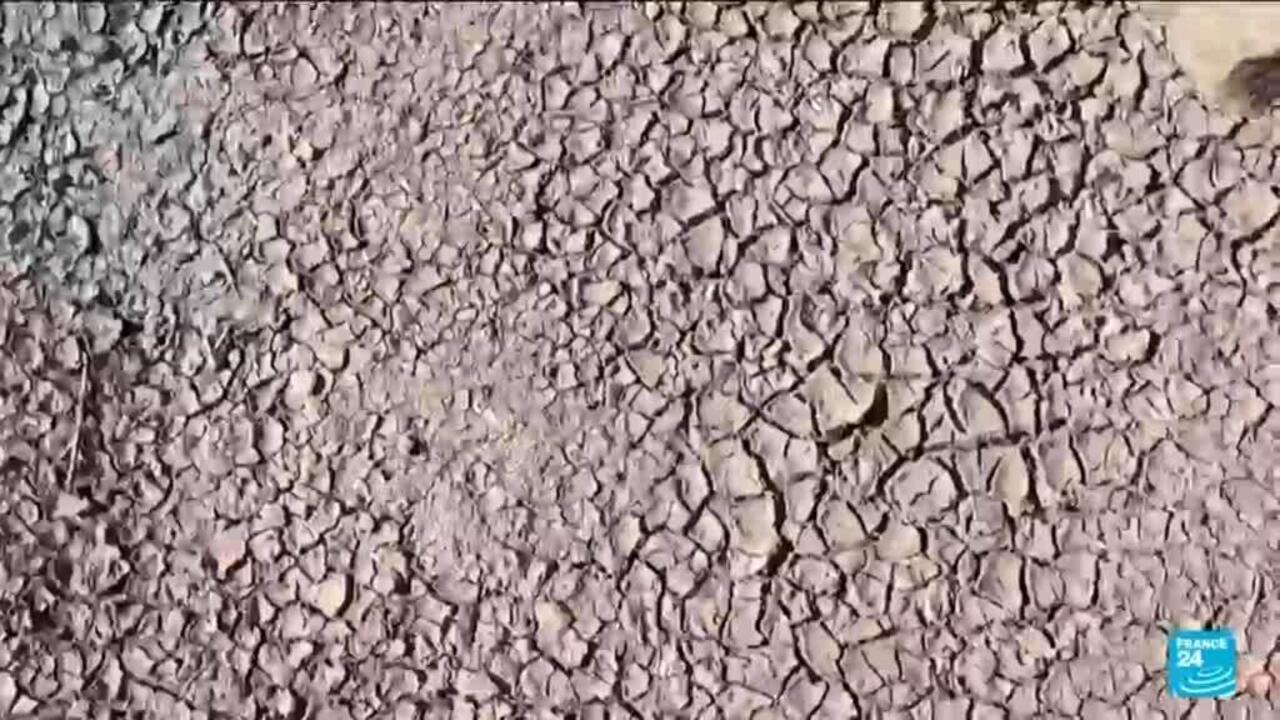
The World Meteorological Organization (WMO) has issued a warning that the global water cycle is becoming increasingly erratic, a shift that elevates the risk of both severe droughts and floods. The agency’s assessment highlights a critical vulnerability in global water security, linking the instability directly to the dual pressures of climate change and growing water use.
According to the WMO, the world’s rivers experienced one of their driest years in more than three decades in 2025. This significant drop in river flow underscores the immediate impact of shifting precipitation patterns and reduced runoff on major waterways across the globe.
The report notes that these conditions are occurring against a backdrop of continued glacier retreat. As these ice masses diminish, the long-term storage of freshwater is compromised, further straining the availability of water resources in regions dependent on glacial melt.
Freshwater reserves have also been in a state of decline, according to the agency. This downward trend in stored water exacerbates the challenges posed by the dry river conditions observed in 2025, suggesting a broader contraction in the global freshwater supply.
The WMO attributes the increasing unpredictability of the water cycle to the combined effects of a warming climate and rising human consumption. This interplay is making it more difficult for governments and institutions to manage water distribution and prepare for extreme weather events.
The agency’s findings suggest that the risk of simultaneous or alternating extremes—droughts and floods—is on the rise. This heightened volatility poses a significant challenge for policy makers tasked with securing water supplies for agriculture, industry, and domestic use.