Wizards’ $212m Young deal signals strategic pivot amid NBA lottery reforms
The four-year, $212 million agreement, reported by ESPN and The Athletic, positions the franchise for middle-of-the-pack competitiveness rather than championship contention, a strategy aligned with the NBA’s recent anti-tanking measures.
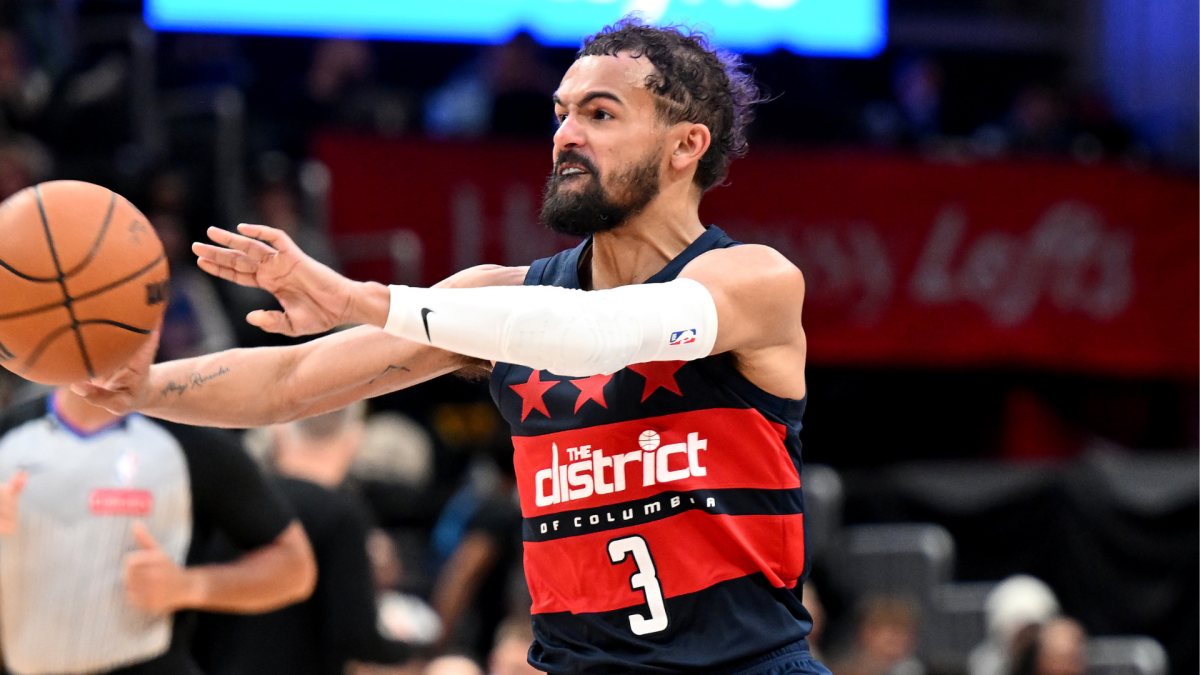
The Washington Wizards have agreed to a four-year contract worth approximately $212 million with four-time All-Star point guard Trae Young. Reported by ESPN and The Athletic, the deal carries an average annual value of $53 million, representing a near-max salary that analysts characterise as a significant overpay. The agreement arrives shortly after the NBA approved new lottery reforms, a timing that has prompted scrutiny regarding the franchise’s long-term strategic direction.
The financial structure of the contract has drawn immediate comparison to other recent high-value deals in the league. The average annual value of Young’s agreement exceeds that of New York Knicks guard Jalen Brunson by $14 million, despite Brunson recently winning the NBA Finals MVP award. Furthermore, the deal is viewed as less favourable on paper than the four-year, $229 million contract signed by De’Aaron Fox with the San Antonio Spurs, although the Spurs’ roster construction, which retains three best players on rookie contracts, provides a different contextual baseline.
According to reporting from The Athletic, Wizards decision-makers became convinced in recent weeks that Young would command maximum-salary offers from other franchises. This assessment appears linked to the NBA’s approval of the “3-2-1” lottery reform proposal at the end of May. The reforms shifted the best odds for the number one overall pick to teams finishing between the fourth-worst and 10th-worst records, while reducing the odds for the three worst teams from 14 per cent to 5.4 per cent.
This structural change removes the incentive for teams to finish in the bottom three, creating a maximum incentive to maintain a middle-of-the-pack, non-playoff record. Analysts suggest Young’s offensive capabilities are particularly suited to this new reality. His ability to average high points and assists allows the Wizards to remain competitive without risking a bottom-three record, while simultaneously limiting their chances of rising above the second play-in game, where their draft odds would revert to the lower 5.4 per cent.
The Wizards’ front office appears to be making a strategic bet that the remainder of the roster can compensate for Young’s defensive shortcomings. By leveraging his offensive output, the franchise aims to secure a functional team identity that protects its draft position while avoiding the pitfalls of tanking. The deal effectively locks Young into a role that aligns with the new incentives of the league, even if the financial valuation is considered extreme relative to peer performers.