Witi Ihimaera’s Woman Far Walking reaches Australia with its Māori perspective intact
The bilingual production brings Ihimaera’s play about Māori survival, colonisation and the Treaty of Waitangi to Brisbane, 26 years after its Wellington premiere.
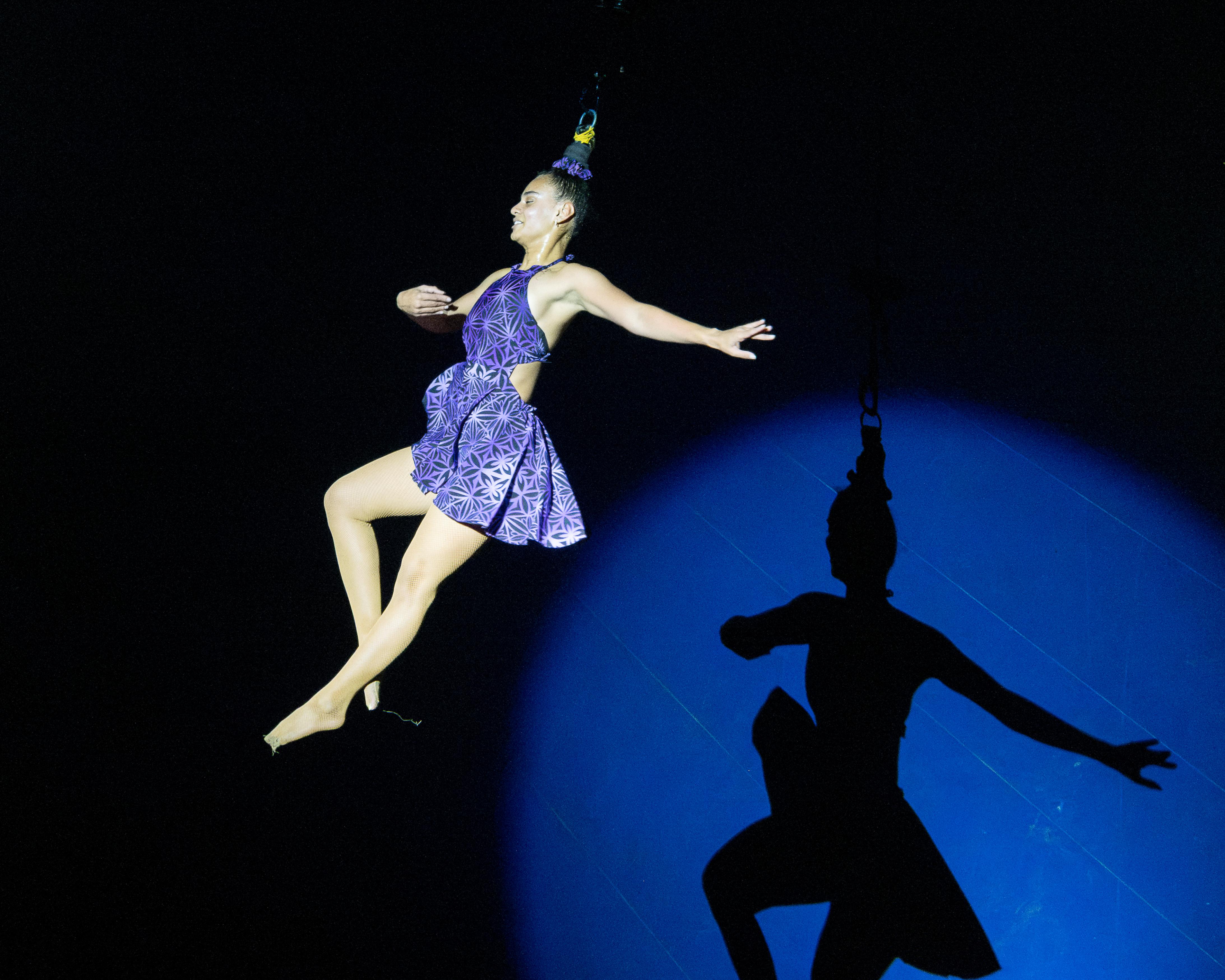
Witi Ihimaera’s Woman Far Walking is receiving its Australian premiere at Brisbane Festival, bringing a Māori account of colonisation and survival to Brisbane Powerhouse from 10 to 13 September.
The play follows Tiriti o Waitangi Mahana, a fictional Māori woman born in 1840 who has witnessed 186 years of Māori experience under colonisation. Named for the Treaty of Waitangi, she is a character shaped by the political tensions surrounding the document and its contested legacy.
The production’s new bilingual adaptation, directed by Katie Wolfe and starring Miriama McDowell as Tiri, begins with an acknowledgement that the play and its audience are on Turrbal country in Meanjin/Brisbane. The opening places the work’s New Zealand history alongside the local Indigenous context, including Queensland’s ongoing struggle for treaty.
Woman Far Walking premiered in Wellington in 2000. Ihimaera told The Guardian that some audiences responded with anger and hostility, amid resistance to confronting Māori losses of lives, land and language. The Treaty remains central to debates over sovereignty, Māori rights, land, language and health, with major discrepancies between its English and Māori texts.
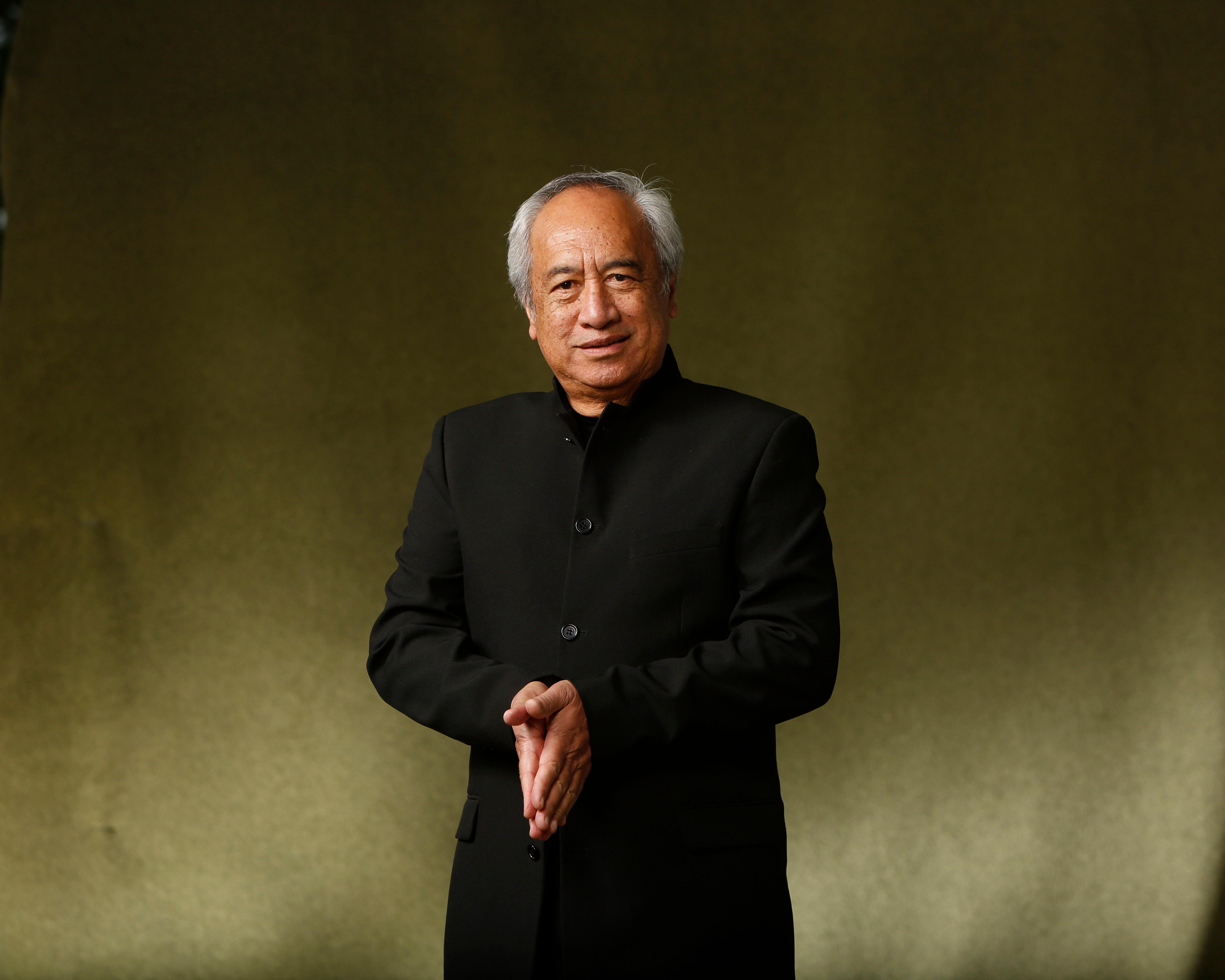
Ihimaera, now 82, is known for The Whale Rider and more than 40 works for adults and children. After studying te reo Māori in his eighties, he has written his first book entirely in the language, due for publication next year.
His connections with Australia run deep: he previously served as a diplomat in Canberra and has long-standing relationships with Indigenous Australian writers and activists. For Brisbane audiences, the production extends a work whose central insistence is that Indigenous perspectives must continue to be brought into public view.