WIRED’s updated guide ranks kitchen composters, with Reencle Prime named top pick
After two years of testing, WIRED’s new buying guide clarifies that most electric kitchen composters primarily grind and dry waste, with the Reencle Prime identified as the closest alternative to traditional composting.
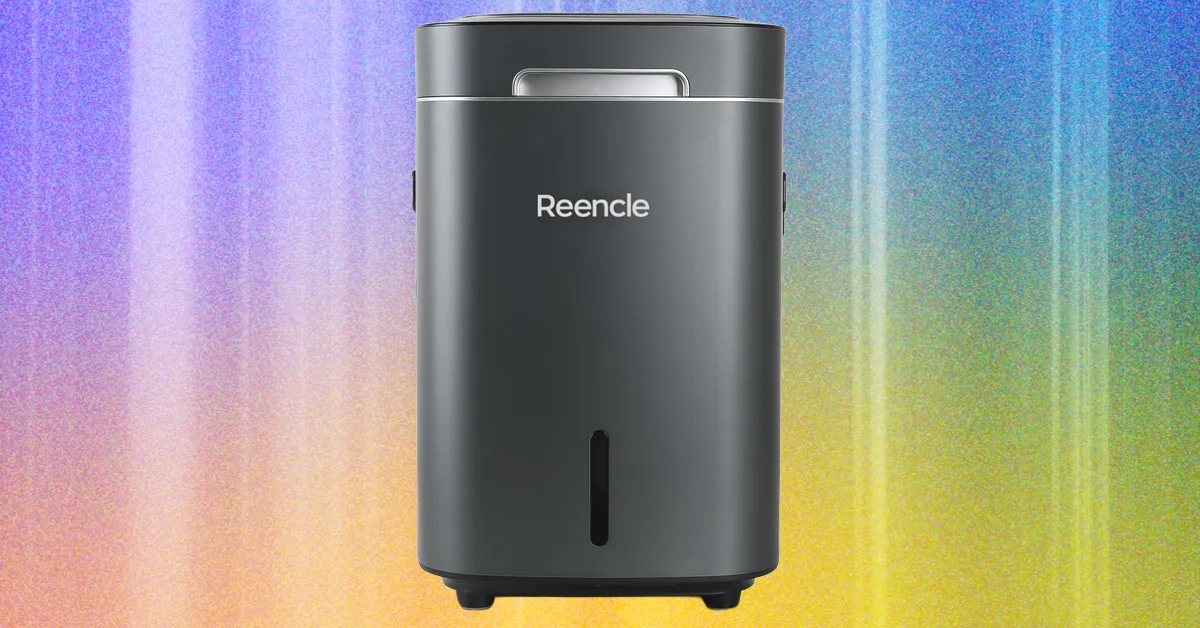
WIRED has published an updated buying guide for electric kitchen composters and food recyclers, based on two years of rigorous testing. The review evaluates several popular devices, including the Reencle Prime, Lomi 3, FoodCycler Eco 3, and The Mill, while noting a key distinction in the market: most machines marketed as composters primarily grind and dry food scraps rather than producing fully decomposed compost.
The Reencle Prime is identified as the top pick in the guide, earning a rating of 8/10. The device is noted for its ability to produce material resembling a cross between dirt and sawdust, which can be mixed with potting soil. Unlike other models, the Reencle Prime can accept meat and dairy, and it operates with a simple sensor-activated lid, requiring no specific cycles or auxiliary buckets.
For consumers primarily interested in volume reduction, the Lomi 3 and FoodCycler Eco 3 are recommended. The Lomi 3 is highlighted as the best grind-and-dry processor, featuring a new 3-litre countertop bucket and simplified operation compared to its predecessor. The FoodCycler Eco 3 is praised for its fine grinding capability, although the reviewer noted that the unit began producing groaning and creaking noises after six months of regular use.
The guide also introduces new testing notes on the bokashi method, specifically regarding the Bokashi Living bucket. This anaerobic fermentation process, invented in Japan in the 1980s, is presented as an alternative to electric devices, though the reviewer found the smell and maintenance requirements challenging for household use.
Other devices evaluated include The Mill, which is noted for its ease of use and a unique feature allowing users to ship grounds to a farm in Washington state for chicken feed. The GEME Terra II, described as the largest and bulkiest unit tested, was criticised for an unclear role for its "AI-powered" features and a constant fan noise of 46 decibels.
The update, published in August 2026, includes revised prices and links, as well as a comparison table. The guide emphasises that while these devices do not all create ready-to-use compost, they offer value by reducing the volume of household food waste, which makes up 24 per cent of municipal solid waste.