WIRED updates 2026 posture corrector guide, prioritising consistency over quick fixes
The updated guide from WIRED recommends specific devices for improving body alignment, noting that posture correctors serve as reminders to sit mindfully rather than permanent solutions.
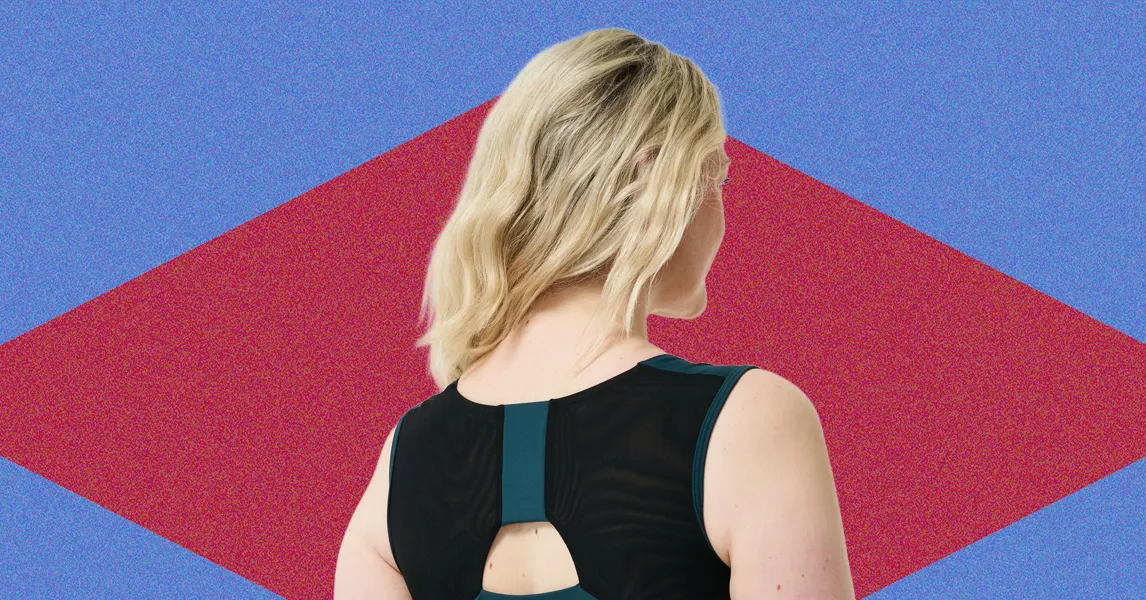
WIRED has released an updated guide to the best posture correctors for 2026, refining its product recommendations and removing discontinued items. The publication emphasises that consistency is the primary factor in improving body alignment, describing the devices as tools for building muscle memory rather than a magic fix for poor posture.
The guide highlights the ComfyBrace and Forme’s Smart Posture Jacket as top choices. The ComfyBrace is described as an adjustable orthopedic brace made from stretchy, breathable neoprene, designed to pull shoulders back and down. WIRED notes that the device is easy to wear over clothing and recommends easing into use with five to 10 minutes a day to build endurance.
For those seeking tech-enhanced options, the guide features Forme’s Smart Posture Jacket, priced at $399. The publication is currently testing this jacket alongside the Berlin & Daughter Posture Corrector, which costs $30, and is re-evaluating the Upright Go 2, priced at $100. These devices are positioned as alternatives for users who prefer supportive wearables over traditional braces.
The update also includes detailed reviews of other products, such as the Etalon Posture Bra at $199 and the BackEmbrace Posture Corrector at $70. The Etalon bra features six adjustable straps for even weight distribution, while the BackEmbrace offers lumbar support and a split-strap design that is machine washable. A low-cost alternative is also provided, suggesting a DIY method using a $10 Gaiam Yoga Strap for temporary shoulder support.
Medical context is provided by physician Matthew Smith of the Northwestern University Feinberg School of Medicine, who advises that poor posture can stem from genetics, injuries, or repetitive movements. Smith recommends using correctors only for short periods to avoid weakening core muscles, comparing the devices to training wheels that guide the body toward better alignment before letting muscles take over.
WIRED notes that there is limited clinical data comparing these gadgets, so its recommendations rely on firsthand experience and observation of posture changes. The guide concludes that the best posture corrector is one users will actually wear consistently, acting as a gentle reminder to sit or stand more mindfully in daily life.