WIRED Updates 2026 Merino Wool Guide with New Blends and Sustainability Warnings
The latest edition of WIRED’s clothing guide introduces merino-blend trousers and autumn arrivals, while cautioning consumers against greenwashing in the sourcing of renewable textiles.
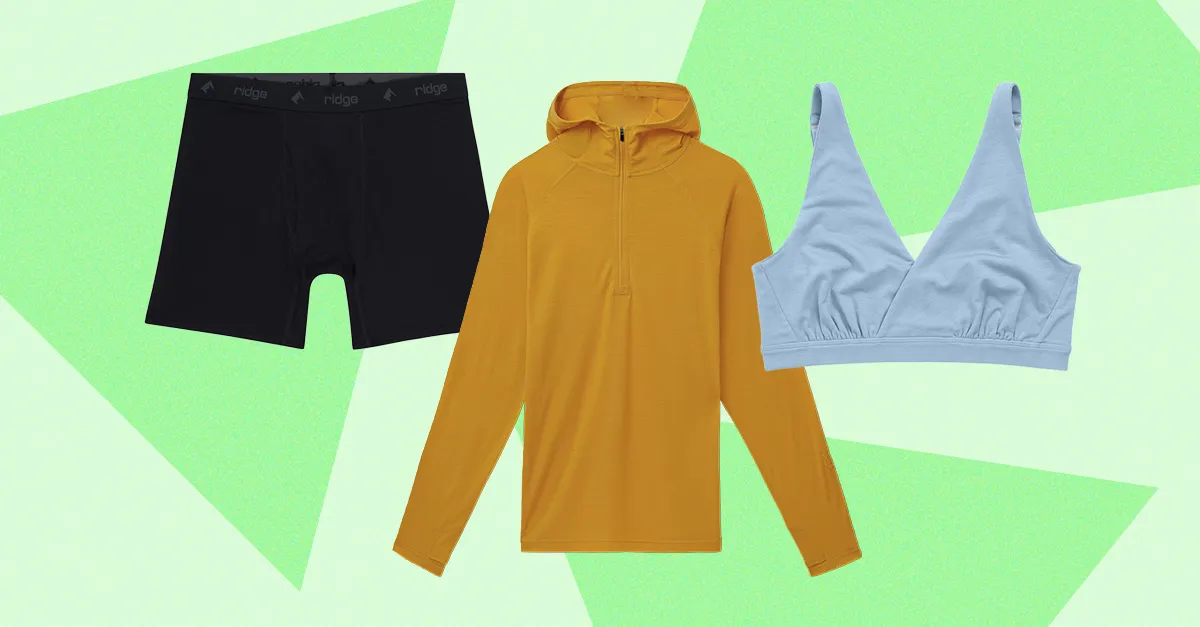
WIRED has published an updated guide for 2026 detailing its top picks for merino wool apparel, expanding its coverage to include merino-blend trousers and additional everyday wool clothing. The revision, released on 18 August 2026, swaps previously sold-out items for autumn 2026 new arrivals and updates prices throughout the publication. The guide covers base layers, hoodies, jackets, and trousers, emphasising the fabric’s thermoregulation capabilities and its superiority over synthetic alternatives in odour resistance and breathability.
The publication explains fabric weights using grams per square metre (GSM), noting that garments below 200 GSM serve as effective base layers, while those above 300 GSM function as heavier outerwear. WIRED highlights specific product recommendations, identifying the Ibex Woolies Pro Tech Crew as the best lightweight base layer, Smartwool Classic as a popular mid-weight option, and Unbound Merino as the best casual base layer. New additions to the guide include the Ridge Merino Cloudripper jacket, a hybrid of merino and grid fleece, and the Finisterre Barents sweater, which replaces a discontinued model.
Sustainability concerns are a central theme in the updated review. The article warns of merino greenwashing, noting that sourcing and processing may still involve chemicals and high carbon footprints despite the renewable nature of the fibre. WIRED advises readers to research company methods, as cheaper merino wool may not align with the environmental claims marketed by some brands. The guide also compares merino to synthetic fabrics like polyester and nylon, acknowledging that while synthetics dry faster and cost less, they generally retain odours and lack the breathability of natural wool.
Care instructions in the guide emphasise hand-washing and laying garments flat to dry to prevent stretching, although some brands such as Minus33 and Huckberry Proof offer machine-washable options. For storage, WIRED recommends using compression bags, cotton wraps, or cedar chests to protect against moths, stressing that garments must be completely dry to avoid mould. The publication also notes a scarcity of kid-sized merino options, with Minus33 being one of the few brands offering sizes that fit older children.
The guide further explores the distinction between pure merino and synthetic blends, such as Nuyarn, where wool is wrapped around a nylon core for durability. While blends offer stretch suitable for active pursuits, WIRED suggests that 100 percent merino remains preferable for heavier mid-layers and casual wear. The review concludes that merino wool’s versatility makes it a superior choice for travellers and outdoor enthusiasts, provided consumers navigate the complexities of fabric weights and care requirements.