WIRED Review: Razer Naga V3 Pro Defies Lightweight Trend with Ergonomic Design
The $179 gaming mouse prioritises comfort and extensive button customization over the industry’s ultra-lightweight shift, offering interchangeable side panels and robust internals.
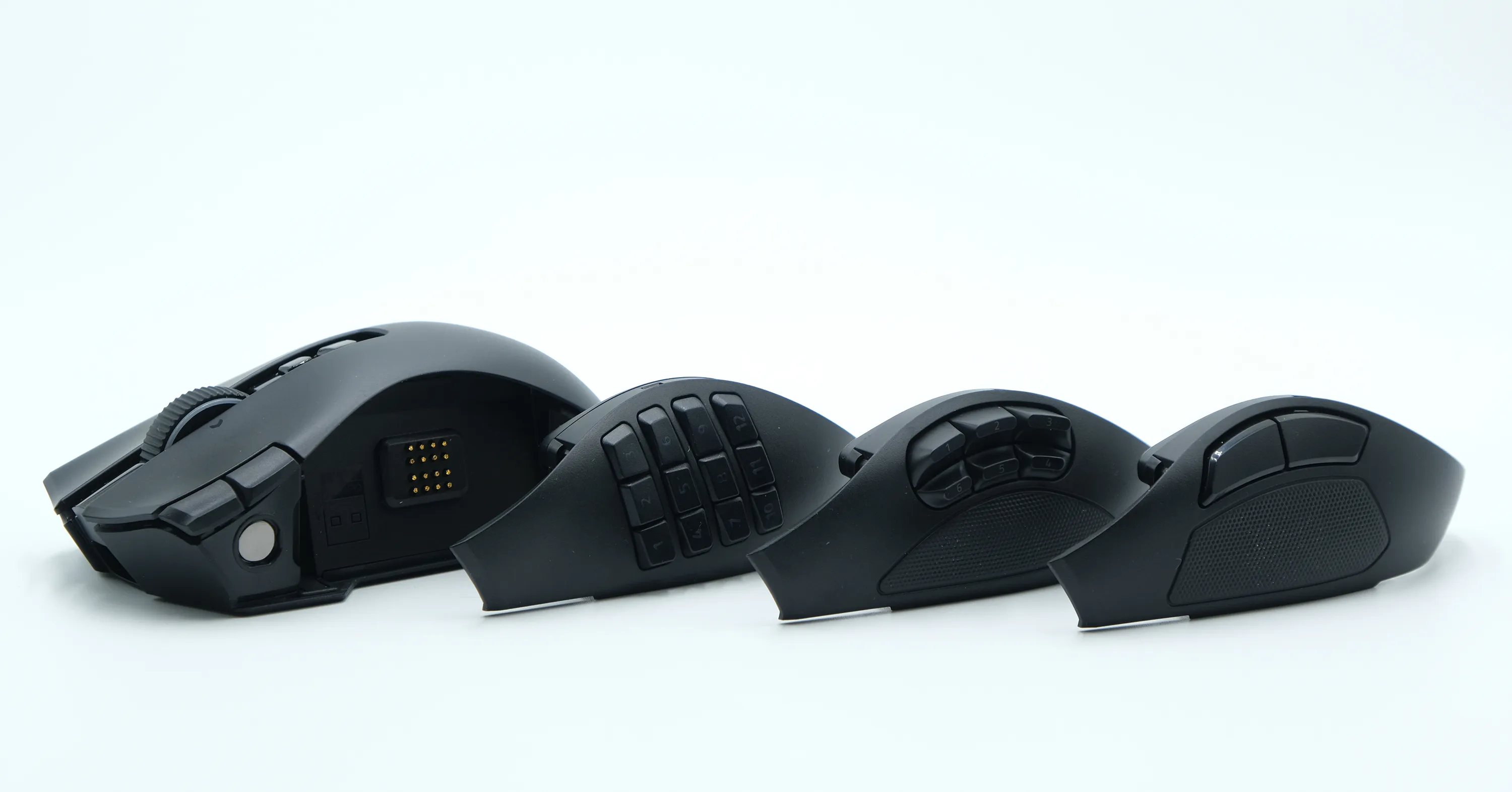
WIRED has reviewed the Razer Naga V3 Pro, positioning the device as a comfort-focused alternative to the prevailing industry trend of ultra-lightweight gaming peripherals. Priced at $179, the mouse maintains a silhouette nearly identical to models released since 2015, with the primary physical addition being a third mouse button on the left side. The review highlights that while PC gaming has shifted towards lightweight designs for fast-paced shooters, the Naga V3 Pro remains a viable option for users prioritising ergonomic support and extensive button customization.
The device features interchangeable magnetic side panels offering two, six, or twelve buttons, allowing users to tailor the hardware to specific needs. The twelve-button panel is suited for MMOs and MOBAs, though the review notes a steep learning curve for this configuration. The six-button option caters to movement-based games, while the two-button panel replicates a standard gaming mouse with larger, chunkier buttons that provide more surface area than typical thin gaming keys. Only the twelve-button panel includes RGB backlighting, a detail the reviewer noted as a disappointment for the six-button variant.
Weighing 116 grams with the heaviest side panel, 115 grams with the six-button version, and 113 grams with the two-button version, the mouse is described as feeling significantly lighter than its actual mass due to well-distributed weight. The ergonomic shape is deemed ideal for palm and claw grips, making it suitable for long-term use in titles such as Destiny 2 and The Big Walk. The third button serves as a side support for these grips, though it is most usable with a fingertip grip where accidental pressure is minimised.
Internally, the mouse is characterised as over-engineered, featuring robust plastic braces, multiple circuit boards connected by ribbon cables, and a battery with a standardised connector. A key design element is the scroll wheel mechanism, which utilises three separate microswitches for tilt and click functions. This allows for independent replacement of the switches without opening the proprietary magnetic housing, addressing potential longevity concerns associated with scroll wheel failures.
The review also emphasises the critical role of Razer Synapse software, which automatically detects attached side panels and applies specific keymaps without requiring a restart. However, the article draws a cautionary comparison to the discontinued Razer Synapse V2, which suffers from bugs and lag, illustrating the risks of software dependency for hardware devices. Despite the $179 price point and limited colour options, the Naga V3 Pro is presented as a durable, highly customisable tool for productivity and gaming.