USB-C has more audio potential, but the DAC matters more than the port
Engadget’s comparison finds that USB-C can deliver cleaner, more powerful sound with quality components, while a good 3.5mm connection remains competitive and more widely compatible.
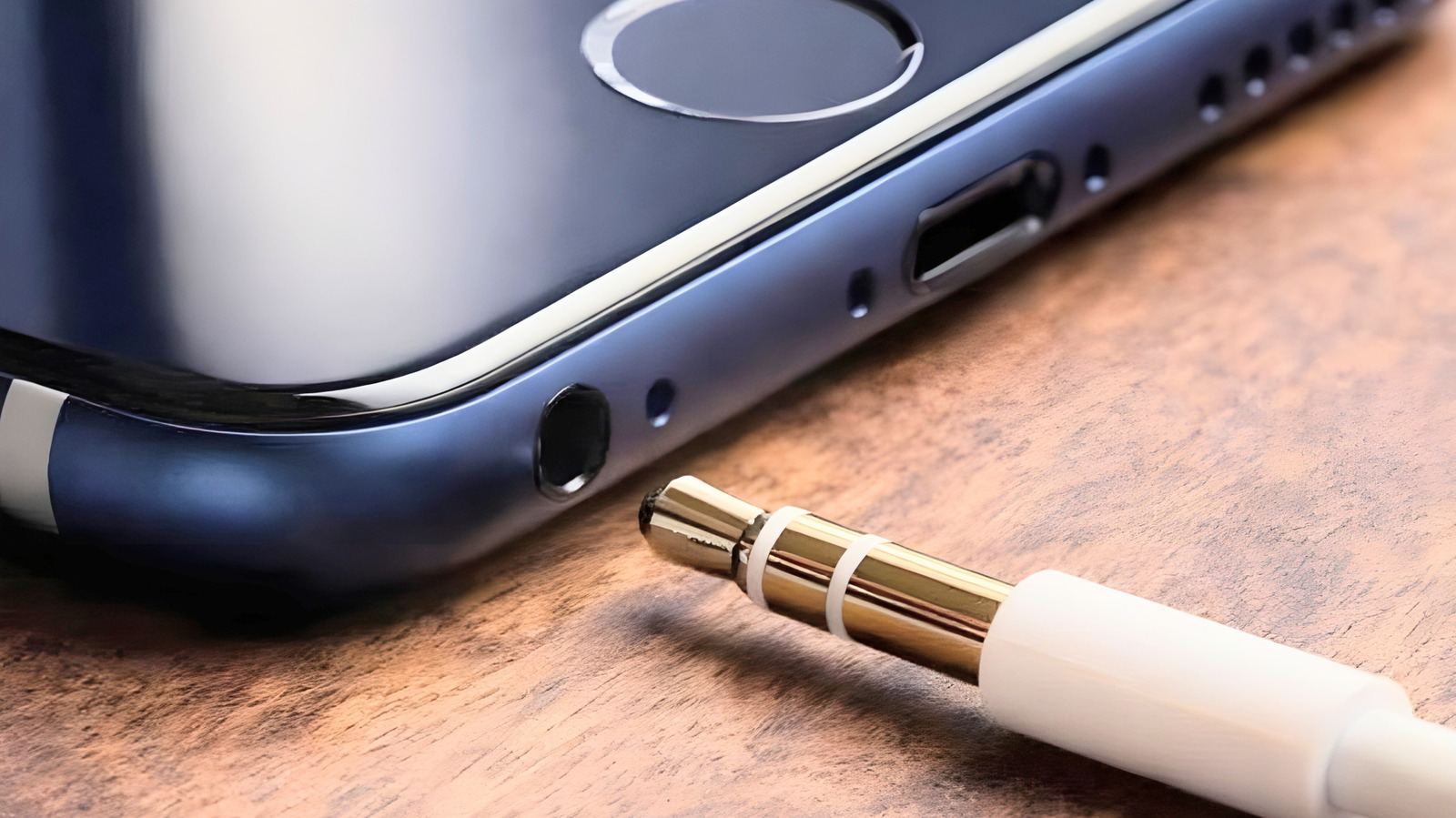
USB-C offers greater audio potential than the traditional 3.5mm headphone jack, but the connector alone does not determine sound quality. Engadget’s comparison finds that the digital-to-analogue converter (DAC), amplifier and other hardware in the audio chain are more important.
With a 3.5mm connection, a phone generally converts digital audio into an analogue signal internally before sending it to headphones. USB-C typically sends digital audio to a DAC built into headphones, earbuds or an active adapter, shifting the conversion process outside the phone.
That arrangement gives USB-C more scope to deliver a cleaner and more powerful signal when paired with a high-quality DAC and amplifier, particularly with demanding over-ear headphones. But a basic USB-C adapter may offer no meaningful advantage over a good 3.5mm output and could sound worse.
The 3.5mm jack also retains a practical advantage. It remains widely compatible with cars, laptops, speakers, televisions and PCs, allowing the same wired headphones to connect directly to a broad range of devices. USB-C analogue passthrough is not supported by every phone.
Major smartphone makers have steadily moved away from the jack. Apple removed it from the iPhone in 2016, Google followed with the Pixel 2 in 2017 and Samsung followed in 2019. Apple later replaced Lightning with USB-C on the iPhone 15.
Sony’s Xperia 1 VIII, released in June 2026, retains a 3.5mm headphone jack. The result is a choice shaped less by connector branding than by the quality of the phone, adapter, headphones, recording and listener: USB-C is potentially more capable, while 3.5mm remains simpler and competitive.