William Yang: Six decades of documenting Australia’s LGBTQ+ life and hidden histories
The Sydney photographer reflects on his vast archive, the murder of his uncle in 1922, and the shifting political landscape at a talk accompanying his new exhibition.
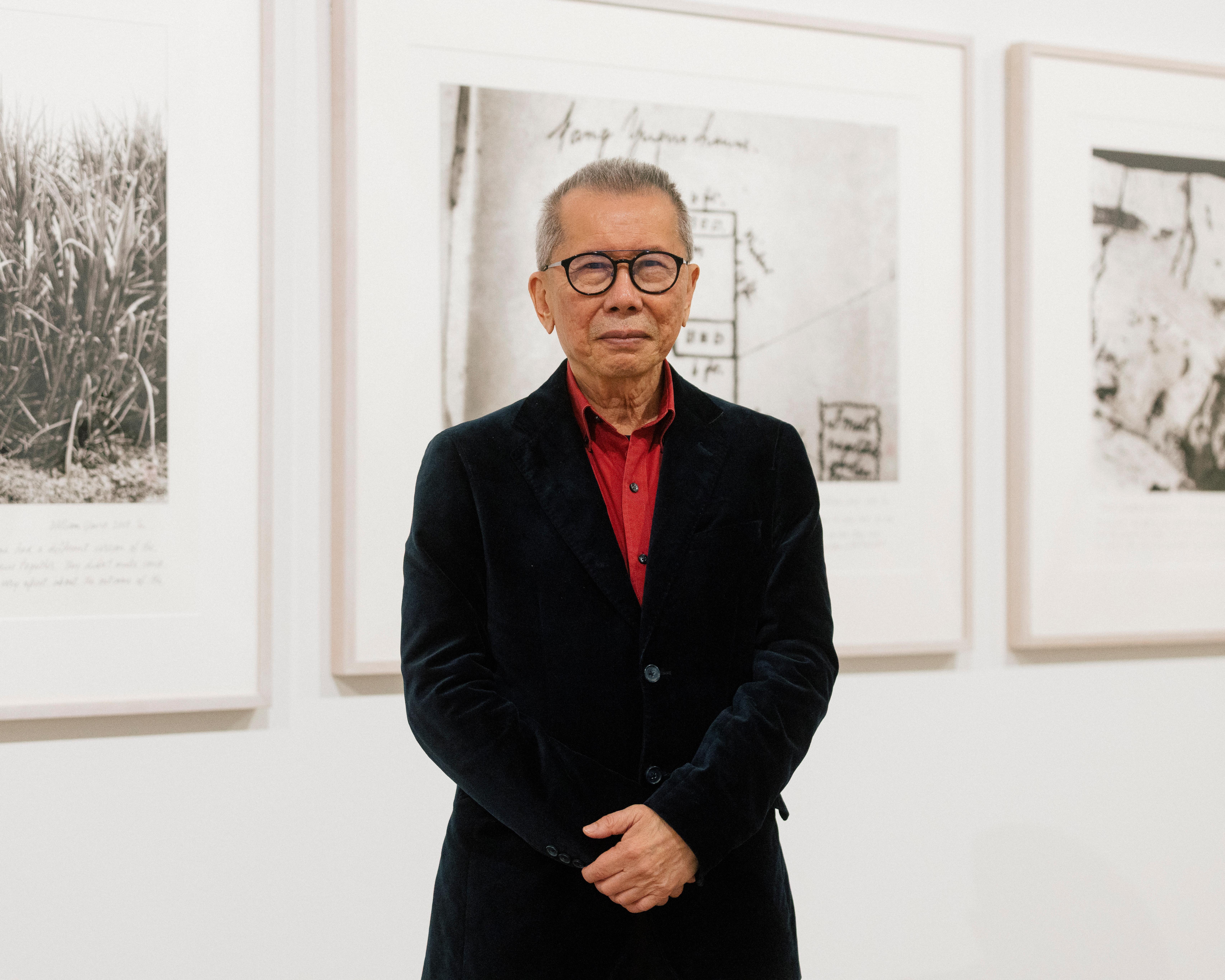
Sydney photographer William Yang has spent six decades capturing the Australian experience, amassing a collection of between 500,000 and one million photographs since moving to the city in the late 1960s. At a recent address at the TarraWarra Museum of Art in Victoria, Yang discussed his life’s work and the personal histories embedded within it. The talk accompanied the museum’s exhibition, Inside the Mirage, which explores the diaspora experience in Australia through the works of several artists.
Yang’s presentation delved into a family mystery that has shaped his understanding of heritage and identity. He recounted the 1922 murder of his uncle, William Fang Yuen, in far north Queensland. For years, the family was plagued by conflicting rumours, including stories of a stabbing or gang involvement. In 1990, Yang travelled to the Innisfail courthouse to seek clarity, where he discovered documents stained with his uncle’s blood. The records revealed that his uncle had been shot after accusing an employee of fiddling the farm’s accounts. The employee was subsequently acquitted, a verdict widely believed to be racist given the victim was Chinese and the accused was white.
This historical injustice is central to Yang’s current exhibition, which features seven of his trademark annotated photographs detailing the event. The images illustrate how the trauma affected his mother, who was 16 at the time, and how it influenced the upbringing of Yang and his siblings. Yang noted that his ethnicity was suppressed during his childhood, a dynamic he later reversed when he embraced his Chinese heritage in his mid-30s.
Beyond his personal history, Yang’s archive serves as a comprehensive record of the Sydney LGBTQ+ community. He documented the community from the 1970s through the HIV/Aids crisis to the 2017 marriage equality vote. His work captures the visibility that emerged during this period, a shift he describes as a crucial moment for a community that had previously been invisible. The State Library of New South Wales has acquired approximately 50,000 of his negatives from the 1970s and is currently negotiating for images from the 1980s and 1990s.
Yang also reflected on the changing nature of visibility and privacy in the modern era. He recalled the enthusiasm of subjects in the 1970s and 1980s, who were eager to be photographed, contrasting this with the current impact of social media. While he acknowledges that the world is becoming increasingly right-wing and anti-gay, he expressed relief that Australia retains a degree of freedom of expression.
The talk concluded with a display of a portrait of Yang by Kean Onn See, which was nominated for this year’s Archibald Prize. The painting depicts Yang in his archive, surrounded by the boxes of photographs that document both personal and societal change. Yang expressed a sense of satisfaction with his career, stating that he feels he has fulfilled his destiny as a photographer. Inside the Mirage is showing at TarraWarra Museum of Art until 1 November.