WIIRed Review: Local-First Security Cameras Offer Privacy and Cost Savings
A July 2026 guide from WIIRed details how manufacturers are closing the gap between cloud-connected and local recording options, offering alternatives to monthly fees and cloud uploads.
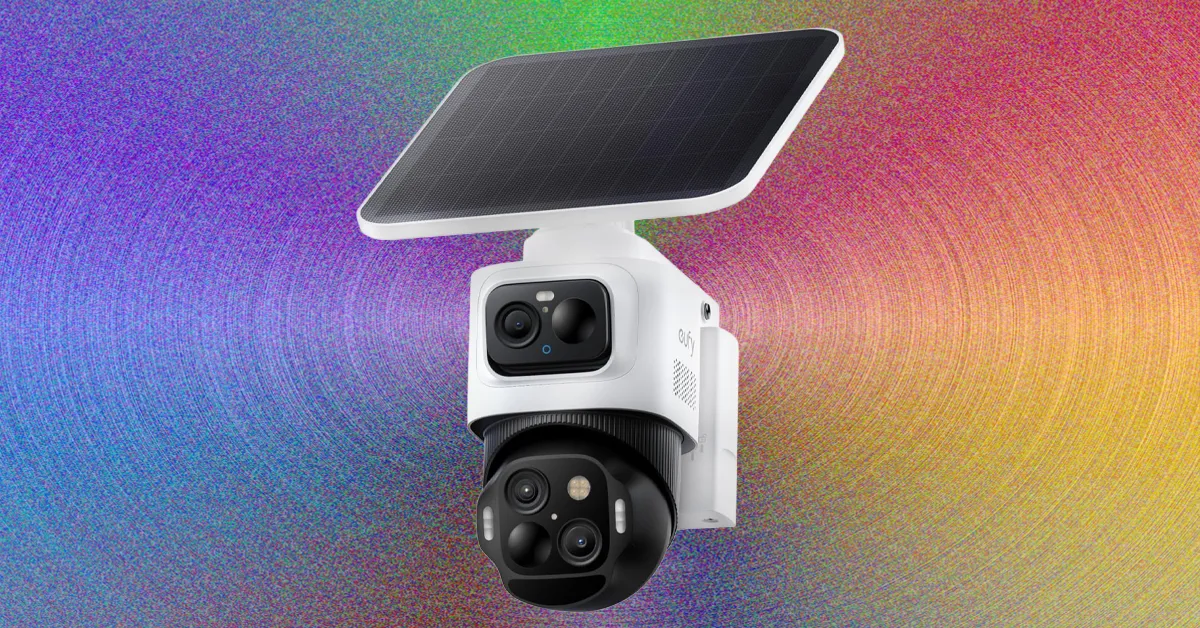
WIIRed has published an updated review of subscription-free home security cameras, focusing on devices that record footage locally to prioritise privacy and reduce recurring costs. The guide, updated in July 2026, identifies a segment of the consumer electronics market where manufacturers are moving away from mandatory cloud services, allowing users to maintain control over their video data without monthly fees. The review specifically highlights four primary manufacturers: Eufy, Synology, TP-Link (Tapo line), and Aqara, noting their distinct advantages in terms of budget, enterprise-grade compliance, value, and ecosystem integration.
Eufy, a sub-brand of Anker, is recommended as a top pick for versatility and budget options. The review notes that Eufy cameras support various local storage methods, including built-in memory, microSD cards, and local hubs like the HomeBase S380, which enables facial recognition. While the onboard AI detection is described as reasonably accurate for humans, pets, and vehicles, it does not match the accuracy of leading cloud-based systems. The review also points out that Eufy has improved its security protocols following past controversies, introducing end-to-end encryption and clearer disclosures regarding data transmission.
Synology is singled out for its compliance with the National Defense Authorization Act (NDAA), making its hardware suitable for US federal agencies and users concerned about supply chain integrity. The review emphasises that Synology cameras are relatively expensive and require Power-over-Ethernet (PoE) installation, which involves running Ethernet cables. These cameras are best paired with a Synology NAS or NVR running Surveillance Station for continuous local recording. The guide notes that while the setup is complex, it offers robust features including occupancy tracking and encrypted video storage.
For budget-conscious consumers, the TP-Link Tapo line is highlighted for its value proposition. These cameras record locally to microSD cards or via a local hub, offering solid detection capabilities and easy magnetic mounting. However, the review cautions that Tapo cameras lack proper end-to-end encryption and that some advanced features, such as rich notifications and video filtering, require a subscription. The guide also mentions a potential US ban on TP-Link networking gear, though this is noted as unlikely to affect the Tapo camera line.
Aqara is recommended for users integrated into the Apple ecosystem, particularly for its support of HomeKit Secure Video. The review describes Aqara cameras as dual-purpose devices that can function as Matter controllers and Thread border routers, improving smart home connectivity. While the app interface is described as confusing, the cameras offer high-quality video and reliable AI detection. The guide also briefly mentions IC Realtime gear as a high-end, secure option for those willing to pay a premium, while excluding brands like Google Nest and Amazon Blink that mandate cloud connections for core functionality.
The review details several local storage methods, including Network Video Recorders (NVR), local hubs, microSD cards, and Network Attached Storage (NAS). It contrasts these with cloud storage, noting that while cloud services offer remote access and backup, they involve monthly fees and reliance on internet connectivity. Local storage eliminates these costs and reduces data exposure risks, though it requires users to manage hardware maintenance and security. The guide advises using end-to-end encryption and two-factor authentication to protect local systems.
WIIRed concludes that the gap between cloud-connected and local security cameras is closing, with local systems now offering comparable AI detection and features. The review excludes brands that restrict key features behind subscriptions or require cloud connections, such as Wyze and Arlo. The guide serves as a resource for consumers seeking to avoid monthly fees and maintain greater control over their personal data, with plans to test more hardwired systems and local recording options in the coming months.