Why Waymo’s self-driving cars are Level 4, not Level 5
The distinction between the highest levels of autonomous driving lies not in the vehicle’s immediate capabilities, but in the defined boundaries of its operational design domain.
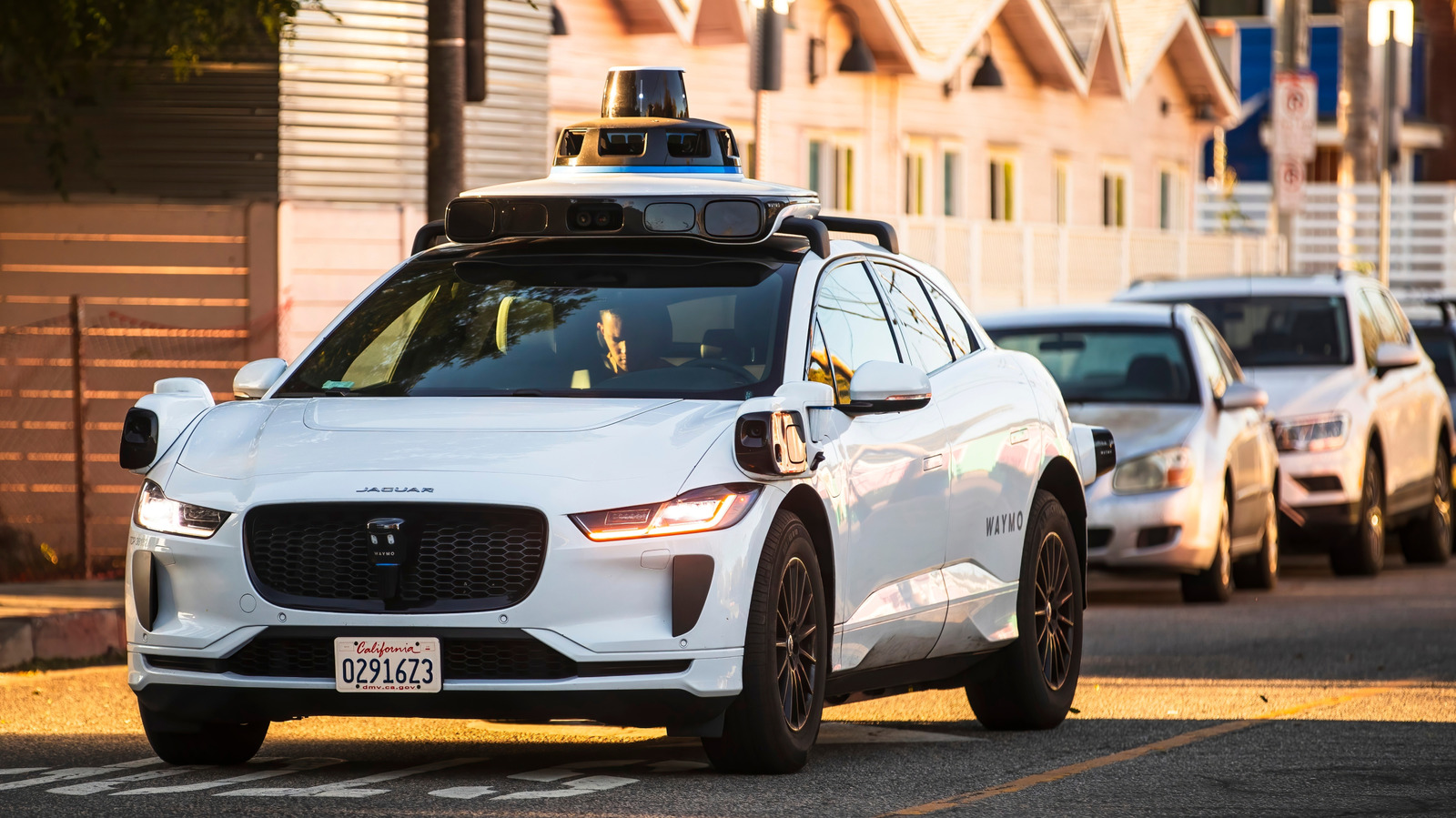
To a passenger, a Waymo vehicle navigating city traffic without a driver appears to have reached the pinnacle of automation. There is no steering, no monitoring, and no requirement for human intervention. However, under the framework established by the Society of Automotive Engineers (SAE), this capability is classified as Level 4, not the highest tier of Level 5. The critical difference is not the degree of independence during a specific manoeuvre, but the scope of conditions under which that independence is permitted to operate.
Level 4 systems handle the entire driving task without human input, but only within a defined set of conditions and locations. This scope is known as the operational design domain, or ODD, which specifies the geography, road types, and weather conditions under which the system is designed to function. Level 5, by contrast, removes these boundaries entirely, allowing for universal operation regardless of location or environmental factors.
Waymo’s published safety research describes its automated driving system as SAE Level 4. This classification explains why the company can describe its service as fully autonomous without claiming the top tier. While the vehicles complete rides without anyone behind the wheel, their ability is still constrained by defined operating limits. As long as the system operates within these boundaries, it remains Level 4, even as it improves.
Recent developments illustrate the practical challenges of expanding these limits. Waymo states that its sixth-generation Driver has expanded capabilities to handle more diverse environments, including extreme winter weather. However, in May 2026, the company suspended or restricted operations in Atlanta and San Antonio due to flooded roads. These incidents highlight that while the system is becoming more capable, it still requires specific boundaries to manage risk effectively.
The complexity of testing is significant. In its 2026 research on collision-avoidance testing, Waymo noted that evaluating a Level 4 system is complicated by the potentially enormous number of operational scenarios in which hazardous situations might develop. The company’s methodology uses human driving data, automated-driving test data, and expert knowledge to identify these scenarios. Removing the boundaries of an ODD would dramatically increase the number of variables that must be accounted for.
Currently, there is no reliable countdown to the arrival of Level 5 technology. The National Highway Traffic Safety Administration (NHTSA) states that Level 5 technology is not yet available in vehicles for consumer purchase. The SAE levels describe specific capabilities rather than serving as a development roadmap, meaning that the transition to universal automation remains a distinct technical hurdle.