US imposes new tariffs on 60 nations citing forced labour probe
New duties of up to 12.5% replace expired temporary levies as markets rally amid Beijing summit
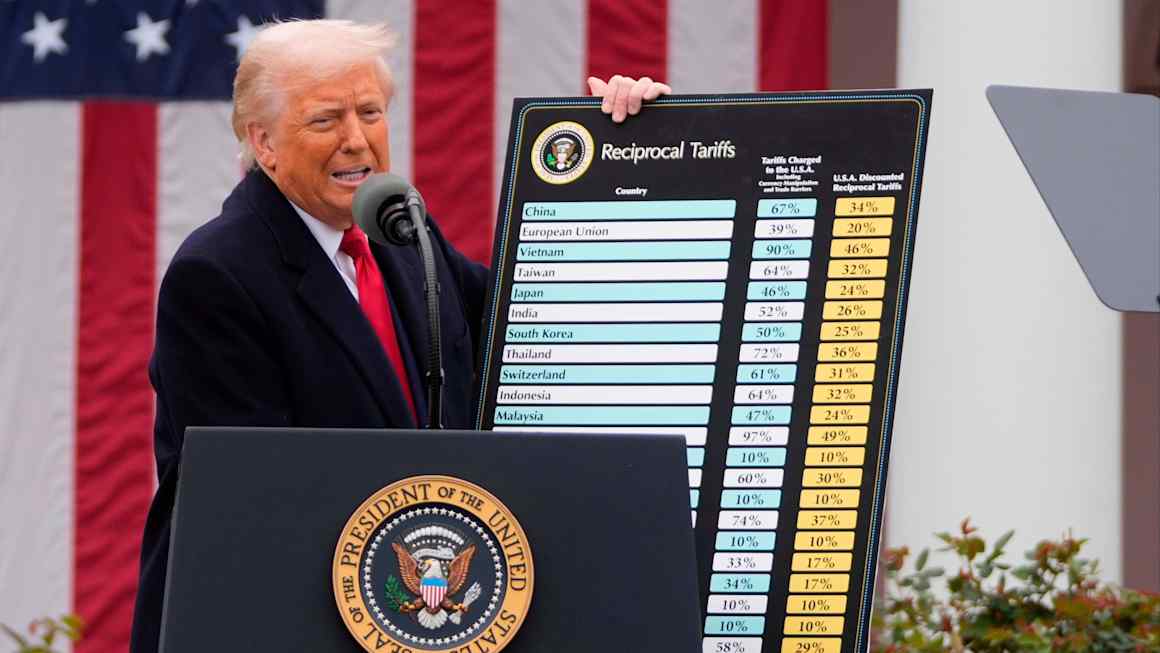
The United States administration has imposed new import duties on 60 countries, marking a strategic pivot in trade policy following a Supreme Court decision that struck down previous blanket levies. The White House has justified the measures by citing inadequate enforcement of bans on goods produced by forced labour, a rationale derived from an ongoing probe into supply chain compliance.
The new duties, which can reach rates of up to 12.5%, are implemented under Section 301 of the Trade Act of 1974. This legal framework distinguishes the current measures from the previously invalidated blanket tariffs, allowing the administration to maintain pressure on international trade partners while adhering to judicial constraints. The timing of the imposition coincides precisely with the expiry of temporary 10% worldwide levies under Section 122, which ceased to be effective at 12:01 a.m. on Friday.
Financial markets responded positively to the announcement, interpreting the move as a stabilisation of trade policy uncertainty. On the day of the announcement, US stock markets showed broad gains, with the Dow Jones Industrial Average rising by 0.8%. The S&P 500 also advanced by 0.3%, while the Nasdaq Composite climbed 0.2%, reflecting investor confidence in the clarity provided by the new regulatory basis.
The announcement comes at a critical juncture in diplomatic relations, as US President Donald Trump is currently engaged in a two-day summit in Beijing with Chinese President Xi Jinping. The trade policy shift occurs alongside broader geopolitical tensions involving Iran, including recent incidents involving US helicopters in the Strait of Hormuz. While the source material does not establish a direct causal link between the tariff announcement and the summit, the timing underscores the complex interplay between trade enforcement and high-level diplomacy.
The administration’s reliance on Section 301 and forced labour enforcement gaps signals a continued hardline stance on trade, even as previous broad-based approaches have been legally challenged. The specific list of the 60 affected nations has not been detailed in the available reporting, but the scope of the duties suggests a widespread impact on global supply chains. Investors and institutions will likely monitor the implementation of these duties closely, particularly in relation to the outcomes of the ongoing US-China discussions and the broader geopolitical landscape.