WHO report: 655 million lack electricity access as Sub-Saharan Africa bears disproportionate burden
New data from the World Health Organization and partner agencies reveals that progress toward universal energy access has slowed, with Sub-Saharan Africa requiring a tripling of current electrification rates to meet 2030 targets.
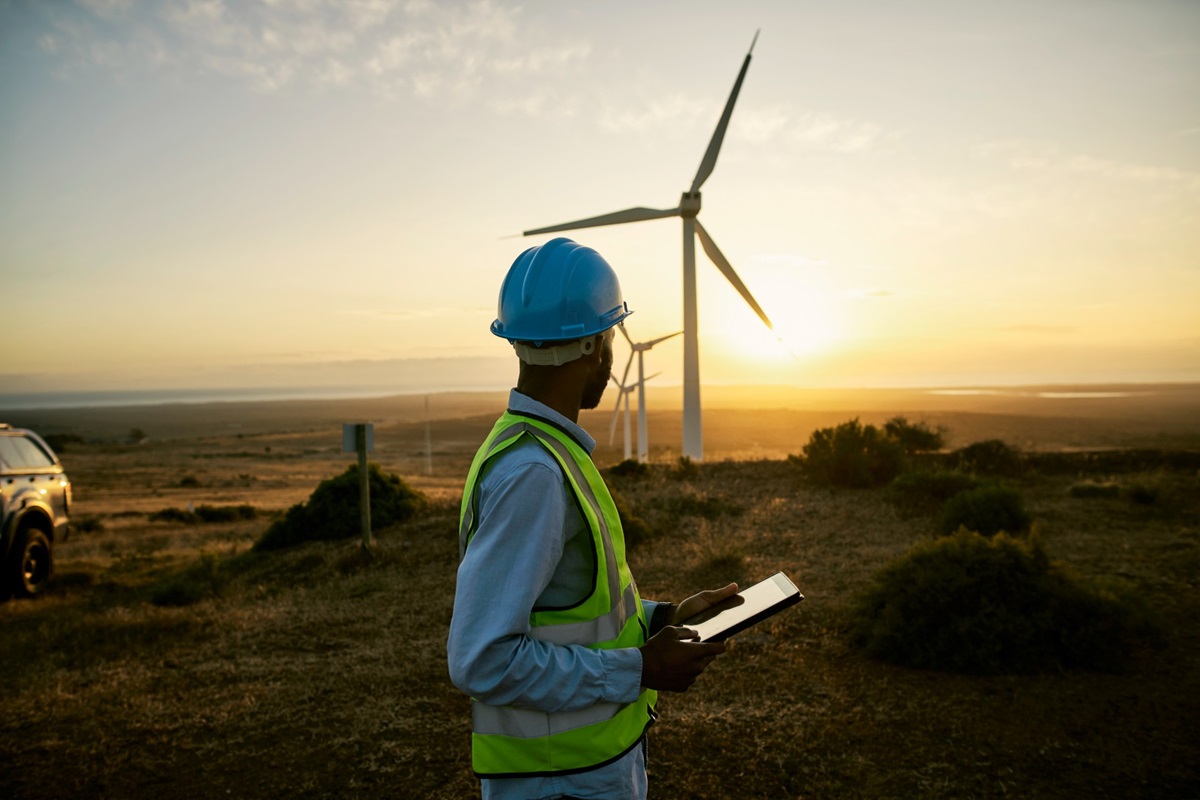
A World Health Organization report released on 24 June 2026 underscores the persistent global energy deficit, stating that 655 million people still lack access to electricity. The data reveals that Sub-Saharan Africa bears a disproportionate share of this gap, with over 560 million residents living without power. The report, titled Tracking SDG 7: The Energy Progress Report, was published by the WHO alongside partner agencies including the International Energy Agency, the International Renewable Energy Agency, the United Nations Department of Economic and Social Affairs, and the World Bank.
While most regions are nearing universal access, progress in Sub-Saharan Africa has slowed significantly. According to the latest 2023 and 2024 data, the pace of electrification in the region must triple to achieve universal access by 2030. The report identifies affordability, connection fees, and wiring costs as major obstacles, noting that many households cannot afford basic energy services even where infrastructure is available.
Health risks remain high for those relying on polluting fuels. Two billion people continue to use polluting fuels and technologies for cooking, placing their health and well-being at risk. In Sub-Saharan Africa, 970 million people lack access to clean cooking. Dr Tedros Adhanom Ghebreyesus, Director-General of the WHO, described universal access to clean energy as a fundamental health imperative, noting that household air pollution causes long-term disease and disproportionately burdens women and girls.
Despite these challenges, the report highlights encouraging progress in sustainable energy deployment. Renewable energy accounted for over 30 per cent of global electricity consumption, and renewable energy-generating capacity reached a record 544 watts per person. Distributed renewable energy solutions, such as off-grid solar and mini-grids, are already serving hundreds of millions of people, while electric cooking and biogas are gaining traction as scalable alternatives.
Financing constraints continue to hamper progress in the most vulnerable economies. International public financial flows supporting clean energy in developing countries increased slightly to US$24.6 billion in 2024. However, flows to the least developed countries declined by 11 per cent to US$3.7 billion. The report warns that without scaled-up action and strategic focus on at-risk communities, the world will fall short of achieving Sustainable Development Goal 7.
The report will be presented to decision-makers at a special launch event on 8 July 2026 in New York, following the High-Level Political Forum on Sustainable Development. The UN Statistics Division chaired this year’s edition, aiming to provide a global dashboard to register progress on energy access, efficiency, and international cooperation.