WHO modelling suggests DR Congo Ebola toll is up to four times official figures
While Democratic Republic of Congo authorities report nearly 2,000 infections since mid-May, the World Health Organization estimates the actual number of cases could be significantly higher.
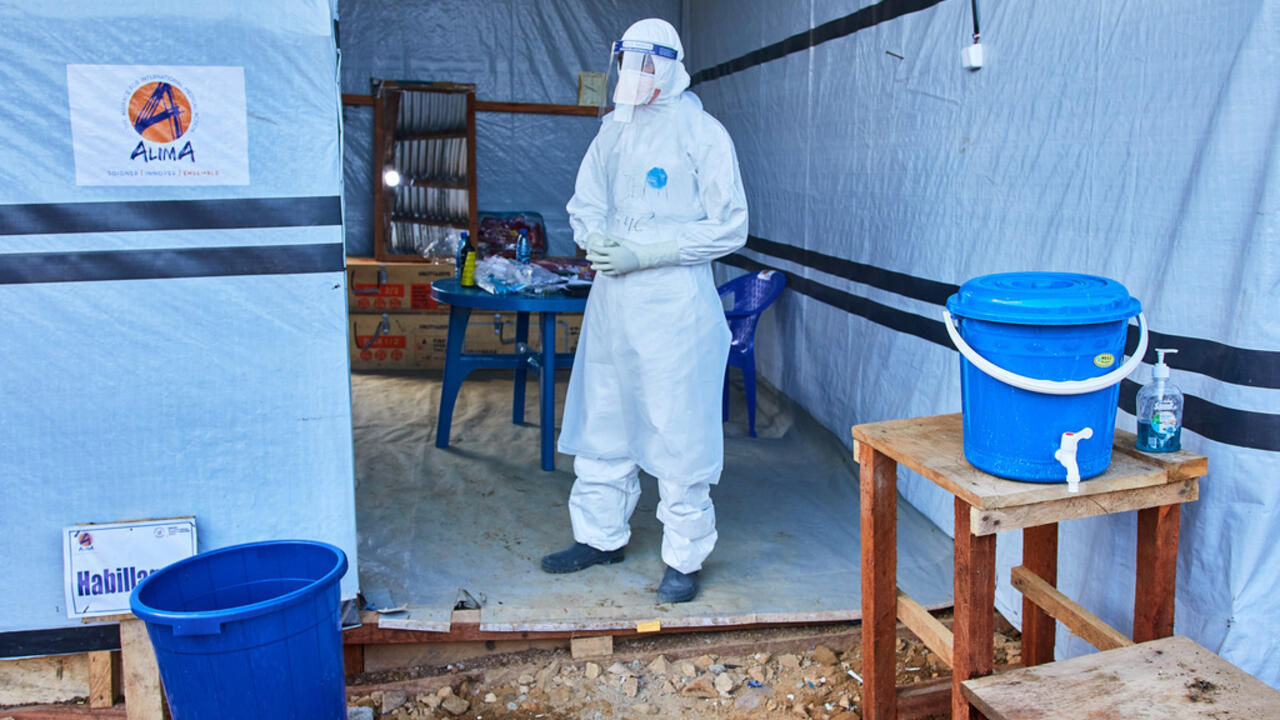
The World Health Organization has stated that the true scale of the Ebola outbreak in the Democratic Republic of Congo is likely two to four times larger than official figures suggest. The assessment, delivered on Tuesday, indicates that the actual number of cases is significantly higher than the tally currently held by DRC authorities.
According to the latest official data from the Democratic Republic of Congo, the haemorrhagic fever has infected more than 1,960 people and killed over 700 since the outbreak was detected in mid-May. However, WHO modelling suggests the real extent of the epidemic is far more severe than these recorded statistics imply.
Chikwe Ihekweazu, the WHO emergencies director, confirmed the discrepancy between reported numbers and epidemiological estimates. He stated that the organisation's modelling indicated "the scale of the outbreak is at least two to four times the number of cases that we have found".
The estimate comes as the Democratic Republic of Congo national football team arrives in the United States for the World Cup. The squad completed a mandatory 21-day quarantine required by US authorities due to the ongoing health crisis in their home country.
Coach Sebastien Desabre expressed hope that the team’s performance would boost morale among supporters back home. The squad, making their first appearance at the tournament since 1974, relocated their preparations to avoid the outbreak zone before departing for the United States.
While the WHO’s figures are based on modelling rather than confirmed case counts, the estimate highlights significant challenges in tracking the true spread of the virus. The outbreak has continued to spread to additional provinces, complicating containment efforts and data collection.
The divergence between official records and WHO estimates underscores the difficulties in managing public health crises in regions with limited surveillance infrastructure. As the World Cup proceeds, the health situation in the Democratic Republic of Congo remains a critical concern for international health bodies.