WHO escalates surveillance for 30 cruise passengers disembarked at Saint Helena amid suspected hantavirus cluster
The World Health Organisation has increased tracking efforts for approximately 30 individuals who left a cruise ship during a stop in the South Pacific, citing the need to prevent further dissemination of a suspected hantavirus infection
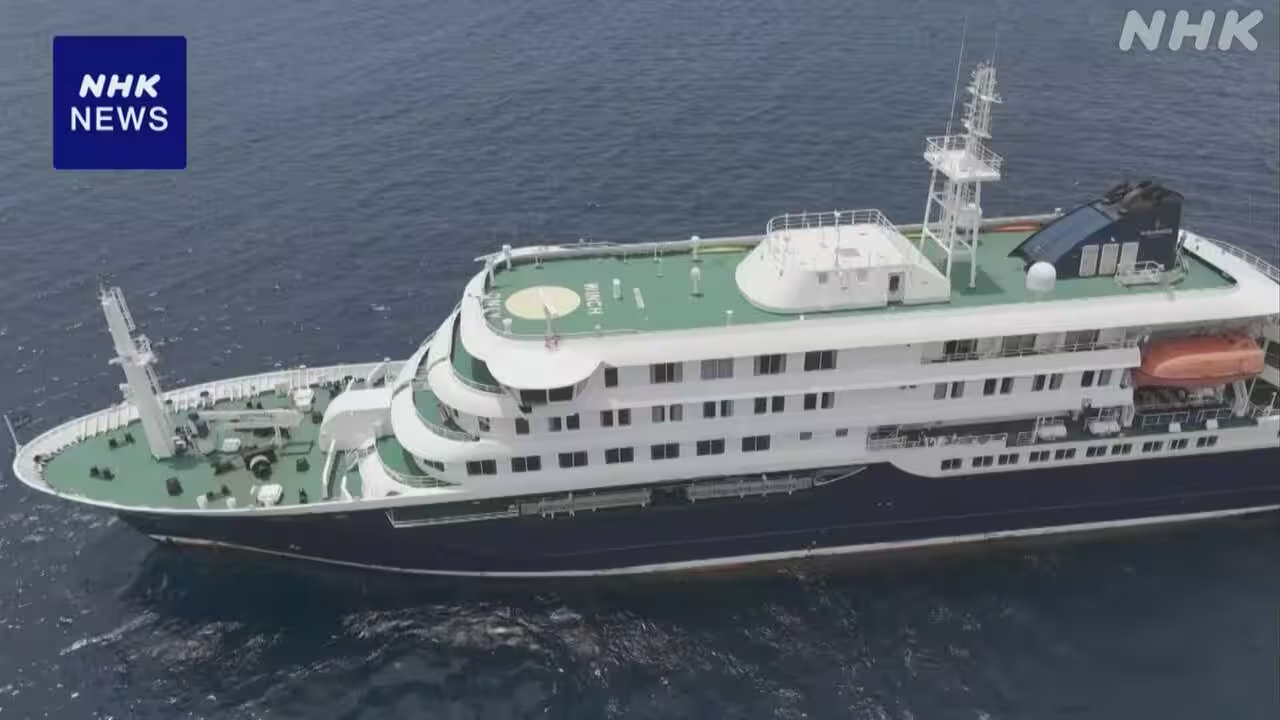
The World Health Organisation has intensified its monitoring protocols for a specific cohort of approximately 30 passengers who disembarked from a cruise vessel during a port call at Saint Helena Island in the South Pacific. This escalation in tracking measures was implemented last month following an assessment that the ship is under suspicion for a cluster infection involving hantavirus. The decision marks a shift from previous monitoring levels to a more rigorous surveillance approach aimed at containing potential public health risks.
According to the World Health Organisation, the intensification of these efforts is deemed necessary to prevent the further spread of the virus among the wider population. The agency has identified the disembarked group as a critical focus for contact tracing and health assessment. While the vessel remains under suspicion for a cluster outbreak, the specific number of confirmed cases on board has not yet been officially declared by the WHO or relevant health authorities.
Hantavirus is a pathogen known to cause severe respiratory illness in humans, typically transmitted through contact with infected rodent droppings or urine. The organisation recognises that cruise ships, with their nature of close quarters and international travel, can function as potential hotspots for infectious disease outbreaks. Consequently, the rapid identification and monitoring of individuals who have left the vessel are central to the current containment strategy.
Previous reporting from 8 May 2026 indicated that passengers and crew members who had known contact with infected individuals had tested negative for the virus. However, the full extent of the infection cluster on the ship remains under active investigation. The uncertainty regarding the exact timeline of symptom onset for any potential cases among the tracked individuals necessitates this heightened level of scrutiny by the global health body.
The World Health Organisation has also noted growing concerns regarding the spread of misinformation about the outbreak on social media platforms. This unverified information has contributed to public anxiety, prompting a need for clear, policy-driven communication from the international health community. By focusing on the institutional response to the suspected cluster, the WHO aims to counteract unfounded claims while maintaining strict adherence to epidemiological protocols.
As the investigation continues, the focus remains on the approximately 30 individuals who disembarked at Saint Helena. The World Health Organisation will continue to monitor this group closely until further testing results are available to clarify the status of the suspected hantavirus cluster infection.