WHO escalates Ebola alert in DR Congo as death toll surpasses 160
The World Health Organization has designated the highest risk level for the outbreak in the Democratic Republic of Congo, where at least 160 deaths have been recorded and containment efforts face significant challenges.
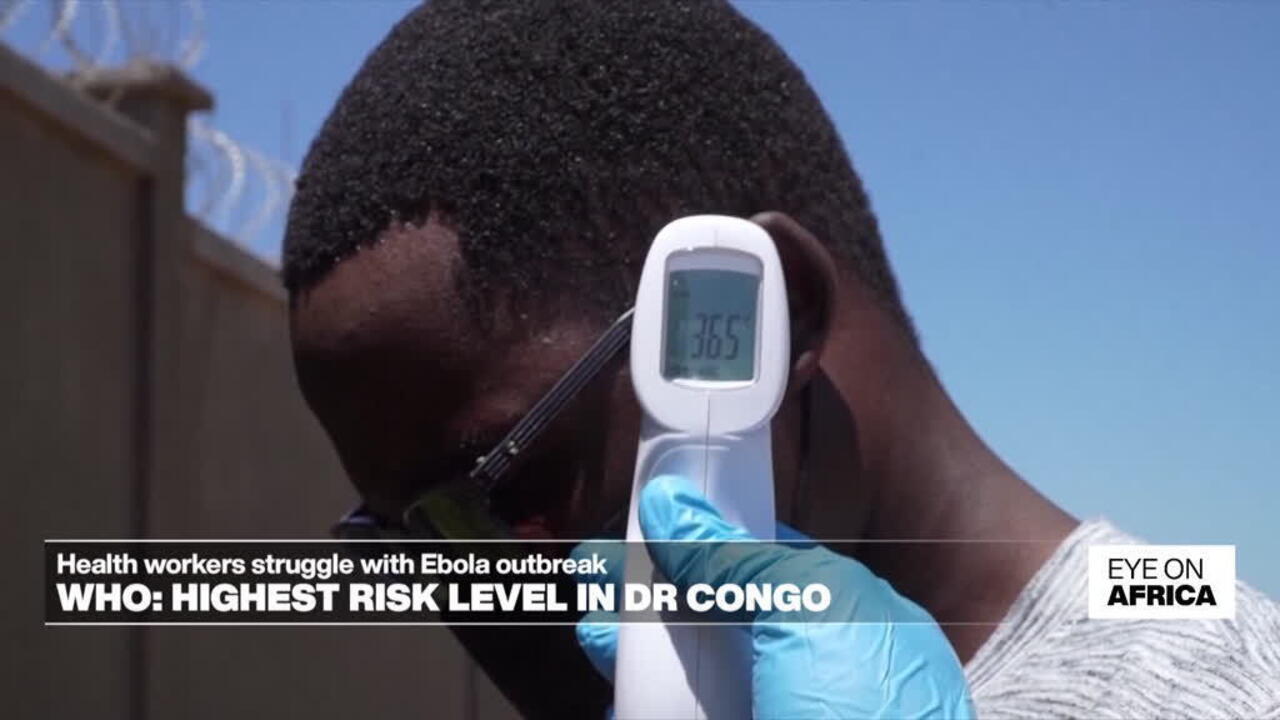
The World Health Organization has declared the highest risk level for an Ebola outbreak in the Democratic Republic of Congo, signalling a critical escalation in the crisis as health workers struggle to contain the disease. The declaration comes amid a growing death toll, with at least 160 lives already feared lost in the region.
The outbreak, characterised by a virus that spreads rapidly and carries a high fatality rate, has placed immense pressure on local health infrastructure. Health workers in the DRC are racing against time to implement containment measures, facing the logistical and medical challenges posed by the disease’s aggressive transmission.
The epidemic originated in Bunia, located in the Ituri province, where the first known case involved a nurse who developed symptoms and died on 24 April. Following the death of this initial case, the body was repatriated to Mongwalu, a gold-mining town that has since become the epicentre of the crisis, accounting for the majority of reported cases.
This latest designation follows a previous assessment by the WHO, which had classified the outbreak in the DRC and Uganda as a Public Health Emergency of International Concern. In that earlier declaration, the agency highlighted high national and regional risks while maintaining that the global risk remained low. The shift to the highest risk level underscores the intensifying threat within the country.
As the situation develops, the focus remains on the capacity of domestic health services to manage the surge in cases. The WHO’s continued monitoring reflects the complex interplay between local containment efforts and the broader public health implications for the region.