WHO escalates DRC Ebola risk to 'very high' as Bundibugyo strain spreads
The World Health Organization has raised the national risk assessment for the Bundibugyo strain of Ebola in the Democratic Republic of Congo to 'very high', citing the potential for rapid acceleration.
The World Health Organization has elevated the risk assessment for the Bundibugyo strain of Ebola spreading within the Democratic Republic of Congo to "very high," citing the potential for rapid acceleration of the outbreak. The global health body declared the situation a Public Health Emergency of International Concern, noting that the strain currently lacks an approved vaccine or treatment.
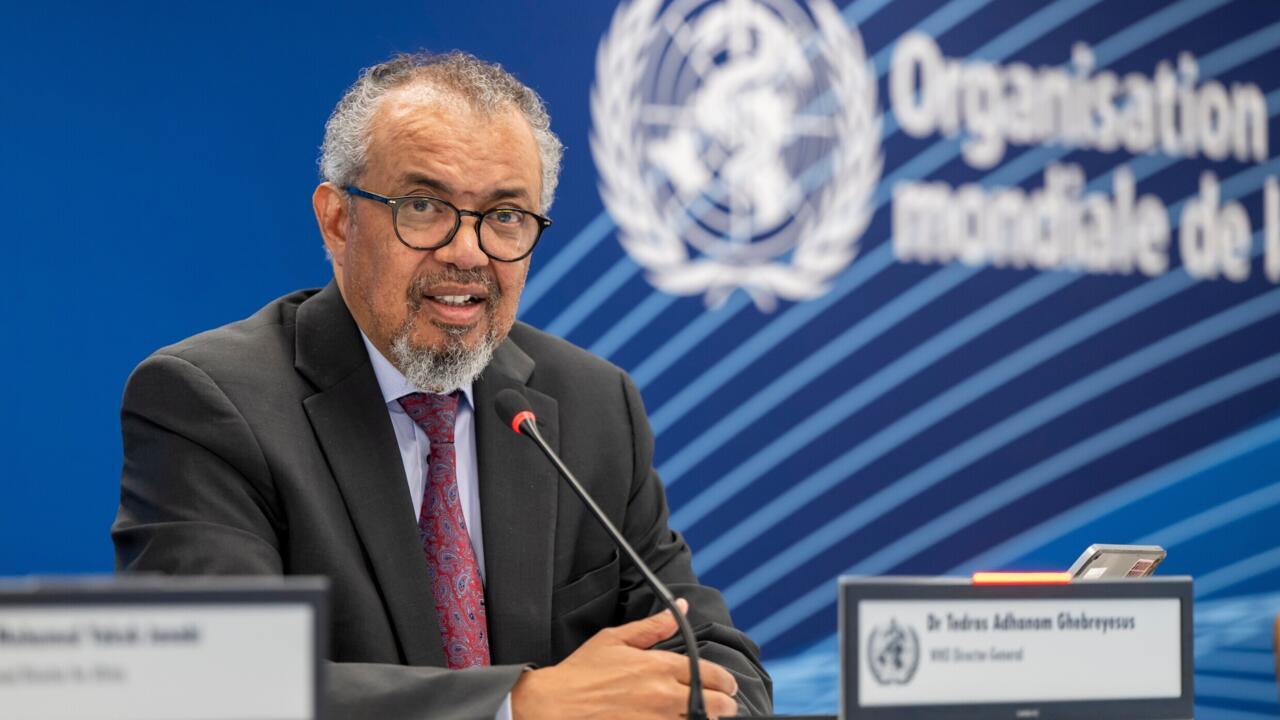
WHO Director-General Tedros Adhanom Ghebreyesus outlined the revised risk landscape during a briefing, stating that while the risk remains "high" at the regional level and "low" globally, the national situation in the DRC has deteriorated significantly. "We are now revising our risk assessment to very high at the national level," Tedros told reporters, underscoring the urgency of the response efforts.
As of the latest reporting, the DRC has recorded 82 confirmed cases and seven confirmed deaths. The outbreak has also resulted in 177 suspected deaths and nearly 750 suspected cases. Abdirahman Mahamud, WHO Director of Health Emergency Alert & Response Operations, noted that the high potential for rapid spread has fundamentally changed the dynamic of the response strategy.
In neighbouring Uganda, the situation is described as stable despite two confirmed cases linked to travellers from the DRC, one of which was fatal. Tedros indicated that measures implemented in Uganda, including intense contact tracing and the cancellation of a mass gathering, have been effective in stemming the virus's spread.
Two US nationals have been transferred out of the DRC for medical care. One national, who was working in Congo, has been confirmed positive and transferred to Germany, while another American with a high-risk contact has been moved to the Czech Republic.
WHO Chief Scientist Sylvie Briand indicated that the experimental oral antiviral Obeldesivir may be deployed under strict protocols to prevent disease development among Ebola contacts. Obeldesivir is an experimental drug originally developed for Covid-19 by Gilead Sciences. Briand described it as a promising treatment but emphasised that its implementation requires rigorous adherence to safety protocols.
Scientists at Oxford University are also accelerating the development of an experimental vaccine targeting the rare Bundibugyo species. The outbreak began on 24 April when the first known case, a nurse, developed symptoms and died in Bunia, Ituri province. The body of the first case was subsequently repatriated to Mongwalu, a gold-mining town where the majority of cases have been reported.