WHO escalates DRC Ebola risk to 'very high' amid security crisis
Director-General Tedros Adhanom Ghebreyesus warns that violence and insecurity are obstructing containment efforts, while Oxford University scientists accelerate vaccine development.
The World Health Organization has upgraded the public health risk assessment for the Ebola outbreak in the Democratic Republic of Congo from "high" to "very high". In an update issued on Friday, WHO Director-General Dr Tedros Adhanom Ghebreyesus confirmed the escalation, noting that while the risk remains "high" across the wider African region, it is assessed as "low" at a global level. The declaration follows the WHO’s designation of the outbreak as a Public Health Emergency of International Concern on Sunday, a measure taken to coordinate an international response without reaching the threshold of a pandemic.
The current outbreak is driven by the rare Bundibugyo species of Ebola, which carries a fatality rate of approximately one-third and lacks a previously proven vaccine. As of the latest data, the DRC has recorded 750 suspected cases and 177 suspected deaths, with 82 confirmed cases and seven confirmed deaths. Neighbouring Uganda has reported two confirmed cases and one death, both linked to travellers from the DRC. Dr Tedros described the situation in Uganda as "stable", attributing the spread to cross-border movement rather than local transmission chains.
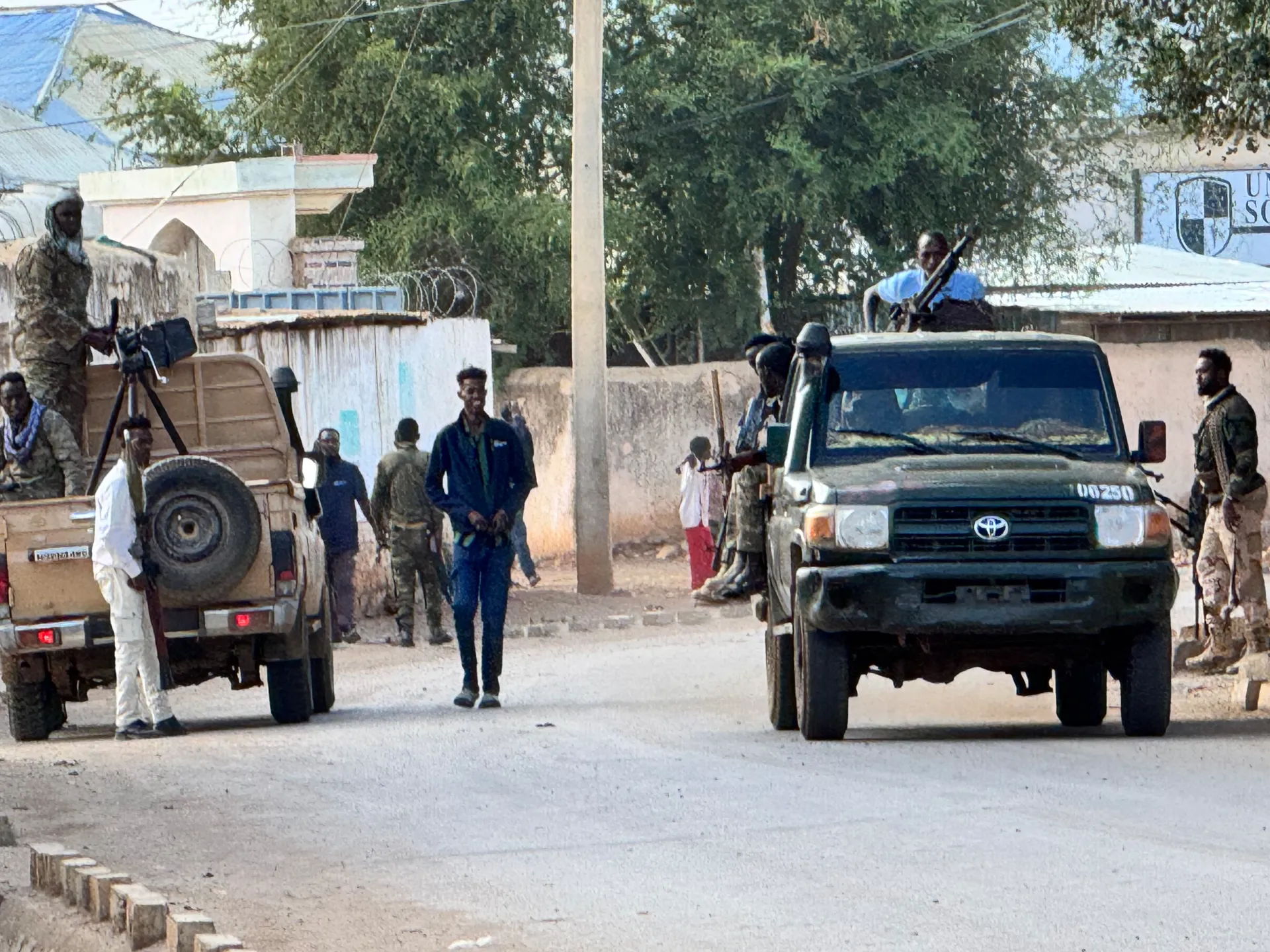
Containment efforts are being severely compromised by violence and insecurity in the conflict-ridden eastern DRC. Dr Tedros highlighted the critical need to build community trust, citing an incident where angry relatives burned down a hospital in eastern DRC after health workers refused to release a patient’s body due to contamination risks. This hostility underscores the challenges faced by response teams in a region where Ebola viruses, typically carried by fruit bats, can spill over into human populations through contact with infected animals.
In response to the crisis, scientists at Oxford University are accelerating the development of a new vaccine targeting the Bundibugyo species. Clinical trials for this experimental vaccine could begin within two to three months, although Dr Tedros cautioned that there are no guarantees of efficacy and that rigorous animal and human trials are still required. A separate experimental vaccine is also in development, but it is expected to take six to nine months before any doses are ready for testing.
The outbreak originated on 24 April when a nurse in Bunia, Ituri province, developed symptoms and died. The body was subsequently repatriated to Mongwalu, a gold-mining town where the majority of cases have been reported. With the Bundibugyo species not observed in outbreaks for over a decade, the lack of established medical tools has left health authorities relying on rapid vaccine development and strict containment protocols to prevent further spread.