WHO: Ebola outbreak in DR Congo began months before official declaration
The World Health Organization confirms the fast-moving virus in the Democratic Republic of Congo started approximately three months prior to the May declaration, raising questions about early detection protocols.
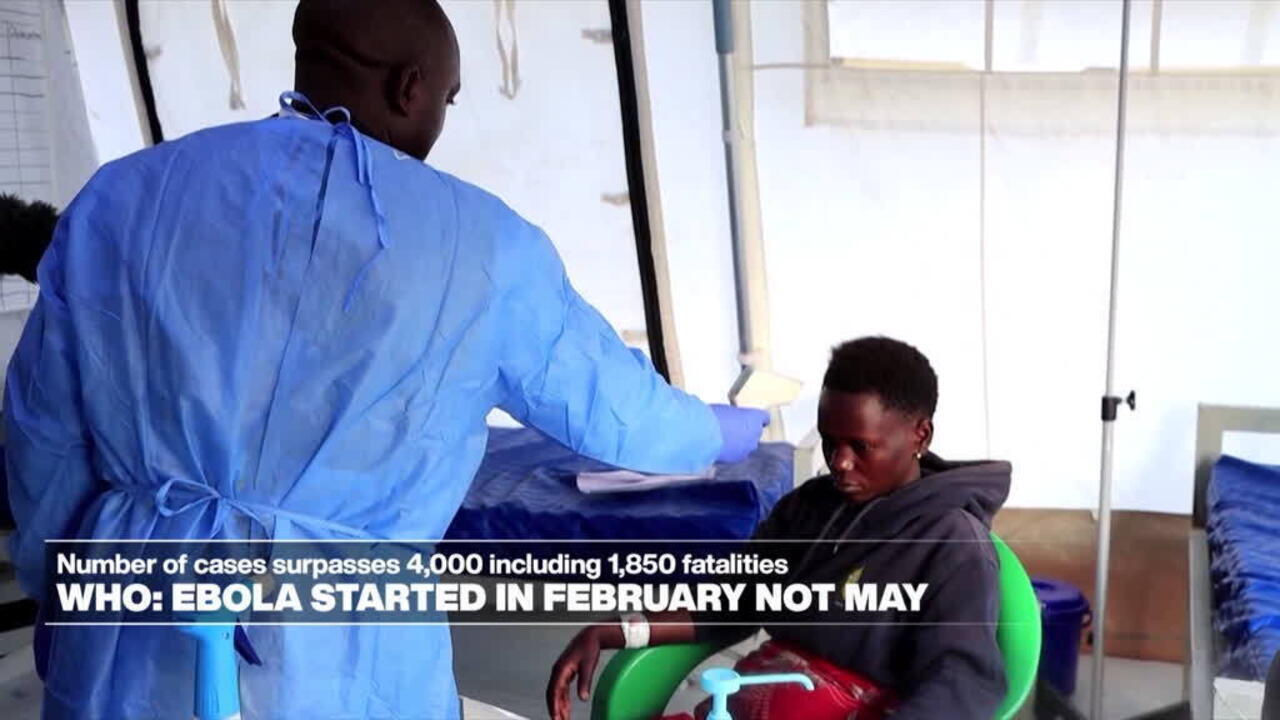
The World Health Organization has confirmed that the current Ebola outbreak in the Democratic Republic of Congo began approximately three months before the emergency was officially declared in May. This revised timeline, established through genetic sequencing of the virus, indicates that the fast-moving outbreak was already underway well before international authorities issued formal warnings.
According to the agency, the genetic data provides a clearer picture of the virus's transmission history than previously available. The sequencing suggests that the initial cases occurred roughly three months prior to the May declaration, highlighting a significant gap between the onset of the outbreak and the official recognition of the crisis.
The World Health Organization described the outbreak as fast-moving, a characterization that underscores the rapid spread of the virus within the region. The agency’s assessment relies on molecular evidence rather than reported case numbers alone, allowing for a more accurate reconstruction of the outbreak’s early stages.
While the exact start date remains an estimate rather than a precise calendar date, the three-month window represents a substantial period during which the virus could have circulated undetected. This delay between the actual start of the outbreak and the official declaration has implications for the effectiveness of early containment measures.
The Democratic Republic of Congo is currently managing an active Ebola crisis, with the World Health Organization continuing to monitor the situation closely. The agency’s findings provide critical context for understanding the challenges of detecting and responding to viral outbreaks in regions with limited surveillance infrastructure.
As the response efforts continue, the World Health Organization’s data serves as a reminder of the complexities involved in global health security. The discrepancy between the genetic timeline and the official declaration highlights the need for improved early warning systems to prevent similar delays in future health emergencies.
The World Health Organization’s statement underscores the importance of genetic surveillance in tracking infectious diseases. By utilising advanced sequencing techniques, the agency has been able to correct the historical record of this outbreak, providing a more accurate basis for policy and response strategies.