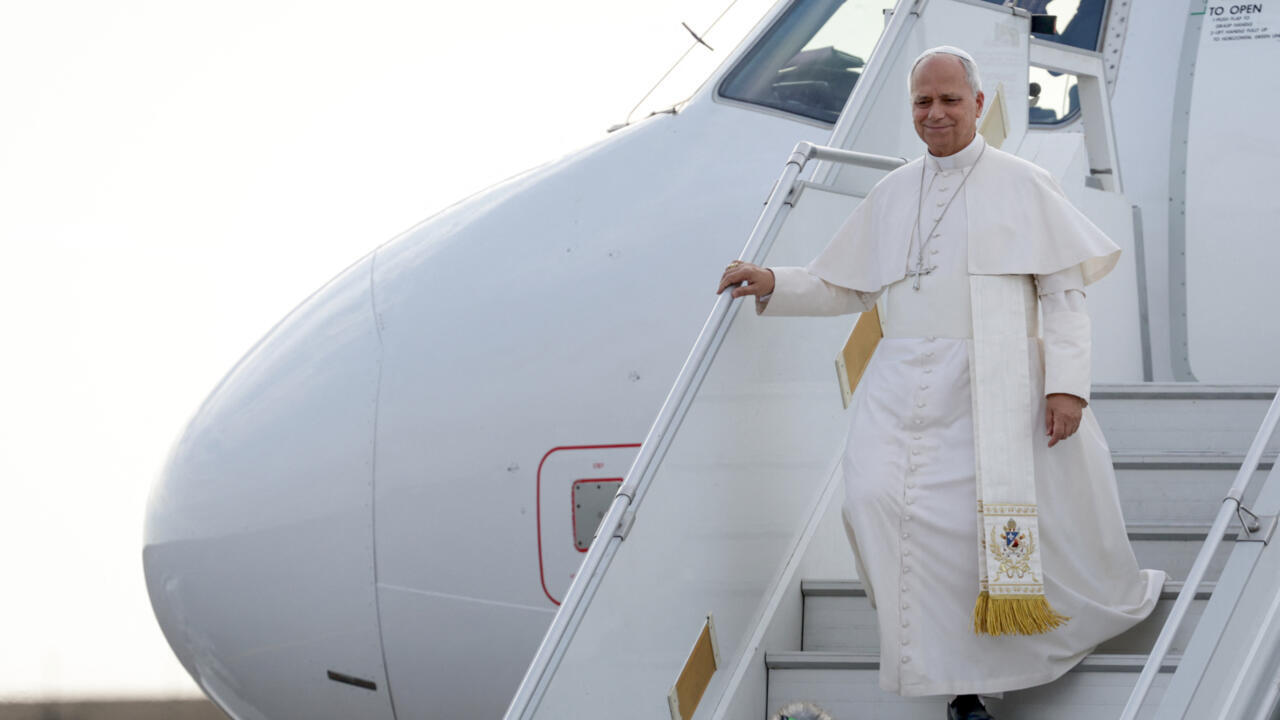
WHO Director-General visits DR Congo Ebola epicentre as suspected cases exceed 1,000
The World Health Organization chief’s visit to the Democratic Republic of Congo comes as authorities struggle with protective equipment shortages and efforts to build community trust to curb the spread of the Bundibugyo species of Ebola.
The World Health Organization Director-General, Tedros Adhanom Ghebreyesus, has arrived in Bunia, the epicentre of the ongoing Ebola outbreak in the Democratic Republic of Congo. The visit coincides with a significant escalation in the crisis, as the number of suspected cases in the country has now surpassed the 1,000 mark.
The outbreak, caused by the Bundibugyo species of the virus, has prompted the World Health Organization to declare a Public Health Emergency of International Concern. While the agency has assessed the global risk as low, it has highlighted high national and regional risks within the DRC and neighbouring Uganda.
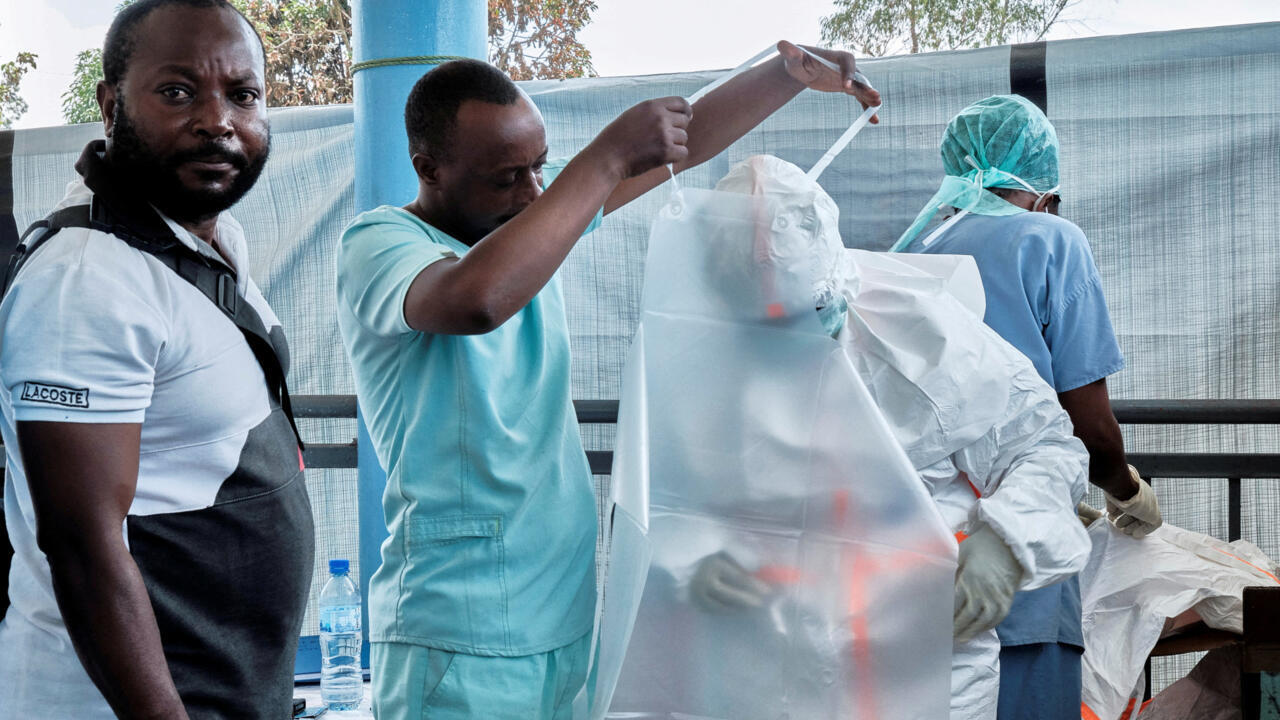
On the ground in Bunia, Congolese authorities are facing immediate operational hurdles. Reports indicate that officials are scrambling to provide protective equipment that is currently in short supply. This logistical constraint complicates the response efforts as health workers attempt to contain the virus in one of its most active zones.
Beyond material shortages, the response is hampered by social challenges. Authorities are actively working to establish trust within local communities, a critical step in curbing the virus's spread. Building confidence among residents is essential for effective contact tracing and isolation protocols, yet remains a significant hurdle in the current environment.
The crisis began on 24 April when the first known case, a nurse, developed symptoms and died in Bunia, located in the Ituri province. Subsequent reports noted the repatriation of the first case’s body to Mongwalu, a gold-mining town where the majority of cases have been reported.
Previous data from the World Health Organization indicated 600 suspected cases and 139 suspected deaths across the DRC and Uganda, with 51 confirmed cases in the DRC and two in Uganda. With suspected cases now exceeding 1,000, the scale of the outbreak has continued to expand since the initial emergency declaration.
As the death toll rises, the World Health Organization’s presence in Bunia underscores the severity of the situation. The agency continues to monitor the situation closely, balancing the high regional risk against the currently assessed low global threat level.