WHO declares public health emergency as Ebola outbreak spreads in Congo and Uganda
The World Health Organization has classified the outbreak in the Democratic Republic of Congo and Uganda as an emergency of international concern, though it maintains the global risk remains low.
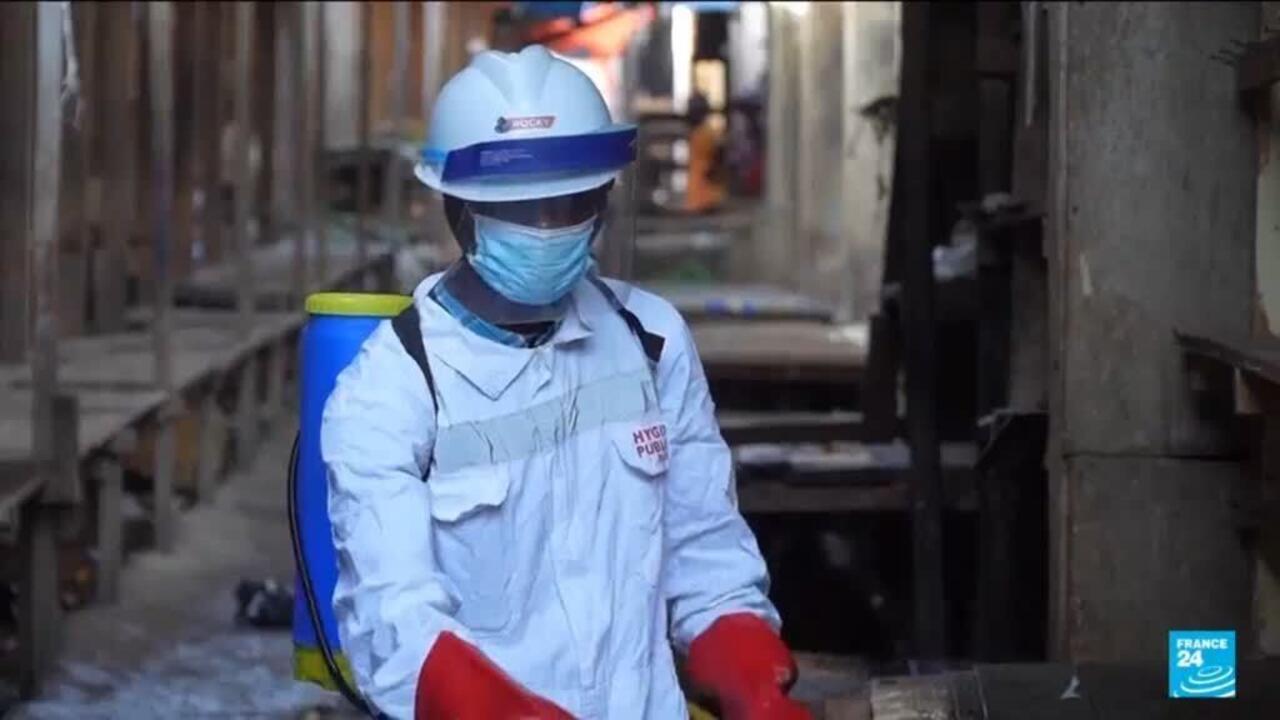
The World Health Organization (WHO) has declared the Ebola outbreak in the Democratic Republic of Congo (DRC) and Uganda a public health emergency of international concern. The declaration follows the identification of the rare Bundibugyo species of the virus, which is currently affecting regions including Ituri and North Kivu provinces in the DRC, as well as areas near Kampala in Uganda.
While the WHO reports 51 confirmed cases in the DRC and two in Uganda, media reports from France 24 indicate a significantly higher burden of disease, citing over 900 suspected cases and more than 200 deaths in the DRC alone. Health workers caution that the actual death toll is likely higher than reported figures due to limited testing capacity in the affected regions.
Containment efforts are being severely hampered by a combination of local conflict, public mistrust, and a lack of specific treatments for this rare strain. These structural and social barriers have complicated the response, with previous WHO briefings noting that numbers were expected to rise as testing and reporting mechanisms improved.
Despite the severity of the local crisis and the emergency declaration, the WHO has assessed the global risk as low. This distinction underscores the challenge of managing a localized health emergency within a complex security environment without triggering broader international panic or travel restrictions.
The outbreak has raised fears of wider spread in Central Africa, prompting urgent calls for coordinated governance and health policy responses. As the situation evolves, the disparity between confirmed data and suspected cases highlights the ongoing uncertainty surrounding the true scale of the epidemic.