WHO declares global emergency as Ebola strain complicates DRC response
The World Health Organization has escalated the crisis in the Democratic Republic of Congo, citing diagnostic delays and a lack of approved treatments for the specific viral strain involved.
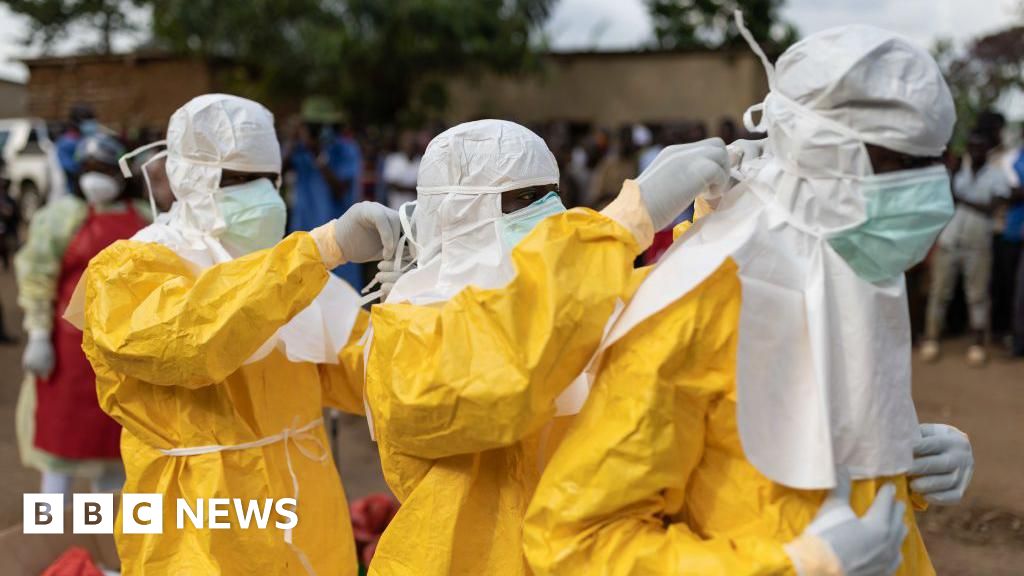
The World Health Organization has declared the Ebola outbreak in the Democratic Republic of Congo a Public Health Emergency of International Concern, citing a complex mix of diagnostic challenges, a rare viral strain, and ongoing civil conflict. Health officials report nearly 250 suspected cases and 80 deaths linked to the outbreak, which has been spreading undetected for several weeks in a region marked by displacement and high population mobility.
The current outbreak is caused by the Bundibugyo species of Ebola, a rare variant for which there are no approved vaccines or specific drug treatments. Unlike other strains, Bundibugyo has previously caused only two outbreaks, in 2007 and 2012, with mortality rates ranging between 30 and 50 percent. The absence of targeted antiviral drugs means that clinical management relies entirely on optimised supportive care, including the administration of fluids, nutrition, and pain management, alongside the treatment of secondary infections.
Diagnostic difficulties have further hampered the initial response. Initial testing for the Ebola virus returned negative results, requiring more sophisticated laboratory tools to confirm the presence of the Bundibugyo strain. This delay in identification is significant; the first known case, a nurse, developed symptoms on 24 April, but it took three weeks to confirm the outbreak. Experts warn that this lag indicates ongoing transmission for several weeks prior to detection, suggesting the situation may be larger than currently reported.
The operational environment in the DRC presents severe logistical hurdles. The outbreak is concentrated in mining towns with highly mobile and transient populations, increasing the risk of cross-border spread. These challenges are exacerbated by ongoing civil war and the presence of more than 250,000 displaced people, which complicates contact tracing and the implementation of safe burial practices. Health officials are prioritising the rapid identification of infected individuals and preventing transmission within hospitals and treatment centres.
While the declaration reflects the complexity of the situation and the need for international coordination, specialists emphasise that the global risk remains low. The 2014-16 West Africa outbreak infected 28,600 people, yet only three cases occurred in the UK, all among healthcare workers. Despite the current difficulties, the DRC’s response capabilities are described as significantly stronger than a decade ago, though the speed of containment will determine whether this outbreak remains isolated or escalates.