WHO declares Ebola outbreak in DRC and Uganda a global health emergency
The United Nations health agency has classified the cross-border Ebola crisis as a Public Health Emergency of International Concern, while advising against border closures and clarifying the situation does not meet pandemic criteria.
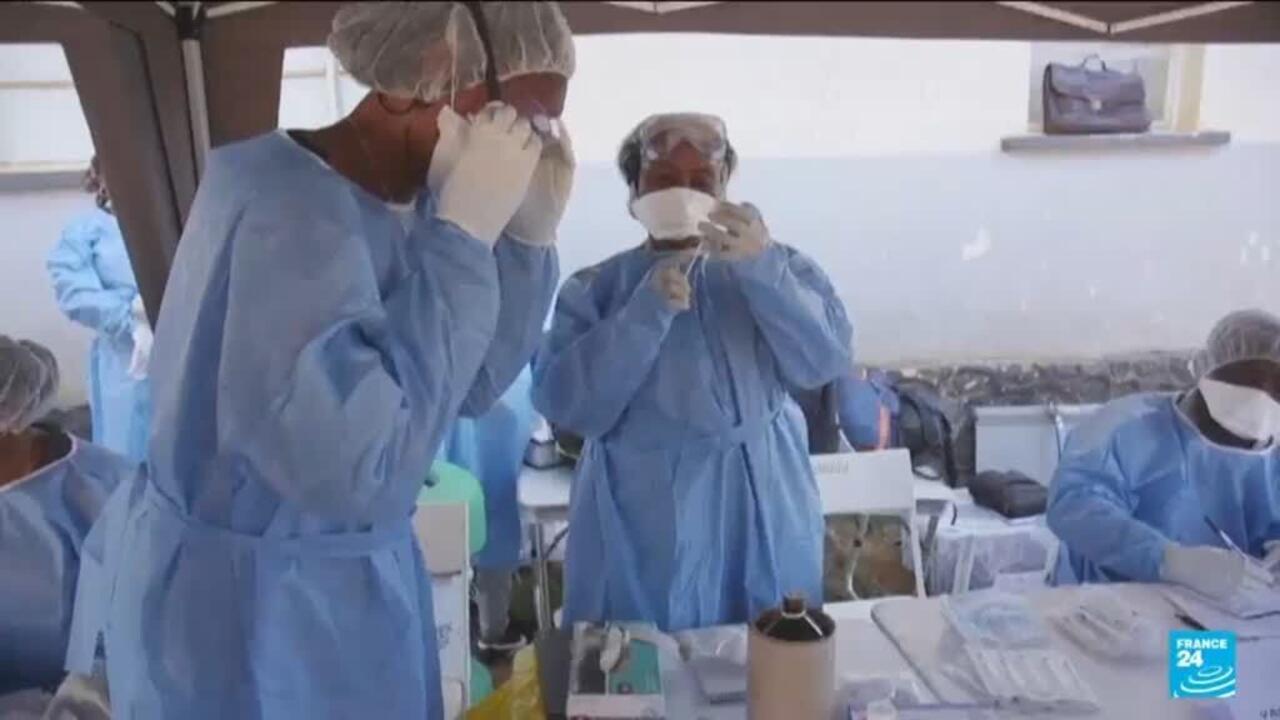
The World Health Organization has declared the Ebola outbreak in the Democratic Republic of Congo and neighbouring Uganda a Public Health Emergency of International Concern. WHO Director-General Tedros Adhanom Ghebreyesus made the announcement on Sunday, following reports of more than 300 suspected cases and 88 deaths across the region.
In a statement posted on the social media platform X, the organisation clarified that the current outbreak does not meet the criteria for a pandemic emergency similar to the COVID-19 crisis. The agency explicitly advised against the closure of international borders, emphasising that such measures would not effectively contain the virus and could disrupt essential humanitarian and medical supply chains.
The declaration comes as the virus continues to spread across borders, with Ugandan officials confirming the death of a 59-year-old patient in the north-eastern town of Arua. The spread into Uganda marks a significant escalation in the crisis, prompting the WHO to invoke its highest level of alert to coordinate a global response.
Historical context from previous outbreaks in the region, such as the Bundibugyo strain in the DRC’s Ituri province, highlights the challenges faced during such emergencies. Past declarations have noted significant uncertainties regarding true infection rates and geographic spread, with previous strains sometimes lacking approved drugs or vaccines at the time of crisis.
To manage the current crisis, standard protocols include the establishment of emergency operation centres, the isolation of confirmed cases, and enhanced surveillance in bordering countries. The WHO has urged governments to implement strict infection-prevention measures and to ensure that confirmed cases are treated until they test negative on two virus-specific tests conducted at least 48 hours apart.
While the number of suspected cases stands at over 300, the WHO has cautioned that the exact number of infected persons may be higher due to difficulties in tracking the disease in remote areas. The agency continues to monitor the situation closely, with the full geographic spread of the virus remaining subject to ongoing assessment and potential revision.
The current outbreak involves the Ebola virus, though the specific strain has not been explicitly named in the latest report. This distinguishes it from previous emergencies, such as the Bundibugyo strain, which presented unique challenges due to the lack of immediate therapeutic options. The WHO remains focused on supporting national health authorities in the DRC and Uganda to contain the spread and protect vulnerable populations.