WHO declares Ebola outbreak in DRC and Uganda a global emergency
The World Health Organization has invoked its highest alert level for the Public Health Emergency of International Concern, citing 88 deaths and 336 suspected cases in the Democratic Republic of the Congo and Uganda.
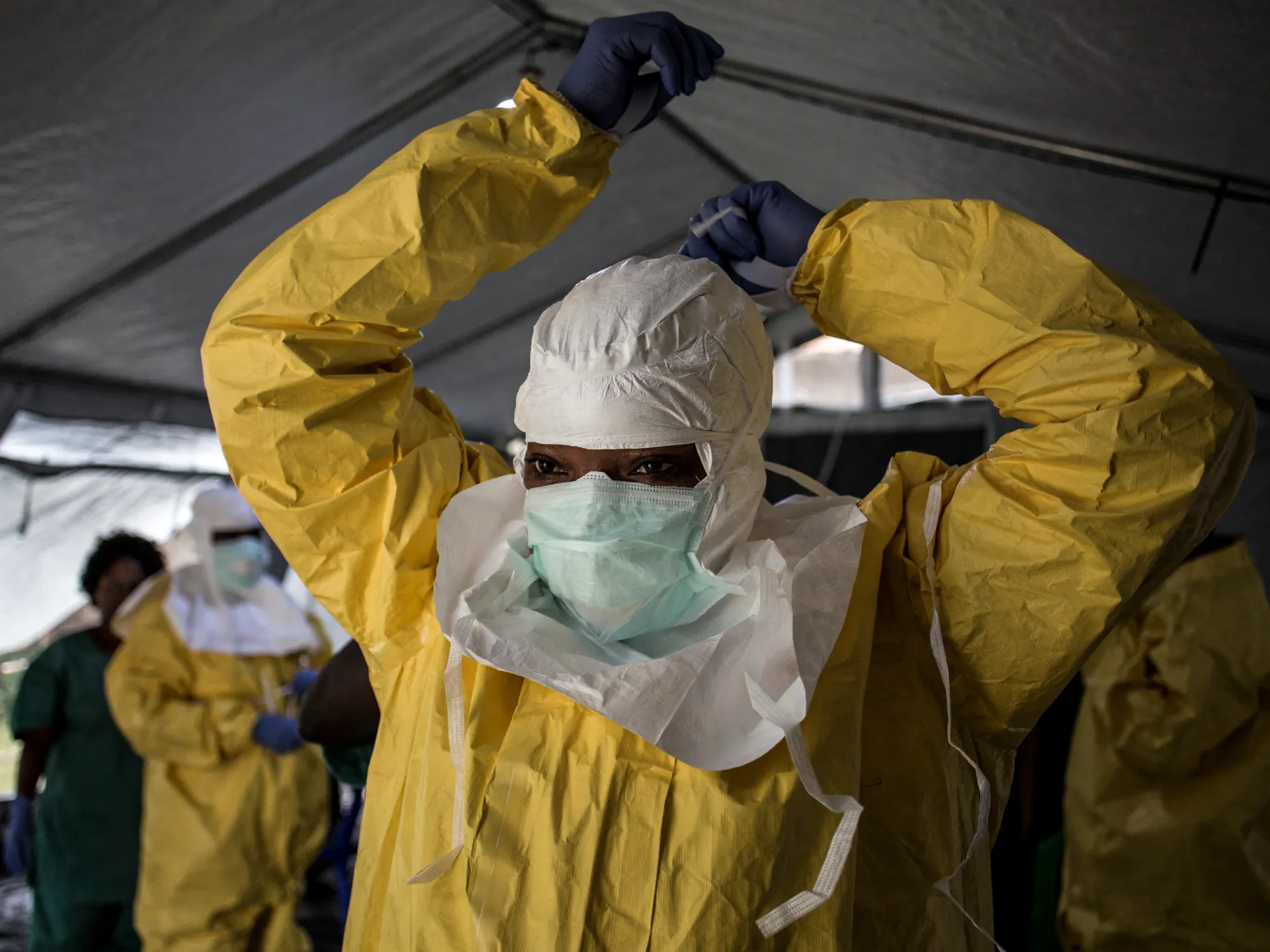
The World Health Organization has declared the Ebola outbreak in the Democratic Republic of the Congo and Uganda a public health emergency of international concern, marking a significant escalation in the crisis. The declaration, made by Director-General Tedros Adhanom Ghebreyesus on Sunday, follows reports of the virus spreading from the eastern DRC into neighbouring Uganda and reaching the Congolese capital, Kinshasa.
The outbreak is driven by the rare Bundibugyo strain of Ebola, first identified in Uganda in 2007. According to DRC Health Minister Samuel-Roger Kamba, this variant carries a lethality rate of up to 50 per cent and currently has no approved vaccine or specific treatment. As of Saturday, the Africa Centres for Disease Control and Prevention reported 336 suspected cases and 88 deaths, with the index case identified as a nurse presenting with symptoms in Bunia, Ituri province, on 24 April.
Containment efforts are being severely complicated by ongoing armed conflict and weak healthcare infrastructure in Ituri province. The region is plagued by violence from groups including the Allied Democratic Forces, which has pledged allegiance to ISIL, and the Rwanda-backed March 23 Movement. An attack by rebels this month killed at least 69 people, further disrupting access to healthcare and facilitating population movements that aid the virus’s spread.
Uganda has confirmed two laboratory-confirmed cases linked to travellers from the DRC, including one fatality in the capital, Kampala. Trish Newport of Doctors Without Borders warned that the combination of high case numbers, cross-border spread, and ongoing insecurity in Ituri creates a high-risk environment. She emphasised that rapid action is critical to prevent further escalation in areas where many already struggle to access medical care.
The WHO advised against closing borders or restricting trade, noting that such measures could encourage unmonitored informal crossings and undermine containment. Instead, the agency urged neighbouring countries to strengthen cross-border screening, activate emergency-management systems, and isolate confirmed cases. The WHO also recommended daily monitoring of contacts and advised exposed individuals to avoid international travel for 21 days.
While the situation is described as extremely concerning, the WHO stated it does not currently meet the criteria for a pandemic declaration. The agency highlighted significant uncertainties regarding the true number of infected persons and epidemiological links. The DRC has experienced at least 17 Ebola outbreaks since 1976, with the deadliest occurring between 2018 and 2020, killing nearly 2,300 people.