WHO declares Ebola emergency in Congo and Uganda as risk assessment shifts
The World Health Organization has classified the outbreak in the Democratic Republic of Congo and Uganda as a public health emergency of international concern, citing high national and regional risks despite a low global threat level.
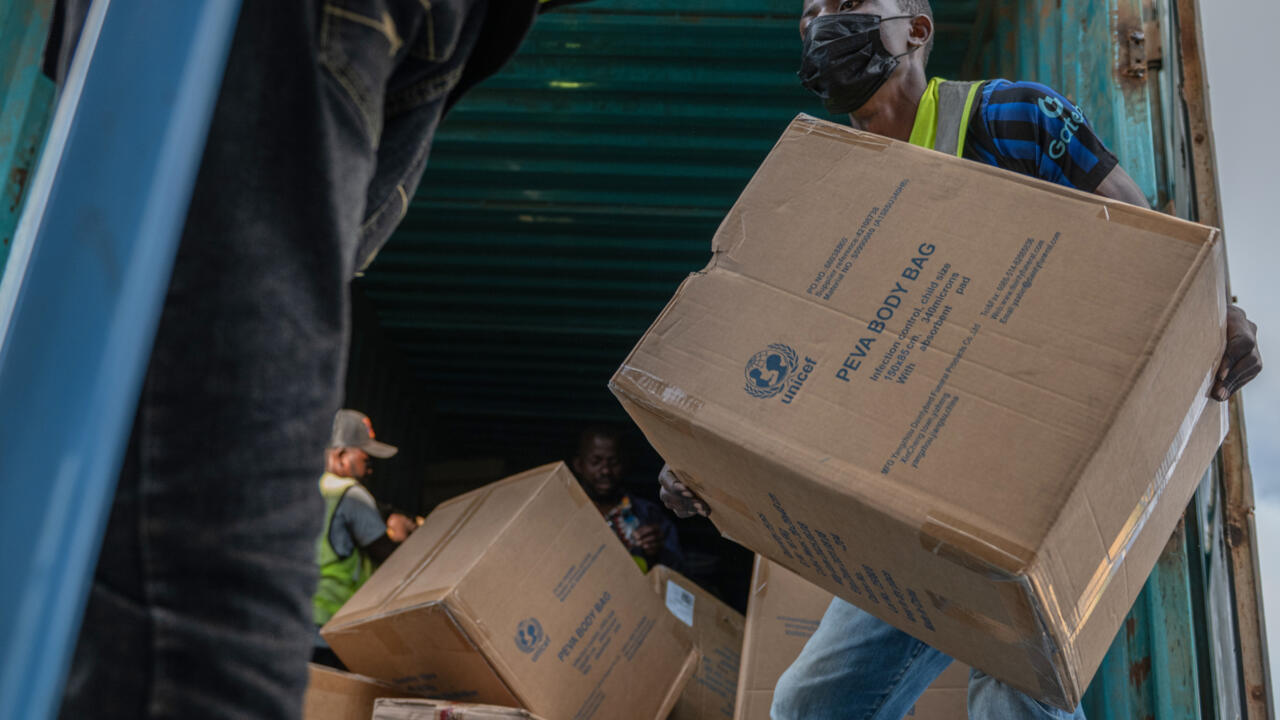
The World Health Organization has declared the Ebola outbreak in the Democratic Republic of Congo and Uganda a public health emergency of international concern, a designation that underscores the severity of the crisis at national and regional levels while maintaining that the global risk remains low. WHO Director-General Tedros Adhanom Ghebreyesus announced the emergency status over the weekend, marking the first time a WHO chief has taken this step without prior consultation with experts, citing the urgency of the situation.
The declaration follows a meeting of the WHO Emergency Committee in Geneva on Tuesday, which formally confirmed the status of the outbreak driven by the rare Bundibugyo strain of the virus. Tedros noted that while 51 confirmed cases have been identified in the DRC, primarily in the northern provinces of Ituri and North Kivu, and two confirmed cases in Uganda’s capital of Kampala, the true scale of the epidemic is likely much larger. He warned that numbers are expected to increase, with nearly 600 suspected cases in the DRC and 139 suspected cases in Uganda.
Health experts and aid workers report that the virus spread undetected for weeks following the first known death. Initial testing by authorities focused on more common Ebola strains and returned negative results, delaying the recognition of the Bundibugyo variant. The WHO expressed concern over the "scale and speed" of the outbreak in eastern Congo, highlighting the challenges in containment given the lack of approved medicines or vaccines for this specific strain.
In response to the outbreak, the DRC is expecting shipments from the US and Britain of an experimental Ebola vaccine developed by researchers at Oxford University. Jean-Jacques Muyembe, a virus expert at the National Institute of Biomedical Research, stated that the experimental vaccine would be administered to monitor who develops the disease, although experts caution that such efforts will take time to yield results. The virus is transmitted via bodily fluids such as vomit, blood, or semen and causes severe, often fatal symptoms including fever, headache, muscle pain, weakness, diarrhoea, vomiting, and unexplained bleeding or bruising.
The current crisis echoes past outbreaks, including one more than a decade ago that killed more than 11,000 people, with many infections occurring during funeral practices involving washing bodies. The WHO’s decision to elevate the alert level reflects the institutional need for coordinated international response mechanisms, even as the immediate threat to global health security is assessed as contained within the affected regions.