WHO declares Ebola emergency as DRC and Uganda outbreak outpaces response
The World Health Organization has escalated the crisis to a global emergency level, citing detection delays and community hostility in the conflict-hit Ituri province.
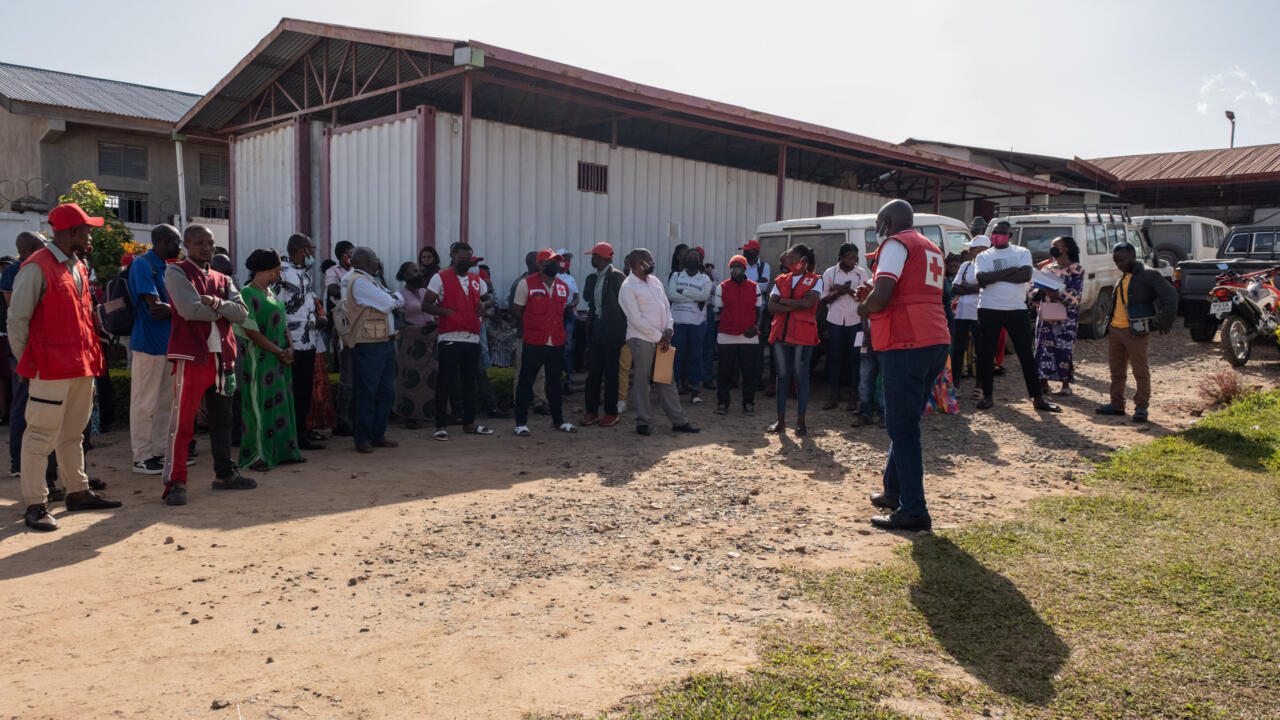
The World Health Organization has declared the outbreak of the rare Bundibugyo strain of Ebola a Public Health Emergency of International Concern, marking the third-largest epidemic of the virus on record. The declaration follows a rapid escalation in the Democratic Republic of Congo and neighbouring Uganda, with the agency reporting at least 220 suspected deaths. WHO Director-General Tedros Adhanom Ghebreyesus warned that responders are "playing catch-up" due to significant delays in detection and the spread of misinformation within affected communities.
The epicentre of the crisis is Mongbwalu, a gold-mining town in the unstable Ituri province of the DRC, where the first cases were detected on 15 May. The virus has spread rapidly through the conflict-hit region, complicating containment efforts. In addition to the toll in the DRC, Uganda has reported seven confirmed cases after two additional infections were identified on Monday. The WHO has assessed the risk to other bordering countries as high, urging immediate action to prevent further cross-border transmission.
Containment operations are being severely hampered by violence against healthcare infrastructure. At least three attacks on medical facilities have occurred in Ituri province, including two incidents at the weekend targeting the same hospital. These attacks resulted in more than two dozen patients fleeing the premises. Dr Richard Lokodu, medical director of the Mongbwalu General Referral Hospital, stated that perpetrators were driven by anger over burial restrictions and a denial of the disease, with some community members convinced the outbreak was a hoax.
The hostility towards health workers echoes the violence seen during the 2018-2020 outbreak in eastern DRC, which resulted in the deaths of more than 25 health workers. Current responders are grappling not only with the virus but also with shortages of basic supplies and a population distrustful of state institutions. Hastily arranged burials of Ebola victims have further fuelled suspicion, with some locals attempting to claim the bodies of suspected or confirmed cases.
In response to the deteriorating situation, the WHO has scheduled a visit by Director-General Tedros Adhanom Ghebreyesus and Chikwe Ihekweazu, a senior official responsible for health emergencies, to the DRC on Tuesday. Addressing an online meeting of the African Union, Tedros emphasised that the epidemic was likely to worsen before it improved, given the current trajectory of the outbreak and the challenges faced by frontline workers.