WHO declares Ebola crisis in DR Congo a global health emergency amid funding retreat
The World Health Organization has upgraded the status of the outbreak in eastern Democratic Republic of Congo, citing rising deaths and contact cases against a backdrop of declining G7 science budgets and US withdrawal from the UN health body.
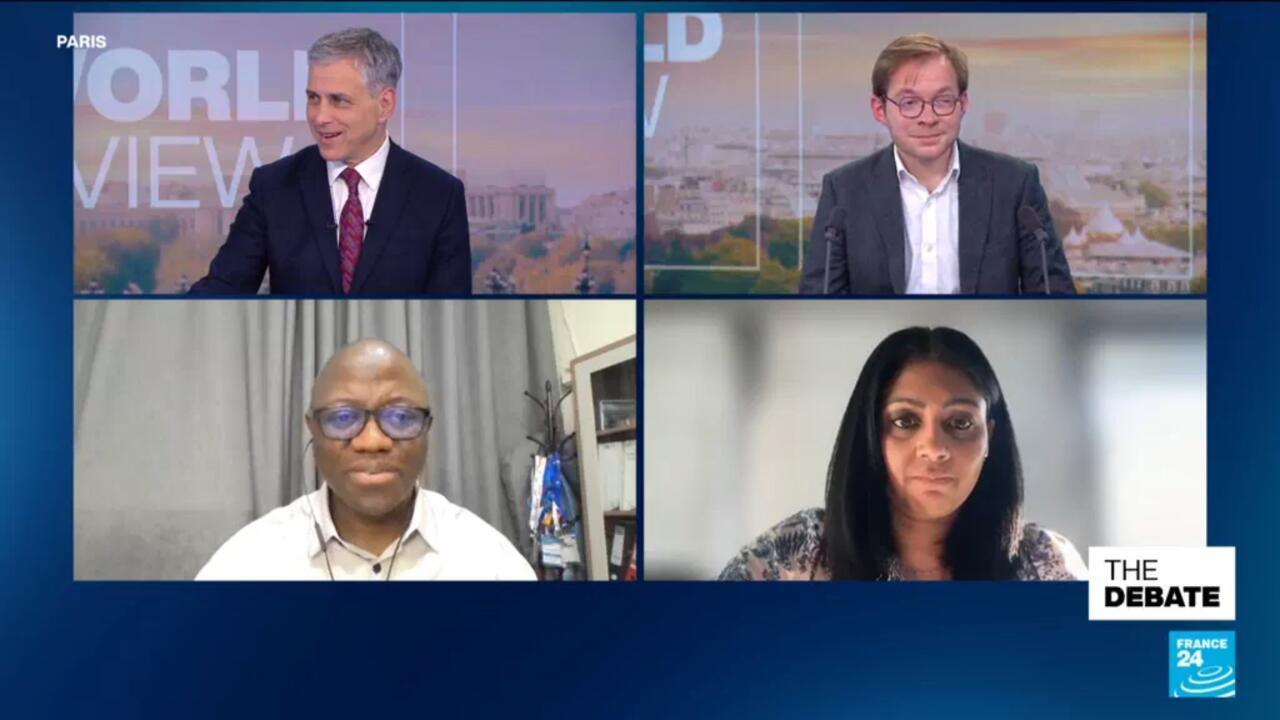
The World Health Organization has officially declared the Ebola outbreak in the eastern Democratic Republic of Congo a public health emergency of international concern. The designation, issued on 21 May 2026, follows a rising death toll from a rare strain of the virus and an increasing number of contact cases within Ituri province.
The declaration comes as Médecins Sans Frontières health workers have warned that the situation could constitute a "very bad outbreak." The crisis is centred in Ituri province, with the gold-mining town of Mongwalu reporting the majority of cases. This follows an earlier PHEIC declared by the WHO on 24 April 2026, which involved the Bundibugyo species across the DRC and Uganda.
The current emergency unfolds against a deteriorating geopolitical landscape for global health governance. The report highlights significant structural challenges, including declining public aid and science budgets among G7 nations. Furthermore, the United States has withdrawn from the UN health body, complicating international coordination and funding mechanisms for the response.
Compounding these financial and diplomatic strains is a growing backlash against cross-border cooperation and science itself. Despite the lessons of previous pandemics, there is noted vaccine scepticism and resistance to globalised health measures. This environment poses a direct challenge to the WHO’s ability to mobilise an effective containment strategy in a region where the virus is actively spreading.
While the WHO assessed the global risk of the outbreak as low during its previous declaration in April, the national and regional risks remain high. The combination of a rare strain, rising case numbers, and a fragmented international support system underscores the difficulty of managing pandemics in an era of retreating multilateralism and domestic austerity.