WHO chief urges Uganda to lift blanket Ebola border closures
The World Health Organization director-general visited Uganda on Monday, praising its border response to the Bundibugyo virus while calling for a review of travel bans that he argues hinder effective containment.
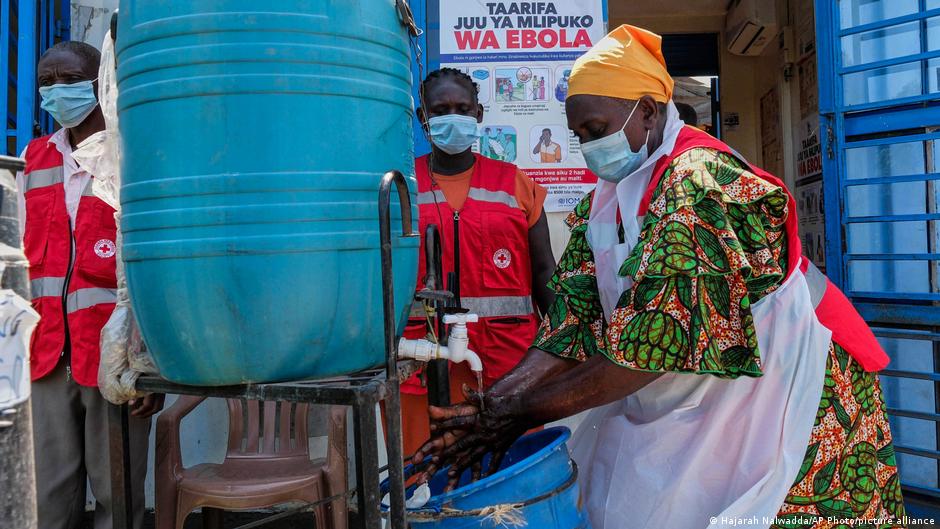
World Health Organization director-general Tedros Adhanom Ghebreyesus visited Uganda on Monday to assess the nation’s response to the Ebola outbreak originating in the Democratic Republic of Congo’s Ituri province. While commending Kampala’s border screening measures, Tedros urged authorities to reconsider their blanket closure of the border with the DRC, stating that such restrictions are ineffective for containing the virus.
Uganda has recorded 19 confirmed Ebola cases, with 14 involving individuals who entered from the DRC and five being Ugandan nationals. Two patients have died. Tedros noted that screening at the border successfully detected cases arriving from the neighbouring country, highlighting that Uganda’s surveillance, testing, and case management systems are functioning effectively.
The current outbreak, which involves the Bundibugyo species of ebolavirus, has resulted in 544 confirmed cases and 88 deaths globally, according to the Africa Centres for Disease Control (Africa CDC). Of these, 515 cases are located in the DRC’s Ituri province. The virus has a fatality rate of less than 20% among confirmed cases, which is lower than other strains that often exceed 50%, though there is currently no recognised vaccine for this specific species.
Dr Diana Atwine, a permanent secretary at Uganda’s Ministry of Health, stated that the WHO chief was in the country to assess readiness and support efforts to strengthen cross-border coordination. She emphasised the goal of preventing further exportation of cases from Congo and bringing the outbreak to an end. The WHO and Africa CDC have launched a $518-million plan to combat the outbreak over the next six months.
In a separate development, a US doctor and his family were discharged from Berlin’s Charité Hospital after being treated for Ebola contracted in the DRC. The doctor, who was admitted on May 20, has shown no virus since May 30. His five family members, classified as high-risk contacts, were quarantined but showed no signs of infection.