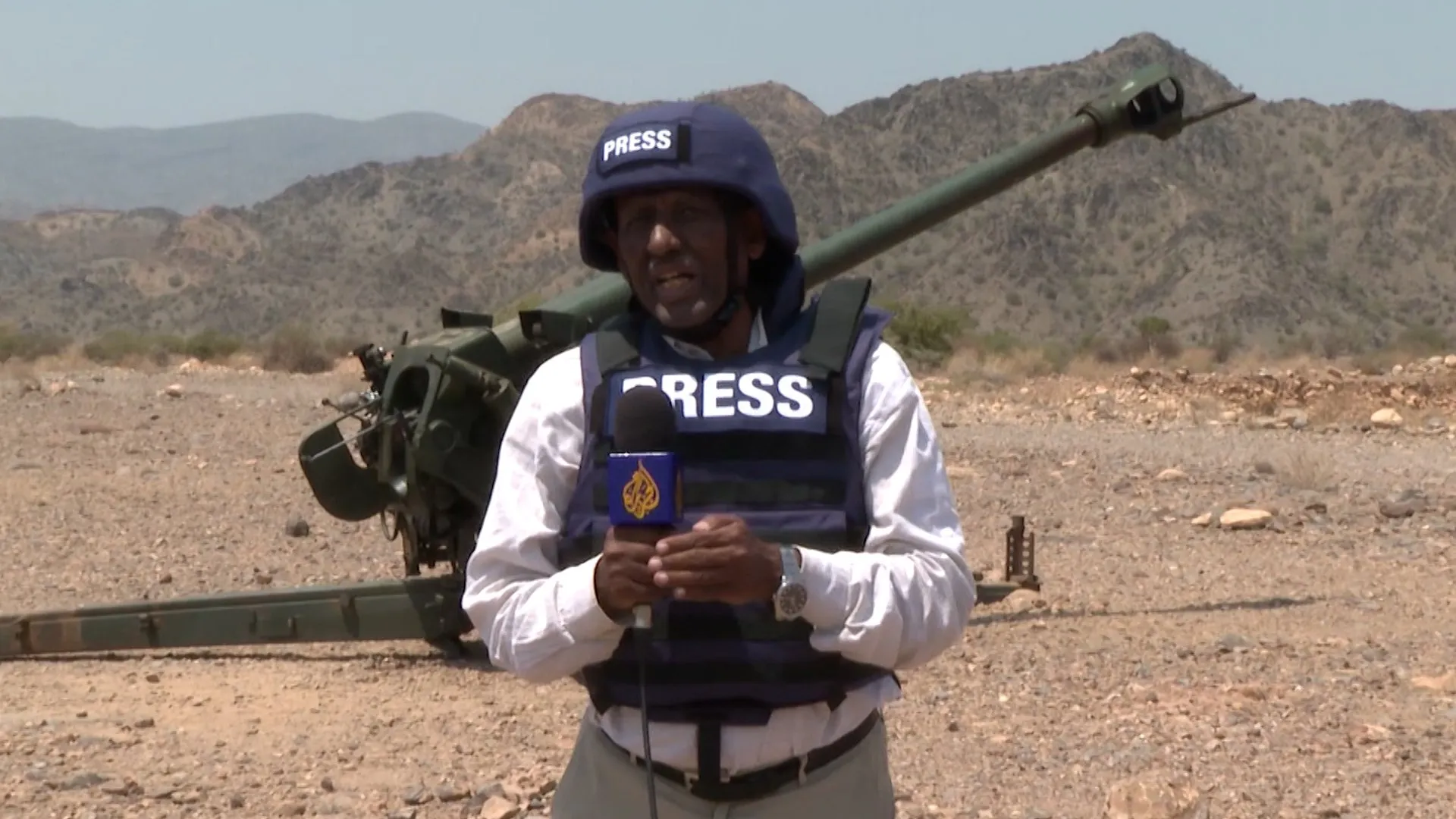
WHO chief urges international support as Ebola crisis deepens in DRC
The World Health Organization has called for increased global assistance as its chief visits the Democratic Republic of Congo, where the Ebola crisis continues to impact Ituri and North Kivu provinces.
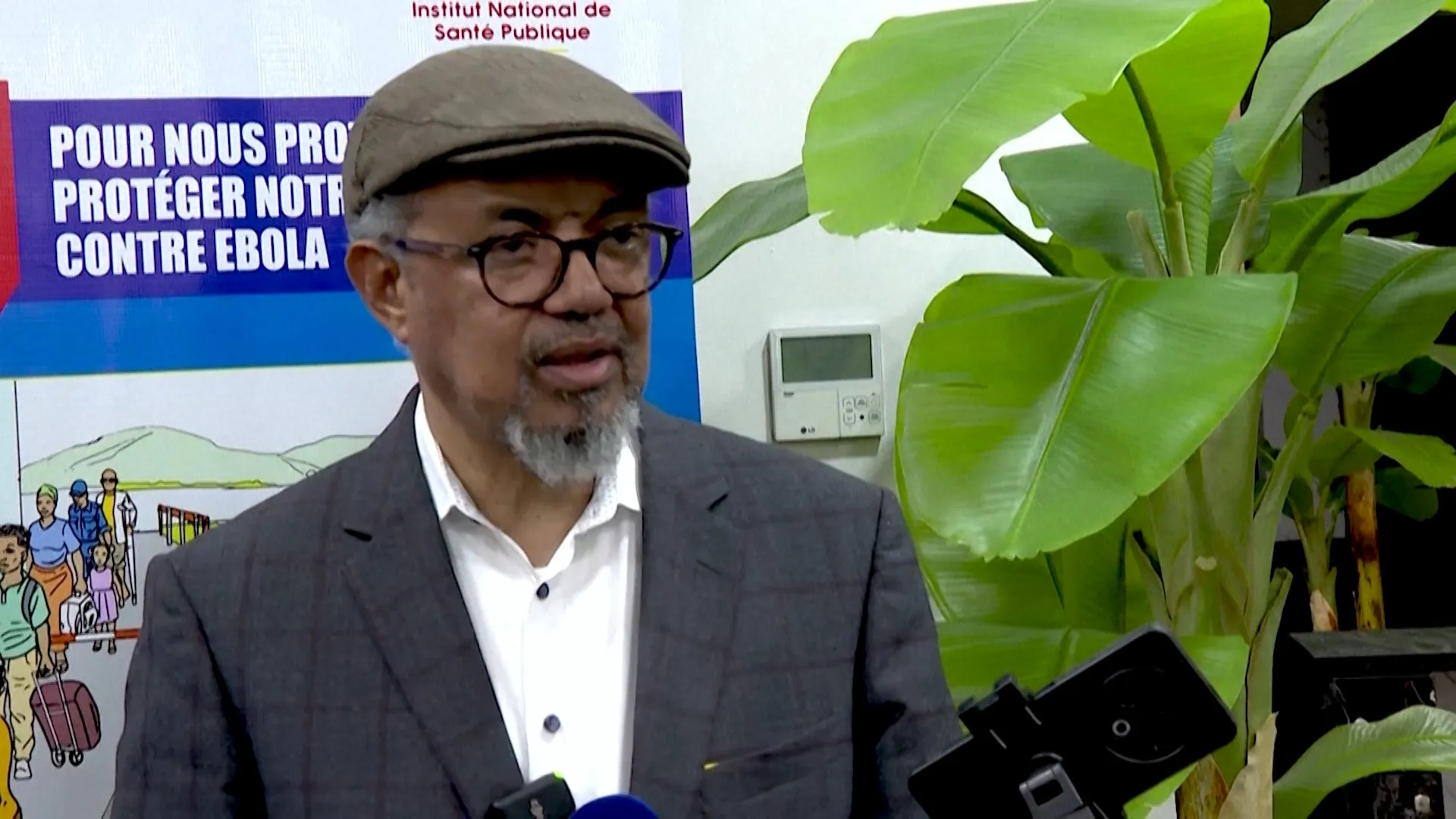
The World Health Organization chief has visited the Democratic Republic of Congo to address the ongoing Ebola crisis, using the opportunity to urge the international community to increase support for containment efforts. The visit underscores the institutional priority placed on managing the outbreak in the region, where the Bundibugyo species of Ebola has caused significant disruption.
The Director-General’s presence in the country coincides with heightened scrutiny of the health response in Ituri and North Kivu provinces. While the specific nature of the support being requested was not detailed in initial reports, the call for increased international assistance highlights the logistical and operational challenges faced by local health authorities in containing the virus.
This development follows the World Health Organization’s declaration of the outbreak in the DRC and Uganda as a Public Health Emergency of International Concern. The classification signals a coordinated global response mechanism, although the agency has assessed the risk to the wider international community as low.
Historical data from the World Health Organization indicates that the outbreak has resulted in 600 suspected cases and 139 suspected deaths across the DRC and Uganda. Of these, 51 cases have been confirmed in the DRC, with two confirmed cases reported in Uganda. These figures provide context to the scale of the emergency, though the current status of the outbreak at the time of the visit remains subject to ongoing monitoring.
The World Health Organization continues to coordinate with national health authorities to manage the spread of the virus. The agency’s focus remains on strengthening local containment capabilities while maintaining a low global risk assessment, balancing immediate regional needs with broader international health security protocols.