WHO chief urges community ownership and funding as Ebola crisis deepens in DR Congo
With over 1,000 suspected cases and rising cross-border transmission, the World Health Organization calls for urgent financial support and local engagement to contain the Bundibugyo strain.
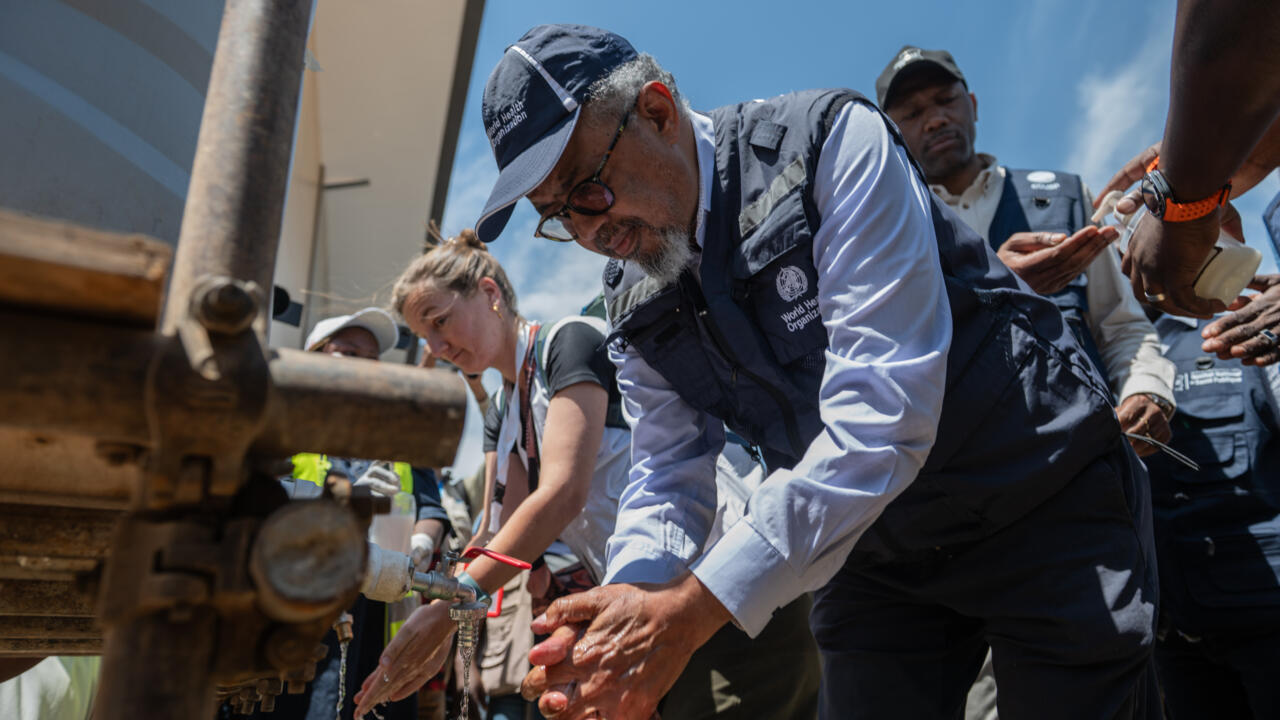
The World Health Organization has declared the Ebola outbreak in the Democratic Republic of Congo and Uganda a Public Health Emergency of International Concern, citing high national and regional risks. WHO Director-General Tedros Adhanom Ghebreyesus travelled to Bunia, the capital of Ituri Province, on Saturday to assess the response and demonstrate support for residents in the epicentre of the crisis.
Since the outbreak was officially declared on 15 May, there have been at least 1,077 suspected cases and 246 deaths in the DRC, according to the Africa Centres for Disease Control and Prevention. The virus, caused by the Bundibugyo strain, has already spread to three eastern provinces in the DRC and into neighbouring Uganda, where nine confirmed infections and one death have been reported.
Tedros called for increased international financial support to assist the DRC government, which faces limited laboratory capacity to confirm cases in the vast, impoverished nation. He emphasised that "community ownership" was equally critical to overcoming mistrust and misinformation, stating that the issue was "in our hands" with the right combination of local engagement and international aid.
The situation is complicated by decades of conflict in the mineral-rich east, where armed groups and militias hinder access to affected areas. Nearly a million people are displaced in Ituri Province alone, living in camps with poor hygiene conditions. Health officials warn that the prospect of the epidemic spreading through these densely populated camps has sparked alarm among residents.
While no specific vaccine or treatment currently exists for the Bundibugyo strain, WHO experts identified several potential vaccines as "promising enough" to warrant evaluation in clinical trials. The Africa CDC stated that a vaccine could be ready by the end of the year. In the interim, the WHO prioritised established response tools, including surveillance, contact tracing, and safe burials, noting that the outbreak has recorded more cases in its initial days than any previous Ebola epidemic.